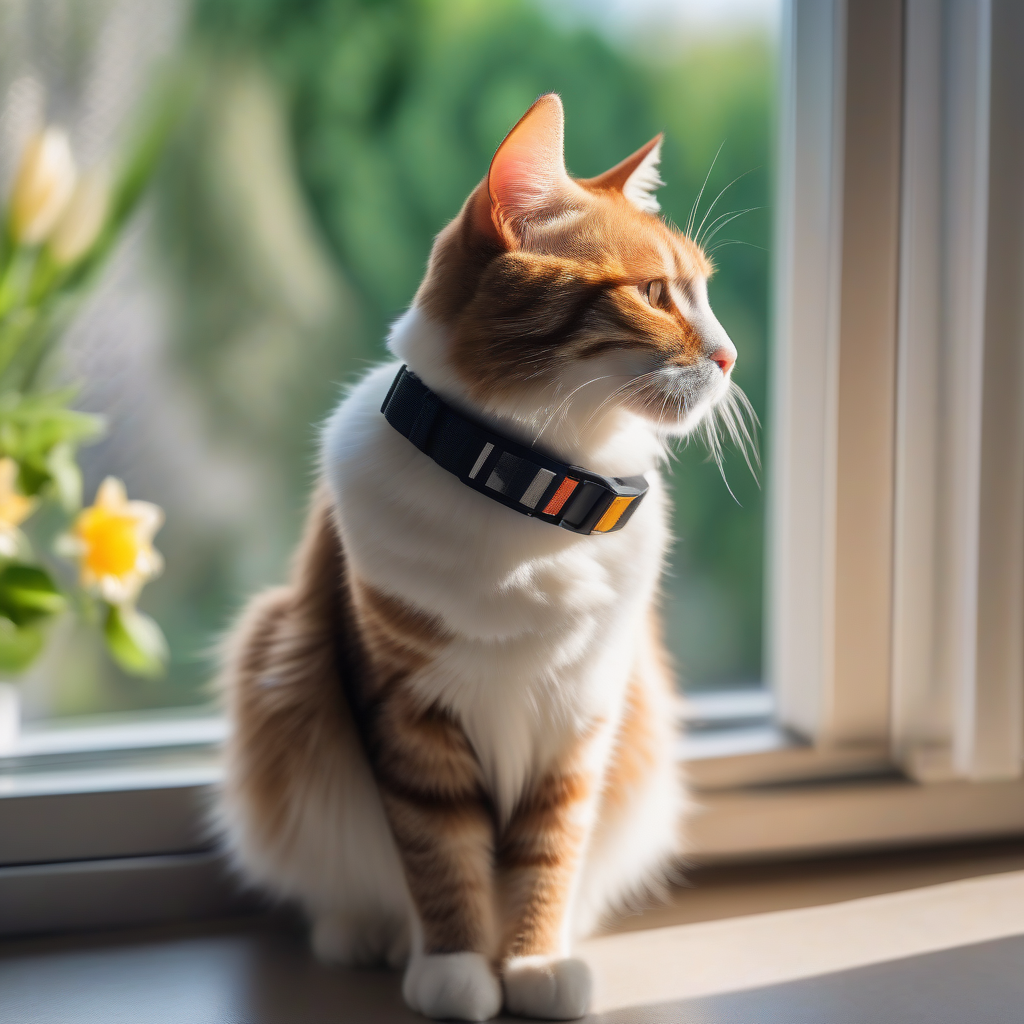
March 2026's Viral Safety Trend: Shield Your Cat Against Getting Lost! A Spring Guide with Smart Tech and Preventive Steps
With March 2026, the energy of spring begins to envelop all living beings. The appearance of the sun, bird songs, and blooming flowers amplify our cats' desire to explore the outside world. However, this increased curiosity also brings certain risks: the possibility of cats getting lost. Fortunately, the year 2026 has brought groundbreaking developments in pet technologies and safety measures. We now have more smart and effective tools than ever before to protect our furry companions. In this article, we will thoroughly discuss March 2026's most viral safety trends and how you can shield your cat against getting lost.
Why It's More Important Now: March 2026 and Spring Season Risks
Spring is an invitation to freedom for cats. Open windows, doors, and more time spent outdoors increase the risk of escape from home. Especially in male cats, the mating season, and in female cats, the instinct to explore new areas and curiosity peak in spring. In March 2026, this situation, combined with increasing urbanization and changing living spaces, further raises the likelihood of our cats getting lost. However, the pet industry has been quick to offer proactive solutions to these risks.
Shield 1: Latest Developments in Microchip Technology (March 2026 Special)
A microchip has been a standard method for identifying pets for many years. But as of March 2026, microchip technology has also evolved. It no longer just carries an identification number; some 'viral' next-generation chips offer faster scanning, wider coverage, and even direct integration with specific veterinary systems.
- Enhanced Data Integrity: New chips can work in sync with cloud-based systems to keep owner contact information and veterinary records more secure and up-to-date.
- Importance of Registration and Updates: It's not enough just to implant a microchip; make sure your information is always current. In cases like a change of address or phone number, you must immediately update your registered information.
Remember, a microchip is a passive safety tool, but it is one of the most reliable ways to ensure you can be contacted if your cat is found.
Shield 2: Smart Collars and GPS Tracking Devices (Viral Trends)
One of 2026's most notable and 'viral' safety trends is smart collars and GPS tracking devices. These devices allow you to track your cat's location in real-time, offering unparalleled peace of mind.
- Real-Time Tracking: Thanks to GPS integration, you can see your cat's exact location via an app on your phone. Some models even record the routes your cat has taken.
- Geofencing: You can define a safe area and receive instant notifications if your cat goes outside this boundary. This is great for cats that go outdoors but need to stay within a certain area.
- Battery Life and Design: As of March 2026, these devices are manufactured to be lighter, more durable, and have longer battery life. Ergonomic designs that do not compromise your cat's comfort are paramount.
- Beyond Smart Collars: What Can We Expect? Some developing smart collars are starting to provide information about your cat's general well-being by tracking health data such as heart rate and activity levels. This offers a significant advantage for overall health monitoring, in addition to reducing the risk of getting lost.
Shield 3: Preventive Steps at Home and Outdoors (7 Smart Strategies)
Technology is a wonderful aid, but the best safety is achieved through proactive measures. Here are 7 smart strategies to protect your cat from getting lost:
1. Secure Garden/Balcony Arrangement: Windows and balcony doors are opened more frequently in spring. Create safe areas using special cat nets or enclosures for your cat. A secure fencing system can allow them to roam freely in your garden. 2. ID Tag with Updated Contact Information: In addition to a microchip, always keep an ID tag with your current phone number on the collar. This is vital for quick contact. 3. Door Dashing Training: Use positive reinforcement (treats, play) to teach your cat to stay away when doors open. This is the first step in creating a 'paw-sitive door protocol'. 4. Power of Social Media and Local Groups: If your cat goes missing, quickly post an announcement through local animal lover groups, Facebook groups, and lost/found pet platforms. In March 2026, these platforms play an even more effective role in finding lost pets. 5. Maintain Routine: Cats love routine. Sudden changes in meal times, play times, and sleep patterns can lead to stress and increase the desire to wander away from home. Observe your cat's stress levels during spring cleaning or home renovations. 6. Outings in Familiar Areas: If you take your cat outside, start with short, supervised outings in familiar, safe areas. The adaptation process to a new environment is important. 7. Emergency Plan: Inform your neighbors about your cat's outdoor habits and give them your contact number. Always keep your vet's emergency number handy.
Quick Tips for Finding a Lost Cat
Even with all precautions, there's always a chance your cat could go missing. In such a situation, acting quickly and correctly is crucial:
- Stay Calm and Act Fast: The first 24-48 hours are critical. Start searching the area immediately.
- Call Your Cat and Make Familiar Sounds: Call your cat by name, make the sound of their food bowl, or their favorite toy.
- Leave Familiar Scents: Place your cat's bed, litter box (uncleaned), or a favorite blanket near the house, outside the door. Their scent can draw them home.
- Talk to Neighbors and Put Up Flyers: Knock on every door in your area. Flyers should have a clear photo, distinctive features of your cat, and your contact information.
With these advanced safety trends and proactive steps in March 2026, you can ensure your cat enjoys its spring adventures safely. Remember, a safe cat is a happy cat!