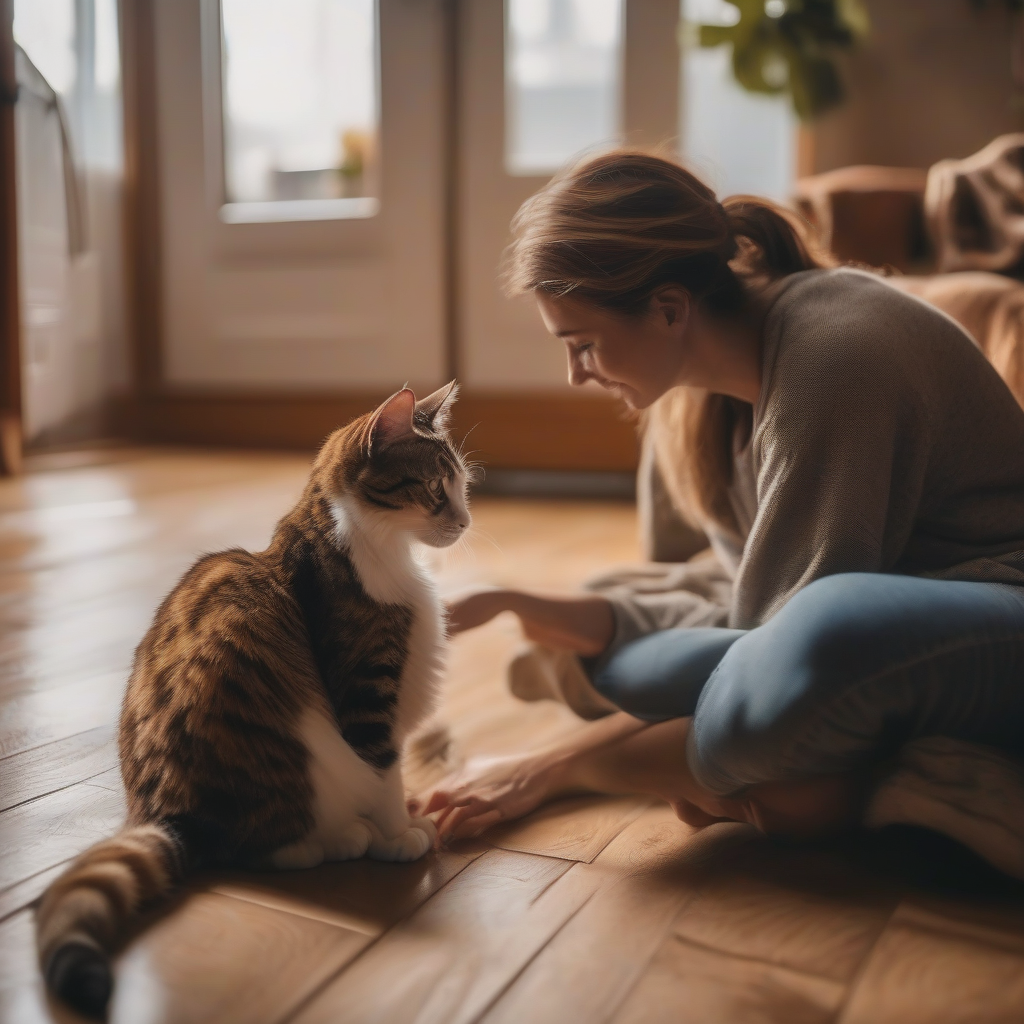
March 2026's Viral Heartwarmer: Give Your Cat a Second Chance! 7 Smart Ways to Bring a Homeless Feline Friend into Your Home!
March 2026, with the freshness of spring, is a period where new beginnings and heartwarming stories blossom. One of this year's most meaningful and heartwarming viral trends is giving a second chance to furry friends in need of a home! While social media platforms are overflowing with #RescueCatJourney and #AdoptDontShop hashtags, many people are experiencing the excitement of adding a new feline companion to their lives. So, are you ready to join this movement and change a cat's life forever? Here are 7 smart ways to make the process of bringing a homeless cat into your home easier!
Introduction: Why Should You Adopt a Cat in March 2026? (The Viral Heartwarmer Trend)
Every year, thousands of cats struggle for survival in shelters or on the streets, longing for a warm home. Adoption not only saves an animal's life but also brings indescribable joy and love into your home. The viral adoption trend we're observing in March 2026 is an indicator of increased human sensitivity towards animals and the importance of conscious adoption. Being part of this movement offers a unique experience that touches both your life and the life of the cat you adopt.
Love from Shelters: A Second Chance for Every Cat
Shelter cats, though often having experienced traumatic events or abandonment, possess an incredible ability to adapt and give love. Providing them with a home is not just a physical refuge but also initiates a process of emotional healing. These cats show their gratitude and affection through a lifelong bond.
The Social Media Impact of Adoption: The #RescueCatJourney Trend
In today's digital age, adoption stories quickly spread on social media. People share the transformations, adaptation processes, and fun moments of the cats they've rescued, inspiring others. This trend guides potential adopters and also draws attention to shelters, helping more cats find warm homes.
Step 1: Finding the Right Furry Friend (Compatibility of Character and Lifestyle)
Adopting a cat is a long-term commitment. Therefore, finding a cat that matches your lifestyle and personality is critically important. Are you looking for a calm, playful, solitary, or social cat? The answers to these questions will help you find the right match.
Online Platforms and Shelter Visits
Many local animal shelters and animal rescue organizations display adoptable cats on online platforms. You can learn about their stories, ages, and temperaments. However, the best way is to visit the shelters and meet the cats in person. This allows you to see how the cat reacts to you.
Understanding Their Past: The Cat's Story
Learning about the past of the cat you're considering adopting helps you understand their behaviors and needs. Shelter staff or temporary caregivers can provide valuable insights into the cat's personality and previous experiences.
Step 2: Preparing Your Home for the New Resident (A Safe and Comfortable Space)
Preparing your home before your new cat arrives will speed up the adaptation process. Creating an environment where the cat feels safe and comfortable is crucial.
Essential Supplies: Food, Water Bowl, Litter Box, and Bed
Obtain basic necessities beforehand: quality cat food, a water bowl where you'll always keep clean water, an easily accessible and cleanable litter box, and a comfortable bed or sleeping area. Remember, cats love to have their own space.
Eliminating Hazards: A Cat-Safe Home Environment
Remove poisonous plants, small swallowable items, exposed electrical cords, and fragile objects that might fall to places inaccessible to the cat. Ensure that windows and balcony doors are safe for your cat.
Step 3: The First Encounter and Adaptation Process (Approach with Patience and Love)
Your cat might be shy or scared when they first arrive. This is normal. Be patient and give them time to adjust to the environment at their own pace.
Allowing the Cat to Acclimate at Their Own Pace
When your cat arrives home, instead of immediately letting them roam the entire house, keep them in a quiet room (like a bathroom or guest room) initially. This gives them a chance to slowly adapt to their new surroundings. Gradually allow them to explore other rooms.
Creating Hiding Places
Cats need hiding places to feel secure. Cardboard boxes, scratching posts, or special cat houses can fulfill this need. Offer them multiple options where they can feel safe.
Step 4: Veterinary Check-up and Health Care (Foundations for a New Beginning)
Scheduling a vet visit within the first few days after adoption is vital for your cat's health.
Vaccinations, Parasite Control, and Microchip
Your vet will check your cat's overall health, complete necessary vaccinations, perform parasite control, and recommend microchipping if not already done. A microchip makes it easier to find your cat if they get lost.
Establishing a Feeding Plan
Talk to your vet to create a feeding plan suitable for your cat's age, activity level, and health condition. Avoid sudden food changes and transition slowly by gradually mixing the old food with the new.
Step 5: Socialization and Play (Keys to Bonding)
Play and interaction are among the best ways to build a strong bond with your cat.
Interactive Games and Toys
Cats have hunting instincts. Interactive toys like laser pointers, feather wands, or moving toys keep them mentally and physically active. Schedule a few short play sessions daily.
Introducing to Other Pets (If Any)
If you have other pets at home, introduce them slowly and controllably. Keep them separate at first, then allow scent exchange, and finally bring them together for supervised short meetings.
Step 6: Behavioral Support and Training (Positive Reinforcement Methods)
Cats are trainable creatures and can easily learn desired behaviors through positive reinforcement methods.
Litter Box Training and Scratching Needs
Keep the litter box clean and easily accessible. Cats naturally love to scratch on surfaces, so provide multiple scratching posts or boards to protect your furniture. You can use catnip to encourage your cat to use the scratching post.
Understanding and Redirecting Unwanted Behaviors
If your cat exhibits unwanted behaviors (e.g., scratching furniture, aggressive play), try to understand the underlying reason. It often stems from boredom, fear, or lack of attention. Never punish; instead, redirect by rewarding desired behaviors.
Step 7: Long-Term Happiness and Responsibility (A Lifelong Bond)
Adopting a cat is a lifelong responsibility and a source of happiness. The bond you form with your cat will enrich your life and offer unconditional love.
Regular Care and Affectionate Attention
Regular vet check-ups, a balanced diet, grooming, and plenty of love will ensure your cat lives a long and healthy life. The time and attention you dedicate to them will strengthen your bond.
Societal Benefits of Adoption
By adopting, you not only save a cat's life but also lighten the burden on animal shelters and raise societal awareness about animal welfare. This is March 2026's most meaningful viral trend.
Conclusion: Touching a Heart and Changing Lives
Joining March 2026's 'Viral Heartwarmer' trend by adopting a cat in need of a home can be one of the most beautiful decisions you make in your life. By following these 7 smart steps, both you and your new furry friend can have a happy, healthy, and loving start. Remember, adoption is a privilege, and every cat deserves a second chance. Touch a life this spring and rediscover the world through their eyes!