March 2026's Life-Saving Trend: 7 Smart Ways to Protect Your Cat's Kidney Health! A Long and Healthy Life Through Early Diagnosis and Preventive Steps
Our furry friends, cats, bring joy and unconditional love into our lives, and protecting their health is one of our greatest responsibilities. As of March 2026, pet health trends are focusing more than ever on proactive and preventive care. In this context, kidney diseases, which are common in cats and can seriously affect their quality of life, are becoming one of the most important topics on the agenda. As YuDo Pet, we share with you 7 smart methods you need to know to keep your cat's kidney health at its peak, and the invaluable secrets of early diagnosis.
Why is Kidney Health So Important in Cats?
Cats' kidneys are their body's filtration system. They clean the blood, excrete waste products through urine, regulate blood pressure, and produce certain hormones. Unfortunately, cats are quite prone to kidney diseases as they age or due to genetic predispositions. Chronic kidney disease (CKD) is often considered a "silent enemy" because its symptoms typically appear in advanced stages. However, thanks to the innovative approaches and conscious pet ownership brought by March 2026, it is possible to manage and even prevent this condition in its early stages.
7 Smart Methods to Protect Your Furry Friend's Kidneys
There are proactive steps you can take to support your cat's kidney health and minimize potential problems:
1. Maximize Water Intake: The Vital Importance of Hydration
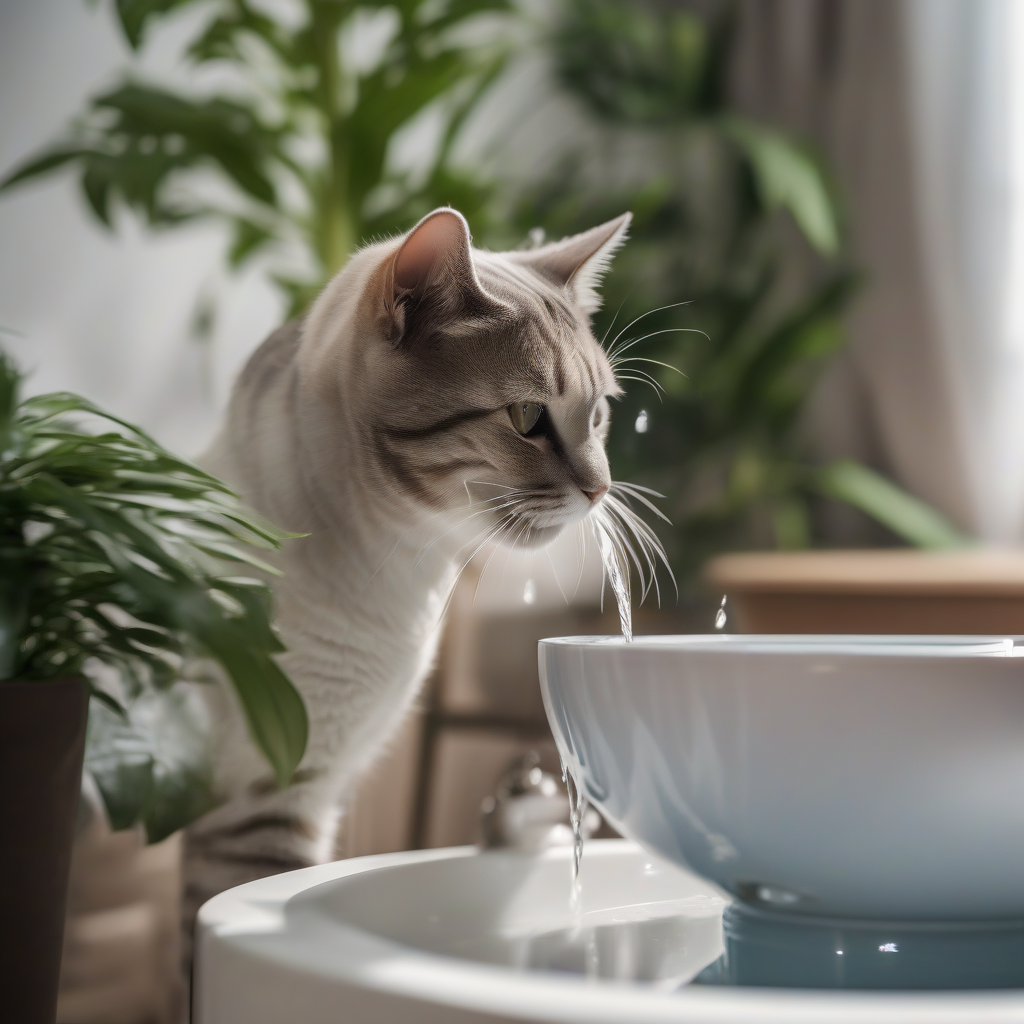
Adequate hydration is essential for kidneys to function properly. Cats are not naturally inclined to drink a lot of water. Therefore, encouraging them to drink more is critically important. Methods such as "smart water fountains," filtered water, and offering water in different bowls, which are among March 2026 trends, are very effective. Canned or wet food consumption is also a natural way to increase your cat's water intake. Ensure your cat drinks more fluids by placing water bowls in different parts of the house and always offering clean, fresh water.
2. Embrace Kidney-Friendly Nutrition: Quality Food Choices
The food your cat consumes plays a key role in kidney health. High-quality, balanced protein diets and, especially for cats at risk or in the early stages of kidney disease, low-phosphorus foods should be preferred. Consult your veterinarian to create the best diet plan for your cat's age, health status, and lifestyle. Specially formulated kidney diets are designed to support kidney function and slow the progression of the disease.
3. Don't Skip Regular Vet Check-ups: The Key to Early Diagnosis
Annual veterinary check-ups are indispensable for monitoring your cat's overall health and detecting problems like kidney disease in their early stages. Especially in cats over 7 years old, blood and urine tests (including innovative biomarkers like the SDMA test) can reveal even the smallest changes in kidney function. Thanks to March 2026's digital health tracking systems, your vet can regularly monitor this data and easily spot early warning signs.
4. Recognize Early Symptoms: Use Your Power of Observation
Changes in your cat's behavior and habits can be the first signs of kidney problems. Be vigilant for symptoms such as increased water consumption, frequent urination, loss of appetite, weight loss, lethargy, bad breath, or vomiting. If you notice such changes, consult your veterinarian immediately. Knowing your cat's normal routine well will allow you to catch potential problems early.
5. Manage Stress and Provide a Calm Environment
Stress can negatively affect cats' overall health and indirectly put a strain on kidney function. It's important to ensure your cat's home environment is calm, safe, and predictable. Reduce stress levels by offering regular playtimes, scratching posts, high observation points, and peaceful sleeping areas. Advances in cat behavior science in March 2026 will help you better understand your cat's stress factors.
6. Be Careful with Medications and Supplements: Everything Must Be Vet-Approved
It is vital that all medications or supplements your cat uses are approved by a veterinarian and their dosage determined. Some medications or herbal supplements can have adverse effects on the kidneys. Your veterinarian will determine which ones are safe and beneficial according to your cat's specific health condition. Avoid giving any supplements or medications on your own.
7. Pay Attention to Environmental Control and Cleanliness
Keeping your cat's litter box always clean is important for monitoring urination habits and reducing the risk of infection. Also, make sure to avoid toxic substances in the home (plants, cleaning products, etc.), as these can harm the kidneys. A clean and safe living environment is one of the fundamental elements supporting kidney health.
Conclusion: Proactive Care is the Key to a Long and Healthy Life
Protecting your cat's kidney health is not just about treatment; it also requires taking proactive measures, making conscious choices, and regular veterinary follow-up. With the knowledge and innovative solutions offered by March 2026, you can protect your furry friend's kidneys, use the power of early diagnosis, and offer them a long, healthy, and happy life. Remember, your cat's health is in your hands!