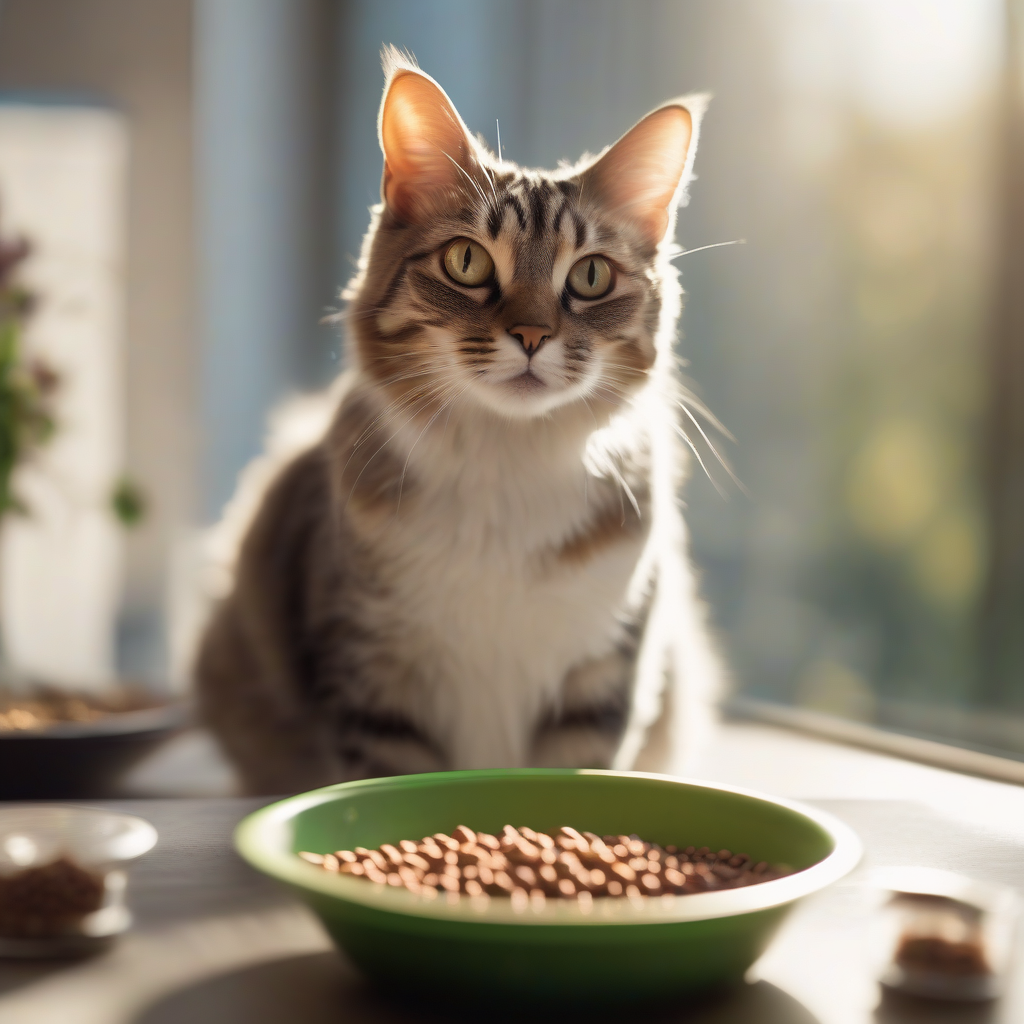
March 2026's Viral Meow-Diet Revolution: The 'Bio-Adaptive Nutrition' Secrets to Boost Your Cat's Energy by 7x!
As we step into March 2026, we continue to strive for the best for our furry companions as pet parents. Among cat owners in particular, the recently highly popular 'Meow-Diet Revolution' is fundamentally changing cat feeding habits. At the heart of this revolution lies the concept of 'Bio-Adaptive Nutrition'. So, what exactly does this new trend entail, and how can it help boost your cat's energy by 7x?
What is Bio-Adaptive Nutrition? Why Has It Gone Viral?
Bio-Adaptive Nutrition refers to feeding regimens optimized according to a cat's individual genetic makeup, lifestyle, age, health status, and even the season they live in. A single type of food is no longer enough; a feeding approach tailored to your cat's unique needs is now dominant. The main reasons for its virality in March 2026:
- Personalization: Every cat is unique, and their nutritional needs vary accordingly. Bio-adaptive nutrition centers on this individuality.
- Scientific Data: With advancing technology and scientific research, we can access more information about cats' nutritional requirements. This knowledge makes food formulations more effective.
- Energy and Vitality: Its ability to offer effective methods that make cats more energetic, healthier, and happier attracts the attention of owners.
- Seasonal Adaptability: The ability to adapt to increased needs or changes, especially during spring.
7x More Effective Food Secrets for Spring Energy
With the arrival of March, a surge in activity is observed in cats. As winter lethargy fades, our furry friends are expected to become more active. By implementing Bio-Adaptive Nutrition principles, we can maximize this energy:
1. Protein-Focused Yet Balanced Approach
Cats are obligate carnivores. The increased activity levels in spring bring a need for higher quality protein. Bio-adaptive foods should contain a high percentage of animal protein while being balanced so as not to overload your cat's metabolism. Especially easily digestible protein sources (e.g., fresh chicken, turkey, salmon) should be preferred.
2. Probiotics and Prebiotics to Support Gut Health
Spring can also be a trigger for allergies and sensitivities. Strengthening your cat's gut microbiome supports the overall immune system and ensures better nutrient absorption. Foods containing natural probiotics and prebiotics directly impact energy levels.
3. 'Bio-Active' Fatty Acids (Omega-3 and Omega-6)
These fatty acids are critical for the start of shedding season and overall skin health. Bio-adaptive formulas strengthen your cat's coat structure while also adding shine. Omega-3 fatty acids (e.g., EPA and DHA found in fish oil) reduce inflammation, supporting your cat to be more comfortable and energetic.
4. Antioxidant-Rich Fruits and Vegetables
Meat-only diets are a thing of the past. Bio-adaptive foods can include fruits and vegetables rich in antioxidants (like blueberries, spinach) in amounts that cats can digest and benefit from. These components fight free radicals, protect cell health, and support energy production.
5. Reduced Carbohydrates and Refined Sugars
Cats have a low requirement for carbohydrates. High-carbohydrate foods can lead to energy fluctuations and weight gain. Bio-adaptive nutrition minimizes carbohydrates to meet your cat's energy needs and prefers complex carbohydrate sources.
6. 'Smart Grain' or Grain-Free Options
Some cats may exhibit sensitivity to grains. Bio-adaptive nutrition offers the flexibility to choose what is most suitable for your cat's digestive system. High-quality grain-free foods or formulas containing easily digestible grain sources (like rice, oats) ensure sustained energy.
7. Hydration-Focused Food or Additional Supplements
Cats generally have low water intake, which can pose a risk to kidney health. Bio-adaptive approaches can include foods with a higher moisture content (wet food or rehydrated dry food) or supplements that provide additional hydration (e.g., bone broth-based gravies). Adequate water intake is fundamental for overall energy levels.
What to Consider When Choosing the Right Bio-Adaptive Diet for Your Cat
- Consult Your Veterinarian: Always consult your veterinarian before making any dietary changes or choosing a new food.
- Examine the Ingredient List: Read the food's ingredients carefully. The first few ingredients should be high-quality protein sources.
- Observe Your Cat: After transitioning to a new food, observe your cat's energy levels, stool quality, coat condition, and general behavior. Make adjustments if necessary.
- Offer Variety: If possible, increase your cat's dietary variety by offering different protein sources and textures. This provides sensory enrichment and helps prevent potential allergies.
With this exciting 'Meow-Diet Revolution' of March 2026, you can enhance your furry friend's quality of life, boost their energy to its peak, and offer them a long, healthy life. Bio-adaptive nutrition will be one of the most valuable investments you make in your cat's future.