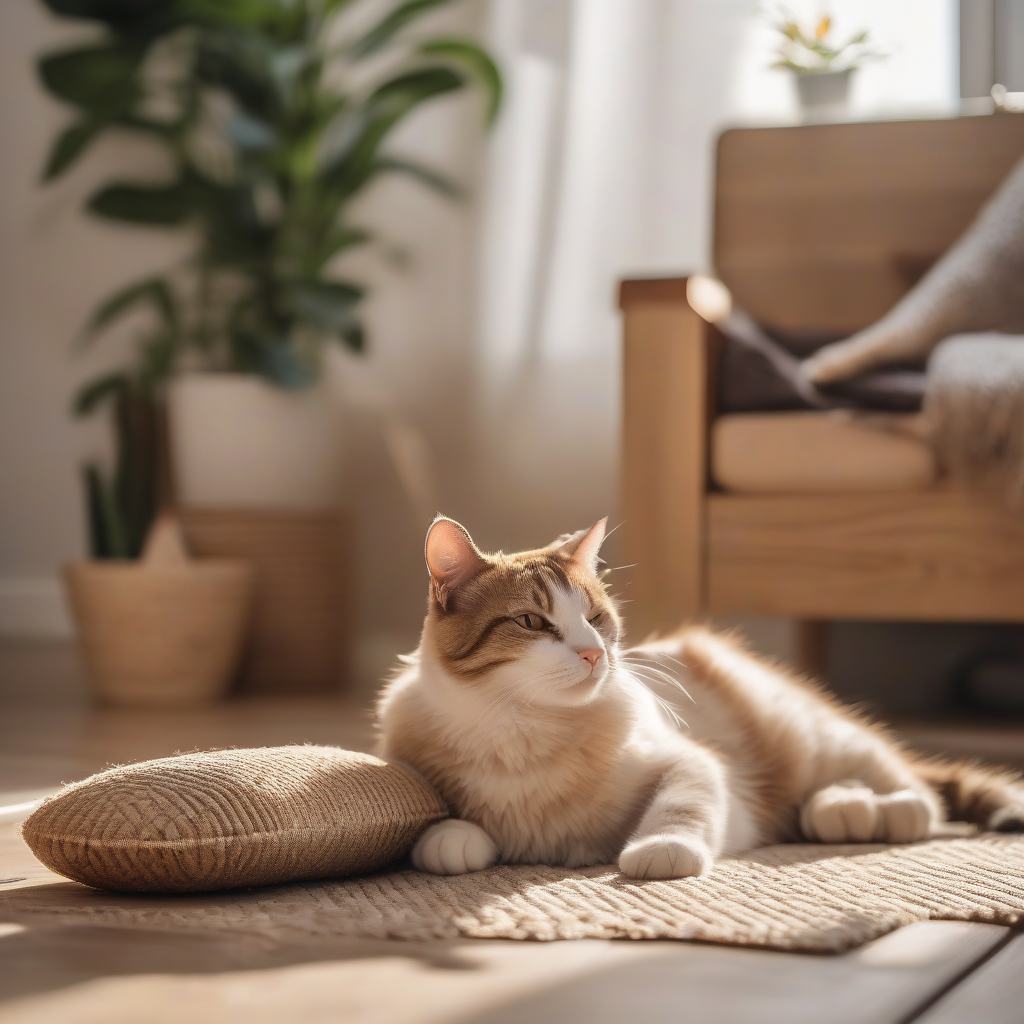
March 2026's Green Revolution: Make Your Cat's Life Sustainable in 7 Steps! An Eco-Friendly Future for Your Feline Friend
As we step into March 2026, we are witnessing a period where our world and lifestyles are being reshaped by sustainability consciousness. This wave of green transformation is also impacting the world of our beloved furry companions, our cats. "Sustainable cat care" is no longer just a niche preference; it is becoming a necessity for our planet and the long-term health of our cats. So, would you like to reduce the carbon paw print your cat leaves on the world and offer them a more natural, healthier life? As YuDo Pet, we have prepared this sustainable cat care guide, one of the most prominent trends of March 2026, just for you. Come on, let's explore 7 steps towards a green future for your furry friend!
Why Sustainable Cat Care?
Sustainable cat care aims to maximize your cat's health and well-being while minimizing environmental impact. This approach not only increases environmental awareness but also offers your cat a more natural life free from harmful chemicals.
Benefits for the Planet
Traditional pet product manufacturing, packaging, and waste management processes can leave a significant environmental footprint. Sustainable options help preserve natural resources, reduce waste, and lower carbon emissions.
Benefits for Your Cat's Health
Eco-friendly products are often made from less processed, natural, and chemical-free ingredients. This reduces your cat's exposure to allergens, toxins, and potentially harmful substances, supporting their overall health and longevity.
March 2026's Green Trends: 7 Steps to Sustainable Cat Care
1. Eco-Friendly Food Choices: The Future of Nutrition
Reviewing your cat's diet is the first and most crucial step towards a sustainable lifestyle. Among the rising trends in March 2026 are insect-based proteins, sustainably sourced fish, and organic, locally produced meats.
- Sustainable Proteins: Insect-based foods, which consume fewer resources than traditional livestock, offer protein-rich and allergy-friendly alternatives.
- Organic and Local Sources: Ensuring your cat's food comes from organic farming products and local suppliers reduces chemical use and lowers the carbon footprint associated with transportation.
- Minimal Packaging: You can reduce plastic waste by choosing foods offered in bulk packages or recyclable/compostable packaging.
2. Recycled and Reusable Products
Opt for recycled or reusable materials in everything from your cat's toys to their bed, scratching post, and food bowl.
- Scratching Posts and Toys: Scratching posts made from recycled cardboard or toys produced from sustainable wood are both eco-friendly and durable. You can also reduce waste by making your own toys from old t-shirts or blankets.
- Beds and Blankets: Beds and blankets made from organic cotton or recycled PET bottles ensure your cat's comfort while lightening the planet's burden.
3. Natural and Biodegradable Litters
Traditional clay-based litters do not decompose in nature and are obtained through mining processes. Among the prominent trends in March 2026 are biodegradable litters made from corn, wheat, tofu, or recycled paper.
- Biodegradable Litters: These types of litters can be flushed down the toilet or composted (according to local regulations) and cause less harm to the environment. Additionally, they are generally less dusty, which is better for both your and your cat's respiratory health.
4. Reduced Plastic Consumption
Single-use plastics are a significant cause of environmental pollution. Minimize plastic use among your cat's belongings.
- Stainless Steel or Ceramic Bowls: Opt for durable and easy-to-clean materials like stainless steel or ceramic for food and water bowls. These materials are both healthy and long-lasting.
- Storage Containers: Use glass or metal containers when storing dry food or treats.
5. DIY and Homemade Solutions
Making your own cat items allows you to use your creativity and reduces the environmental impact associated with purchasing new products.
- Homemade Toys: Old socks, t-shirts, or cardboard boxes can be transformed into great toys for your cat.
- Furniture Upcycling: Turning an old drawer or dresser into a small catio or climbing area gives new life to your items and creates a special space for your cat.
6. Responsible Waste Management
You can also be environmentally conscious when managing your cat's waste.
- Compostable Waste: If you use biodegradable litter and local regulations permit, you can incorporate used litter into your compost system. However, cat feces should be kept away from food-growing areas due to the risk of parasites.
- Recycling: Always put cat food cans or recyclable packaging into recycling bins.
7. Energy-Efficient and Eco-Friendly Home Life
Making your cat's living environment generally more eco-friendly is also part of sustainability.
- Natural Light and Ventilation: Ensure your cat benefits from natural sunlight and regularly ventilate the house to reduce energy consumption.
- Ecological Cleaning Products: When cleaning surfaces your cat might come into contact with, use chemical-free, natural cleaning products. This is better for both your cat's health and the environment.
Towards Tomorrow with Green Paws!
Sustainable cat care is a journey where you can make big differences with small steps. By joining this significant trend of March 2026, you will help your cat lead a healthier and happier life, while also fulfilling our responsibility towards our planet. Remember, every small choice matters, and the future of our furry friends is in our hands! As YuDo Pet, we invite you to join this green revolution.