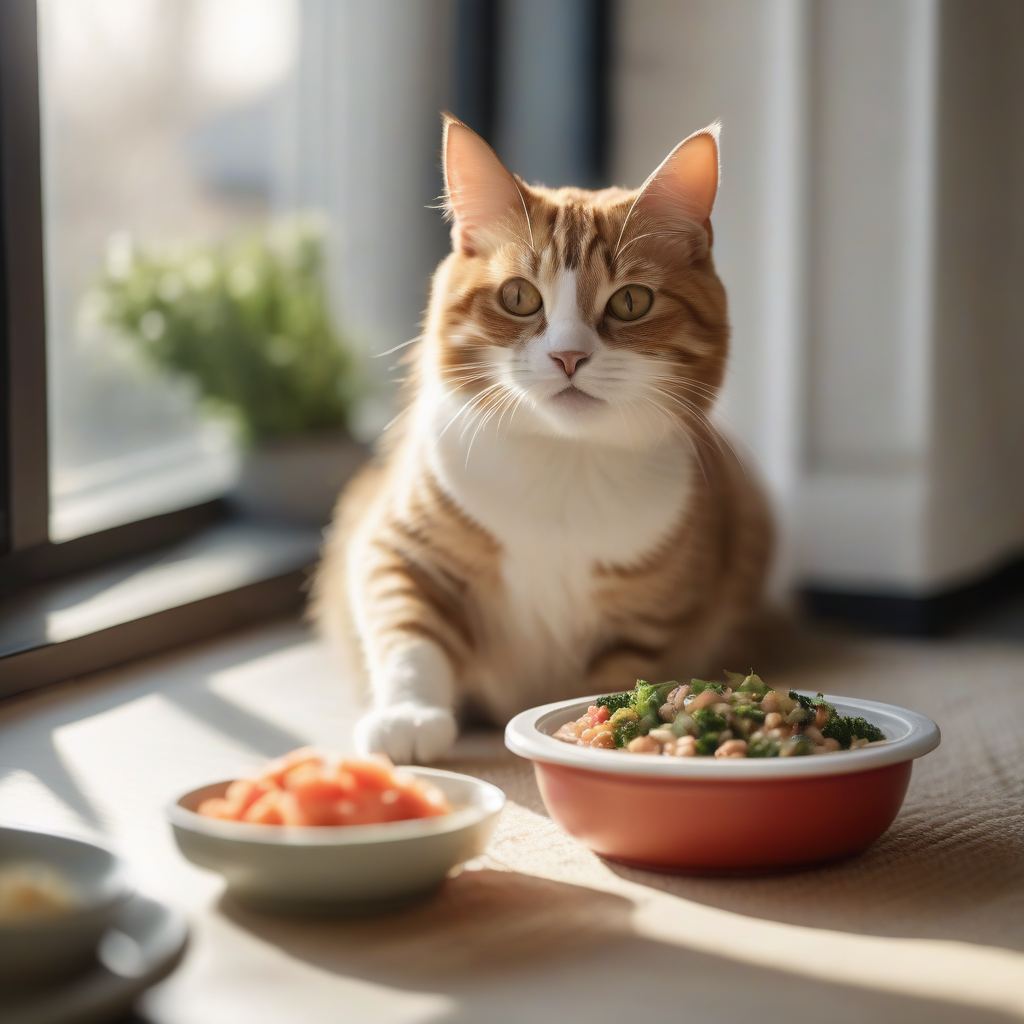
Gourmet Felines of March 2026: A Guide to Healthy and Delicious Homemade Recipes for Your Cat
As we enter March 2026, the importance we place on the health and happiness of our feline friends is growing day by day as pet parents. Current trends indicate a shift towards homemade recipes that offer more personalized, fresh, and nutritious options for our cats, rather than solely relying on commercial foods. Especially with the freshness brought by spring, adding new and exciting flavors to your cat's diet can be a wonderful way to provide both physical and mental enrichment.
In this guide, we will explore veterinarian-approved and highly nutritious recipes that you can easily prepare at home for your cat, catching the health-focused nutrition trends of March 2026. Remember, your cat's health is always our priority, and consulting your veterinarian before any diet change is of utmost importance.
The Way to Your Cat's Heart is Through Its Stomach: The Homemade Cat Food Revolution
While commercial cat foods are practical and balanced, many pet owners are drawn to the appeal of homemade foods, where they can fully control the ingredients. This approach allows you to manage specific allergies, aid in weight control, or simply provide a more natural, additive-free diet for your cat. As of March 2026, with increasing nutritional awareness, homemade cat food has become not just a luxury but a preference and even a lifestyle for many. This can stimulate your cat's appetite, make their fur shinier, and strengthen the bond between you.
Spring Freshness on Their Plate: Safe and Seasonal Ingredients
Spring is a time when nature awakens, and fresh produce abounds. To infuse your cat's diet with the energy of spring, you can use the safe and nutritious ingredients this season offers:
- Proteins: Cats are obligate carnivores and require a protein-rich diet. Lean proteins such as boiled or steamed chicken breast, turkey, salmon, and mackerel are excellent choices. Raw meat and fish should be strictly avoided due to the risk of parasites and bacteria.
- Vegetables: Vegetables should form a small part of a balanced diet for cats. Fiber-rich options like boiled and pureed carrots, small amounts of peas, pumpkin, or green beans can aid digestion.
- Fats: Healthy fats are important for your cat's coat and skin health. Small amounts of fish oil (with veterinary approval) or very little olive oil can be used. However, the amount of fat must be carefully controlled.
- Carbohydrates: Cats have a very low carbohydrate requirement. Very small amounts of well-cooked brown rice or oatmeal can provide energy but should not be the main source of nutrition.
- Vitamins/Minerals: The biggest challenge with homemade foods is providing all essential vitamins and minerals in the correct proportions. Therefore, using specific feline supplements recommended by your veterinarian is vital.
What You Should Never Give Your Feline Friend (Red Lines)
Many human foods can be dangerous for cats. You should strictly avoid these when preparing homemade food:
- Onions, garlic, chives (can cause anemia)
- Chocolate, coffee, tea (contain caffeine and theobromine, which are toxic)
- Avocado (contains persin)
- Grapes and raisins (can lead to kidney failure)
- Anything containing alcohol or caffeine
- Raw egg whites (inhibit biotin absorption)
- Milk and dairy products (most cats are lactose intolerant)
- Salt, sugar, spices, spicy foods
- Bones (choking and internal injury risk)
March 2026's Trendiest Homemade Cat Food Recipes
Here are a few healthy and delicious spring-inspired recipes that will delight your cat's palate:
1. Spring Breeze Chicken and Vegetable Puree
This recipe meets your cat's protein and fiber needs while ensuring easy digestion.
Ingredients:
- 100g boiled or steamed chicken breast (skinless, boneless)
- 1 tablespoon boiled and mashed carrots
- 1 tablespoon boiled peas (mashed)
- 2 tablespoons unsalted chicken broth
Preparation: Puree all ingredients in a food processor until smooth. Serve in small portions.
2. Omega-3 Powerhouse: Salmon and Oatmeal Delight Bites
Salmon is rich in omega-3 fatty acids, which are great for your cat's coat and skin health. Oats provide fiber to aid digestion.
Ingredients:
- 80g steamed salmon (boneless, skinless)
- 1 tablespoon lightly cooked oatmeal (with water only)
- 1/2 teaspoon fish oil (with veterinary approval)
Preparation: Mash the salmon and oatmeal with a fork. Add fish oil and mix thoroughly. Roll into small bites and offer as a treat to your cat.
3. Playtime Treat: Tuna and Catnip Cookies
This recipe provides both a tasty treat and mental stimulation.
Ingredients:
- 50g water-packed, drained tuna (oil-free and unsalted)
- 1 teaspoon dried catnip
- Very small amount (1/2 teaspoon) whole wheat flour (as a binder, optional)
- 1-2 tablespoons water (as needed for consistency)
Preparation: Mix tuna, catnip, and flour (if using) in a bowl. Add water gradually to form a dough and shape into small, flat cookies. Bake in a preheated oven at 170°C (340°F) for about 10-15 minutes or until crisp. Serve after cooling.
4. Hydration and Flavor: Vitamin-Infused Chicken Broth Ice Cubes
Especially in spring, it's important to increase your cat's fluid intake. These ice cubes are a delicious source of hydration.
Ingredients:
- 200 ml unsalted, unseasoned chicken broth (homemade or cat-specific)
- A few finely chopped parsley or mint leaves (very small amount, safe for cats)
Preparation: Mix the chicken broth and finely chopped herbs. Pour into ice cube trays and freeze. You can add one or two cubes to your cat's water bowl to encourage drinking.
Tips for a Successful Homemade Food Experience
- Veterinary Approval: Always talk to your veterinarian before starting a homemade diet. They can help shape the nutrition plan according to your cat's specific needs.
- Balanced Nutrition: If feeding homemade food long-term, supplements recommended by your veterinarian are essential to ensure your cat receives all vital nutrients (including taurine).
- Portion Control: Adjust portions according to your cat's age, weight, activity level, and health status. Avoid over- or under-feeding.
- Transition Period: Gradually transition your cat to a new diet. Start by mixing it with their old food and gradually increase the ratio over time.
- Hygiene and Storage: Homemade foods do not last as long as commercial foods. Prepare them fresh and store leftovers in the refrigerator for no more than 2-3 days, or freeze them in small portions.
Conclusion: Every Bite Prepared with Love and Health
These innovative nutrition trends of March 2026 offer a wonderful opportunity to support your cat's health and happiness. Homemade foods make them feel specially cared for, while also contributing to a more natural and healthier life. Remember, every delicious moment you share with your cat is a valuable experience that will further strengthen your bond. Bon appétit, little friend!