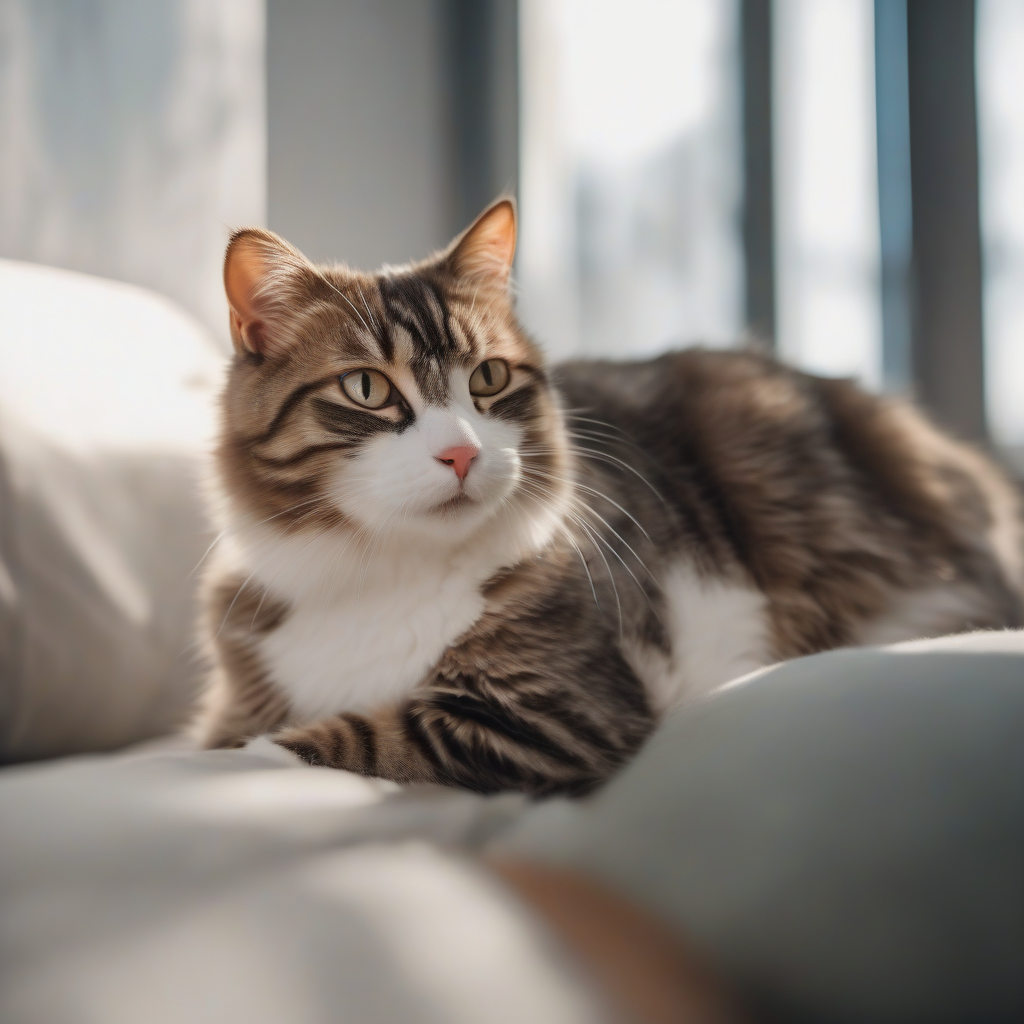
March 2026 Spring Trend: Feline Spring Allergies – Ways to Relieve Your Furry Friend from Itching
March marks the awakening of nature and the beginning of renewal. Like humans, our feline friends can also be affected by these seasonal changes. Especially with the onset of spring, increased pollen, dust mites, and mold spores can lead to reactions in cats known as "spring allergies." This year, as of March 2026, awareness regarding allergy management and preventive measures is growing among cat owners. As Sen YuDo Pet, we have compiled everything you need to know to ensure your cat enjoys this spring peacefully in this comprehensive guide.
What Are the Symptoms of Spring Allergies in Cats?
Understanding if your cat has spring allergies is the first step towards proper intervention. Symptoms can typically affect the skin, respiratory system, and rarely the digestive system.
Skin Symptoms
The most common symptom of allergies in cats is related to the skin. Pay attention to:
- Excessive Itching and Licking: If your cat is constantly scratching, licking, or chewing a specific area, this could be a sign of an allergic reaction. It might be concentrated especially on the abdomen, groin, ears, and base of the tail.
- Redness and Irritation: The scratched areas of the skin might become red, irritated, or crusty.
- Hair Loss and Lesions: Excessive licking and scratching can result in localized thinning of fur, and even open sores (lesions).
- Ear Infections: Redness, itching, foul odor, or discharge in the ears can indicate a secondary infection triggered by allergies.
- Flea Allergy Dermatitis (PAD)-like Conditions: Some environmental allergies can cause skin reactions similar to flea allergy dermatitis (PAD).
Respiratory Symptoms
Though less common, some cats may exhibit respiratory symptoms due to spring allergies:
- Sneezing and Nasal Discharge: Similar to humans with seasonal allergies, cats can experience sneezing and clear nasal discharge.
- Coughing and Wheezing: Exposure to allergens can exacerbate coughing and wheezing, especially in cats with asthma.
- Watery and Red Eyes: Irritation, watering, or redness of the eyes can also be part of an allergic reaction.
Factors Causing Spring Allergies
The main factors contributing to spring allergies in cats are environmental allergens.
Environmental Allergens
- Pollens: Tree, grass, and flower pollens become concentrated in the air during spring months and can trigger allergic reactions in your cat by inhalation or contact with their paws.
- Dust Mites: Indoor dust mites are a constant problem for allergic cats regardless of the season, but they can become more airborne during spring cleaning.
- Mold Spores: Mold spores that form in damp and enclosed environments can also be a trigger for allergic cats. Increased humidity with spring rains can raise this risk.
Distinction from Food Allergies
Environmental allergies are typically seasonal and manifest with skin symptoms. Food allergies, however, can persist throughout the year and usually present with digestive issues like vomiting and diarrhea, in addition to skin symptoms. If your cat's symptoms continue year-round, it's important to consult your veterinarian about the possibility of food allergies.
Practical Steps to Protect Your Furry Friend from Spring Allergies
There are several measures you can take to help your cat have a comfortable spring.
Keeping the Home Environment Clean
- Regular Vacuuming and Dusting: Regularly vacuum your home, especially using a vacuum cleaner with a HEPA filter, and dust with a damp cloth. This helps reduce pollen, dust mites, and mold spores.
- Air Purifiers: Using an air purifier (with a HEPA filter) at home can significantly reduce the amount of airborne allergens.
- Bedding and Textile Cleaning: Regularly wash your cat's bed, blankets, and other frequently contacted textiles in hot water.
Regular Grooming and Fur Cleaning
- Frequent Brushing: Regularly brushing your cat helps remove loose fur and accumulated allergens like pollen.
- Wiping with a Damp Cloth: Especially for outdoor cats, wiping their paws and fur with a damp cloth upon returning home helps reduce allergens they bring inside.
- Anti-Allergen Shampoos: With your veterinarian's recommendation, you can use special anti-allergen shampoos that strengthen the skin barrier and soothe itching.
Nutrition and Supplements
- High-Quality Food: Choose high-quality cat food rich in omega-3 and omega-6 fatty acids that support skin health.
- Probiotics: There is a strong link between gut health and the immune system. Using probiotic supplements with your veterinarian's approval can help alleviate allergic reactions.
- Skin-Supporting Supplements: Supplements containing omega fatty acids, such as fish oil, can strengthen the skin barrier, making your cat more resistant to allergens.
Veterinary Visits and Treatment Options
When you notice allergy symptoms in your cat, the best approach is to consult your veterinarian. Your vet can recommend different treatment options based on your cat's condition:
- Antihistamines: Can alleviate allergic reactions in some cats. However, not all antihistamines used by humans are suitable for cats, and the dosage must be determined by a veterinarian.
- Corticosteroids: Can be used for short periods in cases of severe itching and inflammation. Long-term use can lead to side effects.
- Immunotherapy (Allergy Shots): A long-term solution that helps desensitize your cat to specific allergens. After allergy tests determine which allergens your cat is sensitive to, personalized vaccines are prepared.
- Skin Barrier Supporting Treatments: Topical creams, sprays, or special shampoos can help repair the skin barrier.
Seek Help from Your Veterinarian
If you notice any of the allergy symptoms mentioned above in your cat, or if the existing condition worsens, consult your veterinarian without delay. Early diagnosis and appropriate treatment will significantly improve your furry friend's quality of life. Your veterinarian is the best resource for an accurate diagnosis and creating the most suitable treatment plan for you.
Conclusion
As spring arrives in March 2026, it's crucial to be proactive to ensure your cat isn't vulnerable to allergies. Steps you take from home cleaning to nutrition, regular grooming to veterinary check-ups, will help your furry friend enjoy spring itch-free, happy, and healthy. At Sen YuDo Pet, we wish your cat the best care always!