March 2026's Eco-Revolution: Shrink Your Cat's 'Carbon Pawprint'! 7 Innovative and Eco-Friendly Steps!
Welcome to March 2026! This spring, with the awakening of nature, our environmental consciousness is also refreshed. In today's world, we are beginning to understand the place of our pets in our lives and their impact on the planet more closely. While our cats are an integral part of our family, their lifestyle and consumption habits naturally leave a "carbon pawprint." So, is it possible to minimize this impact and ensure our furry friends live a more sustainable life?
At YuDo Pet, we embrace the "eco-paw lifestyle," one of the most prominent trends of March 2026. In this guide, we've gathered 7 innovative and eco-friendly steps that will allow you to invest in both your cat's health and the future of our planet. Get ready to embark on a green revolution with your cat!
Why Should We Shrink Our Cat's Carbon Pawprint?
Not just humans, but our pets also consume the planet's resources and generate waste. Processes such as food production, product packaging, cat litter manufacturing, and waste disposal can create significant environmental impacts. To leave a more livable world for future generations, we must make more conscious choices in pet care, as in every other area.
The Rise of Global Environmental Consciousness
As of March 2026, sustainability has ceased to be just a trend and has become a way of life. Consumers increasingly consider the environmental and ethical impacts of products when making purchasing decisions. This awareness is rapidly spreading among pet owners.
Our Furry Friends' Invisible Impact
Considering the food a cat consumes, the litter it uses, its play areas, and grooming products throughout its life, the environmental impact can be greater than we think. But don't worry! We can significantly reduce this impact with small changes and smart choices.
March 2026's 7 Innovative and Eco-Friendly Paw Steps
Here are 7 smart steps you can take to shrink your cat's carbon pawprint and offer them a more sustainable life:
1. Sustainable and Ethically Sourced Food Choices
Your cat's diet is one of the largest components of its environmental footprint. The production of traditional meat-based foods heavily uses water and land resources. Solutions highlighted among March 2026 trends include:
- Insect-Based Proteins: Considered the food of the future, insect proteins are produced using significantly less water and land than traditional meats. They stand out with their high nutritional value and hypoallergenic properties.
- Local and Organic Production: Foods sourced from local farms or organic certified producers reduce carbon emissions from transportation and support environmentally friendly farming practices.
- Recycled and Compostable Packaging: The packaging itself is as important as the food. Opt for recyclable, biodegradable, or compostable packaging.
2. Eco-Friendly Cat Litter Alternatives
Cat litter is a significant source of waste due to frequent changes. Traditional bentonite clays are mined and can take centuries to decompose. New-generation eco-litters, however, offer much more sustainable options:
- Plant-Based Litters: Litters made from corn, wheat, tofu, pine, or recycled paper are biodegradable, and some can be flushed down the toilet or composted (provided local regulations allow).
- Sustainable Resources: These litters are derived from renewable resources, and their production processes consume less energy.
3. Durable and Natural Toys
Your cat's toys also affect its carbon footprint. Cheap, plastic toys are both short-lived and can contribute to microplastic pollution. Instead:
- Natural Materials: Choose toys made from organic cotton, wool, jute, sisal, or untreated wood.
- Recycled Materials: Durable and safe toys made from recycled plastics are also a good alternative.
- Long-Lasting Design: Toys made from quality materials that won't easily break will reduce waste.
4. Minimalist and Long-Lasting Cat Essentials
Items in your cat's living space, especially beds, bowls, and carriers, should be durable and made from quality materials. Reduce consumption by avoiding single-use or short-lived products. Stainless steel bowls, washable and durable beds, and carriers made from bamboo or recycled fabrics are both eco-friendly and stylish options.
5. Homemade or Organic Grooming Products
Grooming products like shampoos, fur care sprays, and other items used in your cat's routine can contain chemicals. Instead:
- Natural Ingredients: Opt for natural, plant-based products free from parabens/sulfates.
- Homemade Solutions: Try making your own cat shampoo or paw balm at home with safe, natural ingredients. (Don't forget to get veterinary approval!)
- Concentrated Products: Concentrated or solid form grooming products, which mean less packaging waste, are also becoming popular.
6. Smart Waste Management and Composting Solutions
Properly managing your cat's fecal waste is an important way to reduce environmental harm. If you use compostable cat litter, you can research special composting systems designed for cat waste. However, remember that cat feces can contain harmful pathogens for humans and other animals, so such compost should not be used for garden plants or vegetables. Adhering to local waste management rules is always the best approach.
7. Sustainable Cat Furniture and Scratching Areas
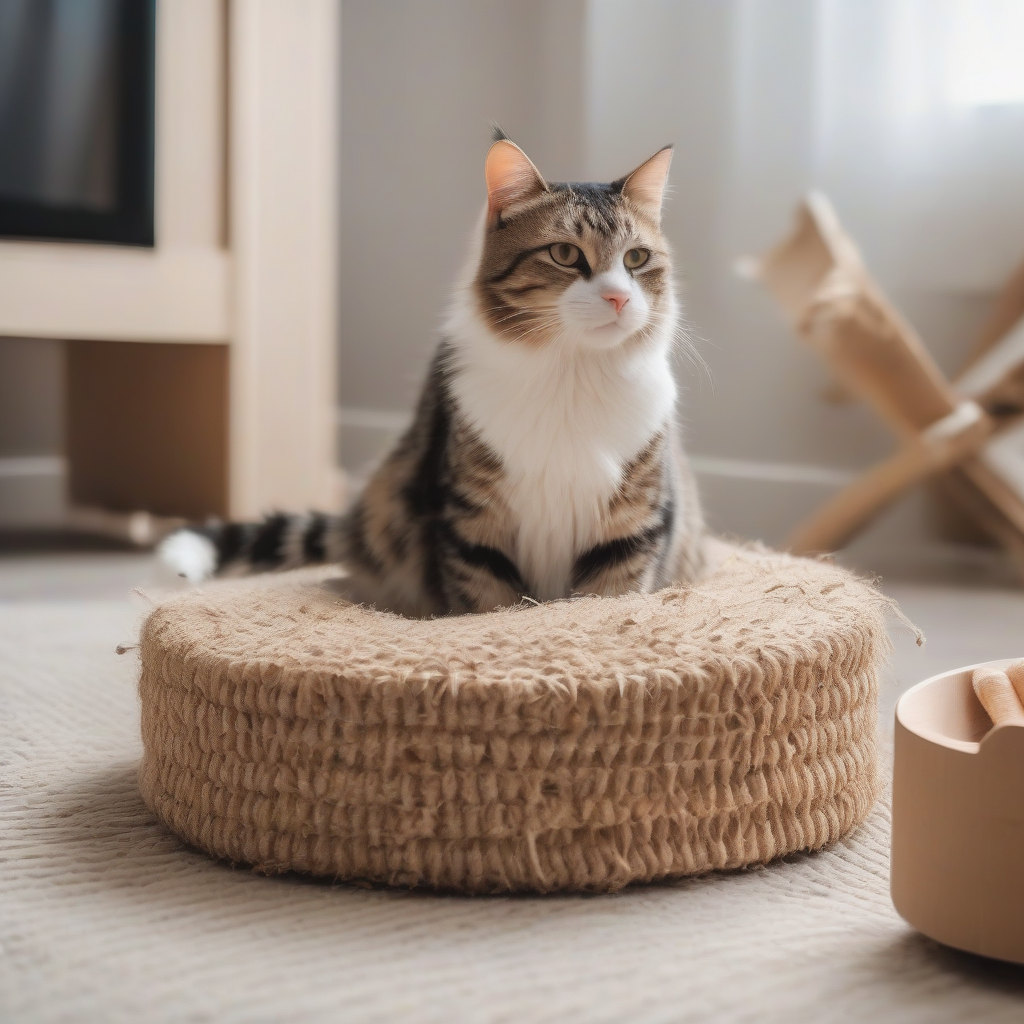
Cat trees, scratching posts, and beds can also be produced from sustainable materials. Products made from renewable resources like bamboo, recycled cardboard, natural wood, or sisal rope are both durable and eco-friendly. These items satisfy your cat's natural instincts while demonstrating our respect for the planet.
A Green Paw Path for Future Generations
March 2026 is a period where our understanding of pet ownership evolves, and our responsibility towards the environment increases. Shrinking your cat's 'carbon pawprint' is not just a duty to our planet but also a way to offer them a healthier and more natural life. As YuDo Pet, we are proud to provide you with the most innovative and effective solutions to join this eco-revolution. Remember, every small step makes a big difference. Embark on a green future with your cat!