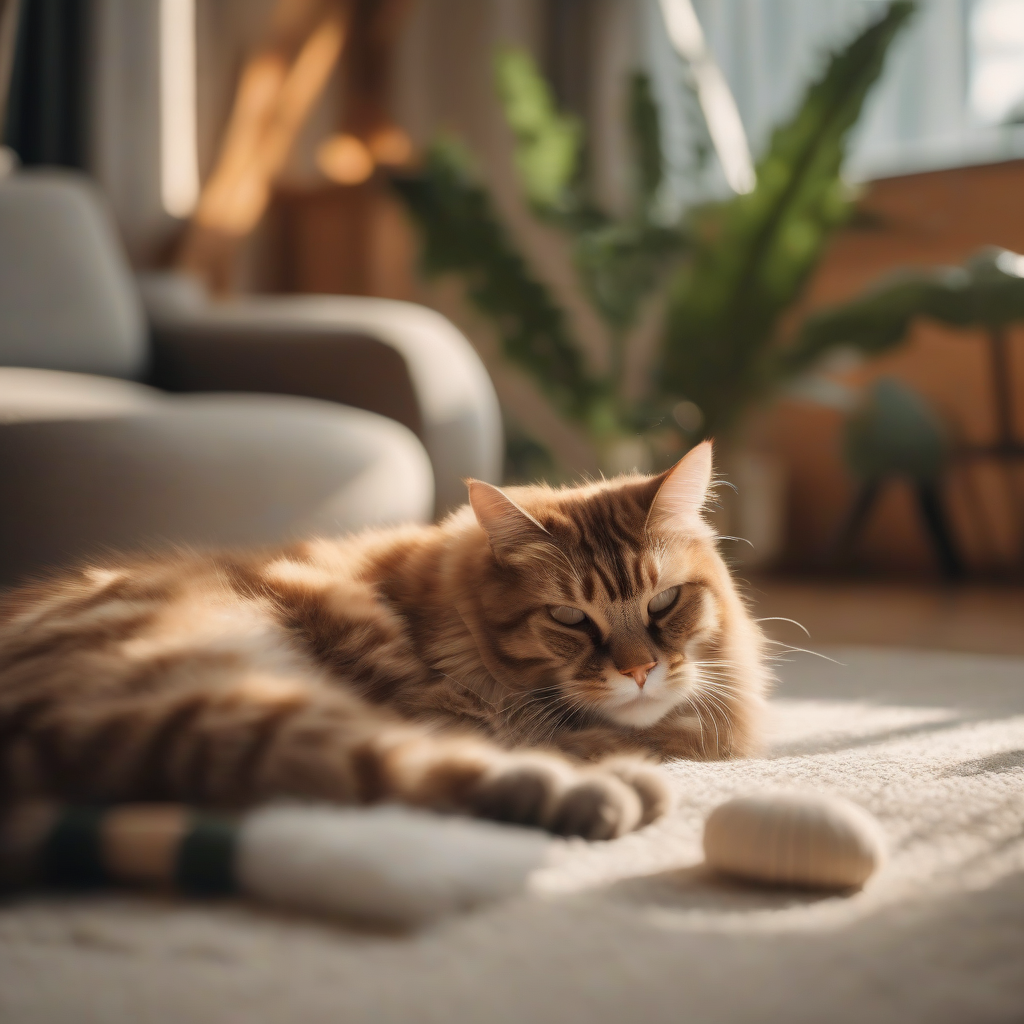
March 2026's Rising Trend: An Eco-Chic Lifestyle with Your Cat – Sustainable Cat Care Guide
Introduction: As global environmental awareness grows in March 2026, our pet ownership habits are also being transformed. Now, not only our cats' health and happiness but also the future of our planet are among our priorities. "Eco-Chic" cat care combines these two important values, allowing us to offer the best to our furry friends while reducing our carbon pawprint. So, how can you adopt a sustainable lifestyle with your cat? In this guide, we will explore March 2026's latest eco-trends and practical application methods.
I. Eco-Friendly Nutrition: A Green Touch in Your Feline Friend's Bowl
Our cats' nutrition is the first step on our sustainability journey. As of March 2026, environmentally conscious options in the pet food sector are increasing.
A. Sustainably Sourced Foods
- Insect-Based Proteins: Requiring significantly less water and land than traditional meat production, insect-based foods stand out for their high protein content. It's an innovative way to contribute to the environment without changing your cat's eating habits.
- Local and Organic Production: Foods prepared with organic ingredients sourced from local farms reduce transportation costs and carbon emissions, while offering your cat natural and healthy nutrition.
- Vegetarian/Vegan Options (Under Veterinary Supervision): Some brands offer plant-based foods produced with veterinary approval, taking significant steps towards reducing meat consumption. However, such a transition must be done under the supervision of a veterinarian.
B. Revolution in Food Packaging
- Recyclable and Biodegradable Packaging: Move away from single-use plastics towards fully recyclable or compostable packaging.
- Bulk Food and Refillable Containers: Some pet stores offer the opportunity to minimize packaging waste through bulk food sales. You can participate in this trend by using your own containers.
II. Eco-Friendly Cleaning and Grooming Products: Safe for Both Your Cat and the Planet
Your cat's personal care and the cleanliness of their living space can also be aligned with sustainability principles.
A. Natural and Non-Toxic Cleaning Products
- Plant-Based Shampoos: Opt for natural ingredient cat shampoos free from parabens, sulfates, and artificial fragrances. These products are better for your cat's sensitive skin and release fewer chemicals into the environment.
- Natural Odor Removers: Instead of chemical sprays, you can eliminate cat odors at home with natural substances like baking soda and vinegar.
B. Sustainable Litter Solutions
- Biodegradable and Compostable Cat Litters: Litters made from corn, wheat, soy, or recycled paper naturally decompose, reducing waste. These clumping, naturally scented litters can also decrease how often you need to dispose of waste.
- Reusable Cat Litter Liners: Prevent waste by opting for washable and reusable fabric liners instead of single-use plastic liners.
III. Energy Efficiency and Sustainable Home Design: A Greener Home for Your Feline Friend
Making your cat's living space eco-friendly enhances the quality of life for both you and your cat.
A. Smart and Energy-Efficient Toys
- Rechargeable Toys: Instead of toys requiring single-use batteries, opt for smart toys that can be charged via USB or powered by solar energy.
- Toys Made from Natural and Recycled Materials: Toys made from natural materials like wood, jute, wool, or recycled fabrics reduce reliance on plastic.
B. Cat-Friendly Energy Saving
- Natural Lighting and Heating: Create areas where your cat can benefit from sunlight, supporting natural Vitamin D intake while reducing the need for artificial lighting and heating at home.
- Beds and Furniture from Recycled Materials: Beds made from old sweaters or cat trees from recycled wood contribute to the environment and add a unique touch to your home.
IV. Tips for Embracing a Sustainable Lifestyle
- DIY (Do It Yourself) Projects: Make your own toys, beds, or scratching posts for your cat. You can find many ideas online using recycled materials.
- Consider Second-Hand Products: You can consider buying products like cat carriers, food bowls, or scratching posts second-hand.
- Water Conservation: Minimize water usage when washing food bowls or bathing your cat (if your cat is accustomed to water).
- Plastic Reduction: Choose durable materials like stainless steel or ceramic for food and water bowls.
Conclusion: March 2026 offers a turning point where we combine our relationship with our cats with planetary consciousness. Eco-Chic cat care is not just a trend but a conscious investment in the future. By starting with small steps, you can both enhance your furry friend's quality of life and build a greener future for our world. Come on, step into a more sustainable, more chic life with your cat!