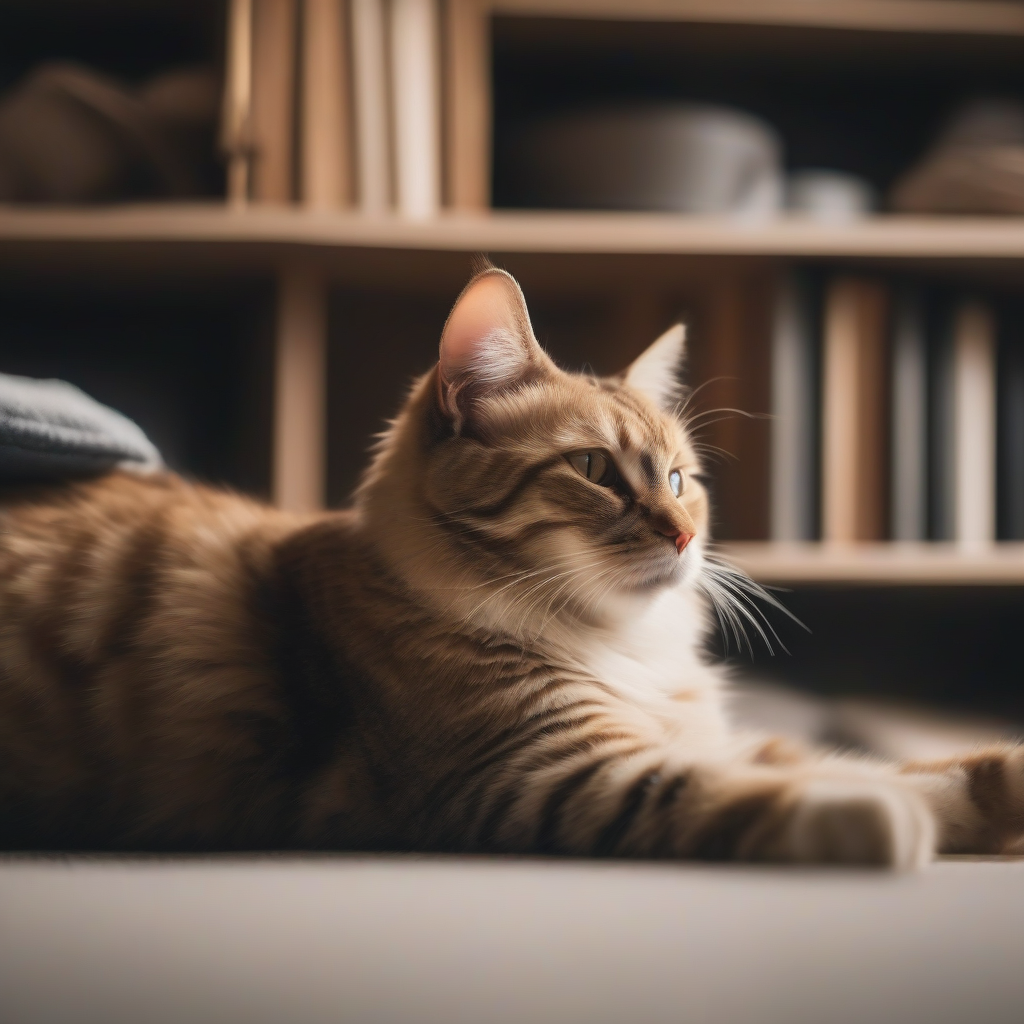
March 2026's Trust Revolution: 7 Scientific Ways to Create a 'Zero-Fear Zone' for Your Cat at Home! Strengthen Your Bond 7-Fold
As of March 2026, a new understanding of welfare is emerging in the pet world: maximizing your cat's mental and emotional security, not just their physical well-being. Cats, with their innate instincts, are highly sensitive to their surroundings. Even small changes at home, loud noises, or unexpected situations can increase their stress levels, potentially leading to behavioral problems and health issues in the long run. At YuDo Pet, we invite you this spring season to discover scientifically-backed ways to create a "Zero-Fear Zone" for your cat. This guide will help strengthen your bond with your furry friend while ensuring they feel completely safe and peaceful at home.
What is a "Zero-Fear Zone" and Why Is It Important?
A "Zero-Fear Zone" refers to an environment where your cat can relax, rest, and exhibit their natural behaviors without feeling any threat. This is not just a physical space but also offers a consistent and predictable living arrangement that supports your cat's psychological well-being. Scientific research shows that chronic fear and stress can lead to many health problems in cats, such as a weakened immune system, urinary tract infections, and behavioral disorders. Therefore, creating such a zone is vital for your cat's mental welfare.
So, what can you do to ensure your cat feels completely secure at home? Here are 7 effective ways, based on the latest scientific approaches of March 2026:
1. Create High Vantage Points and Secure Observation Spots
Cats, being both predator and prey, love to observe their surroundings from above. This allows them to see potential threats from a distance and monitor household activities from a safe vantage point.
- Cat Trees and Shelves: Install sturdy cat trees or wall-mounted shelves where your cat can climb, stretch, and watch the outdoors from a window.
- Furniture Arrangement: Create accessible areas on top of your cat's favorite armchairs or sofas where they can see their surroundings but also easily descend.
2. Provide Hidden Retreats and Multiple Escape Routes
Cats need safe places to hide when they feel stressed or simply want to be alone. These areas enhance their sense of control.
- Enclosed Spaces: Offer fully enclosed and potentially dark spaces such as boxes, tunnels, specialized cat beds, or inside cabinets.
- Multiple Exits: Ensure each retreat has at least two exits. This gives your cat the confidence of knowing they have an escape route if they feel threatened, preventing a trapped feeling.
3. Offer Consistent Routines and a Predictable Environment
Cats are creatures of habit. Consistent feeding times, play sessions, and even your coming and going times increase the predictability of their daily lives and reduce stress.
- Fixed Feeding and Play Times: Feeding and playing at the same times each day regulate your cat's biological clock and create an expectation for the future.
- Behavioral Expectations: Take measures to soften scenarios your cat might encounter, such as visiting guests or children's behaviors.
4. Build Trust Through Positive Interaction and Conditioning
The relationship you build with your cat directly impacts their sense of security at home. Being gentle, patient, and respectful of their boundaries is essential.
- Gentle Touches: Never force affection or pick up your cat when they don't want to be. Allow them to approach you on their own terms.
- Reward Association: Use treats or their favorite toys for positive conditioning, helping them associate your presence or specific situations with positive experiences.
5. Utilize Scent Enrichment and Calming Signals
Cats have a highly developed sense of smell and perceive their environment through scents. Reassuring scents help them feel more secure.
- Familiar Scents: Placing an old t-shirt or blanket that carries your scent in your cat's bed provides a familiar and comforting feeling.
- Natural Pheromones: With your vet's recommendation, using synthetic cat pheromone sprays or diffusers in their safe zones can provide additional support to reduce household tension. This is about using pheromones as a tool for safety, not the topic itself.
6. Opt for Calming Ambient Sounds and Appropriate Lighting
The auditory and visual elements of the home environment also affect your cat's sense of security. Loud noises and sudden changes in light can be sources of stress for cats.
- Low Sound Levels: Avoid loud music or television volumes at home. Experiment with calming music specifically designed for cats or nature sounds.
- Soft Lighting: Opt for dim and warm lights, especially in resting areas. Avoid sudden and bright lights.
7. Provide Enriched Environmental Stimuli to Foster a Sense of Control
Boredom and insufficient stimulation can lead to stress in cats, and consequently, a feeling of insecurity. Satisfying their play and hunting instincts increases their sense of control.
- Rotating Toys: Regularly change your cat's toys to keep their interest alive. Use puzzle toys and interactive toys that stimulate their hunting instincts.
- Scratching and Marking Areas: Place multiple scratching posts or panels. This helps your cat mark their territory and feel secure.
Having a "Zero-Fear Zone" at home for your cat not only ensures they are happy and healthy but also deepens the bond between you. By applying these scientific approaches, you can create a truly peaceful and secure sanctuary for your furry friend. At YuDo Pet, we are with you every step of the way in promoting your cat's welfare!