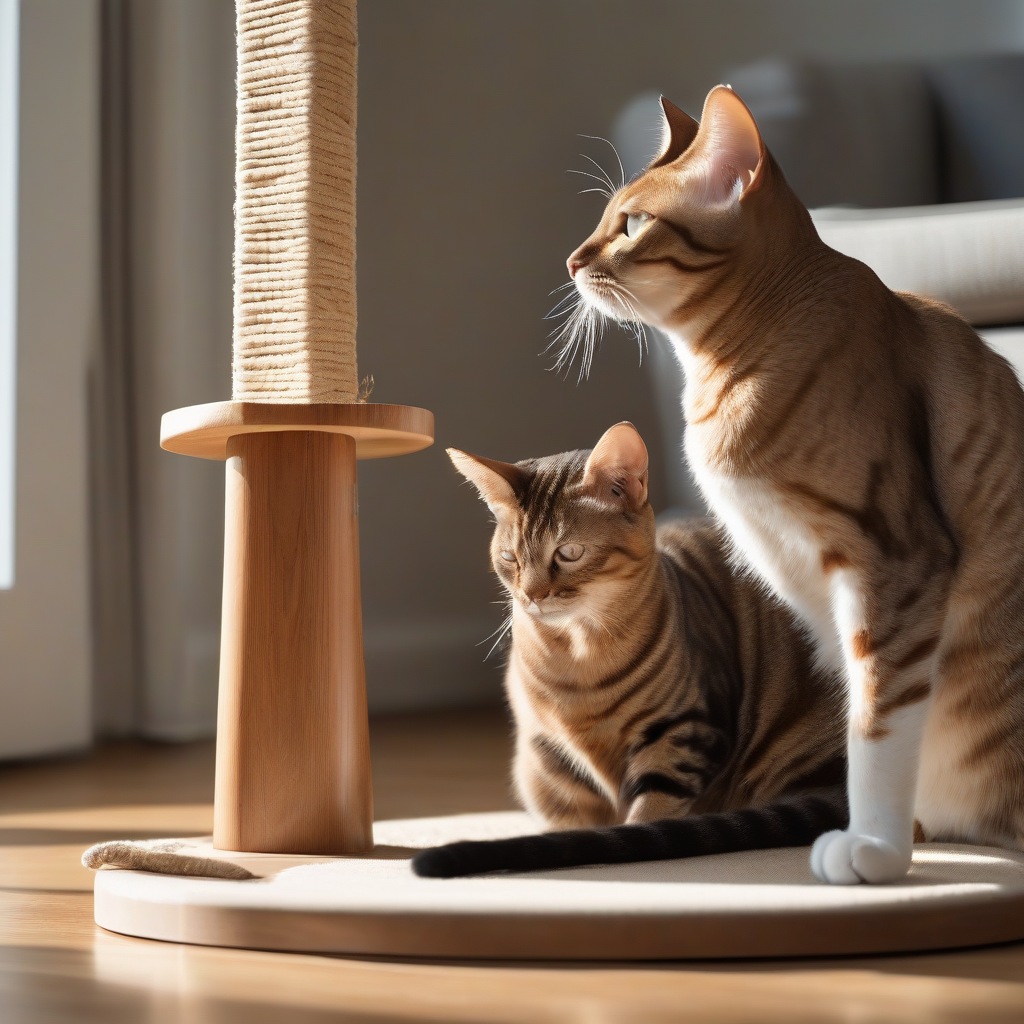
March 2026's Viral Discovery: Your Cat's 'TheraPawtic Nail Map'! 7 Smart Ways to Read Your Feline Friend's Stress and Happiness!
Have you ever wondered why your cat scratches? Often, this behavior is simply seen as an instinct: sharpening claws, marking territory, or stretching. However, as of March 2026, the 'TheraPawtic Nail Map' concept, which is spreading in the pet world, reveals that this seemingly simple action carries much deeper meanings. Now, the way your cat scratches, its frequency, and the surfaces it chooses are transforming into an emotional map that whispers many things, from its stress levels to its happiness, and even its physical needs.
At Sen YuDo Pet, we are thrilled to share this groundbreaking trend with you. Get ready to forge a deeper bond with your furry friend and respond more precisely to their needs by deciphering their 'TheraPawtic Nail Map'.
The Art of Your Cat's Scratching: Why It's More Than Just an Instinct
For cats, scratching is a vital behavior bestowed upon them by evolution. But with the advancement of modern pet science, we understand that this act is not merely a biological necessity. Scratching is a multifaceted activity crucial for both your cat's physical and mental well-being.
Scent Glands and Territorial Marking: Invisible Messages
Scent glands located in your cat's paws release unique pheromones into the environment with each scratch. These scents communicate messages of territory ownership, security, and relaxation to other cats (and even to us!). Scratching, in this context, is how your cat expresses feeling safe and belonging to its environment.
Stretching and Muscle Exercise: Physical Benefits
You may have noticed your cat stretching its entire body while scratching. This is an excellent stretching exercise for its spine and muscles. Scratching strengthens muscles, supports joint health, and contributes to your cat's overall physical fitness. This need for stretching becomes even more pronounced with increased energy in the spring months.
Stress Reduction Mechanism: A Ritual of Relief
Scratching upon waking from a long nap or after a stressful situation is a common cat behavior. Much like a human taking a deep breath, it's a method for cats to relieve stress and decompress. The act of scratching helps your cat release endorphins, allowing it to calm down and regain its internal balance.
March 2026's Viral Discovery: What is the 'TheraPawtic Nail Map'?
'TheraPawtic Nail Map' is a holistic approach to understanding your cat's mood, stress level, and physical needs by combining the subtleties, frequencies, and patterns of its scratching behavior with modern observation techniques and potential next-generation analytical tools. This is more than just behavioral observation; it's a window into your cat's inner world.
7 Smart Ways to Read Your Furry Friend's Stress and Happiness
To decipher your cat's 'TheraPawtic Nail Map', you can use the following 7 smart approaches:
1. Observe Scratching Patterns: Routine or Abnormal?
Does your cat typically scratch at specific times or on particular objects? Be alert when these routines change. A sudden increase or decrease in scratching frequency, or turning to new or unusual surfaces, could indicate that your cat is stressed, bored, or physically uncomfortable.
2. Surface Preferences and Material Choice: A Hidden Message
Your cat's preferred surfaces (cardboard, sisal, wood, carpet) can reveal what it needs. A preference for soft surfaces might indicate a desire for more comfort, while aggressive scratching on vertical surfaces could signal territorial marking or stress release. Provide various scratching areas with different materials in your home to give your cat freedom of choice.
3. Pay Attention to Vocalization: Purr or Silence?
What sounds does your cat make while scratching? Some cats perform this action silently, while others may purr or emit soft growls. If you hear a tense, loud, or unusual meow during scratching, it could be a sign of discomfort.
4. Post-Scratching Behaviors: Relief or Tension?
What does your cat do after scratching? Does it stretch and peacefully fall asleep, or does it wander around anxiously? Relaxation exhibited after scratching suggests that the act is a positive stress-release mechanism for your cat. Conversely, tension or hiding could indicate an underlying problem.
5. 'Smart Scratch Post' Technology: Data-Driven Analysis
Technologies like the 'Smart Scratch Post', developed as of March 2026, can provide meaningful data by measuring your cat's scratching pressure, frequency, and duration. These devices can help you detect subtle changes in your cat's mood or physical condition over time by tracking variations. With this data, you can have a more informed discussion with your veterinarian.
6. Understand Scent Traces: Pheromonal Communication
The pheromone traces your cat leaves on surfaces it scratches, though invisible, contain your cat's messages. Research suggests that different moods can produce different pheromone profiles. In the future, in-home devices capable of analyzing these pheromones might allow us to understand our cats' emotional states more clearly. For now, maintaining the scent balance in your cat's scratching areas (not over-cleaning) provides a secure environment for them.
7. Evaluate Environmental Factors: What Are the Triggers?
What environmental factors trigger your cat's scratching behavior? Situations like a new item, a change in the home, the arrival of another pet, or outside noises can alter your cat's scratching patterns. Identifying these triggers helps you eliminate or manage sources of stress.
Integrate the 'TheraPawtic Nail Map' into Your Daily Life
Reading your cat's 'TheraPawtic Nail Map' is key to building a deeper, empathetic bond with them. With this information, you can provide more suitable scratching areas for your cat, reduce potential sources of stress, and even detect health issues early on.
Remember, your cat's behaviors are a form of communication. Understanding this communication more clearly with the 'TheraPawtic Nail Map' will contribute to your furry friend living a happier, healthier, and more peaceful life. If you have any concerns, always consult your veterinarian.
At Sen YuDo Pet, we will continue to explore the inner world of our cats. Stay tuned!