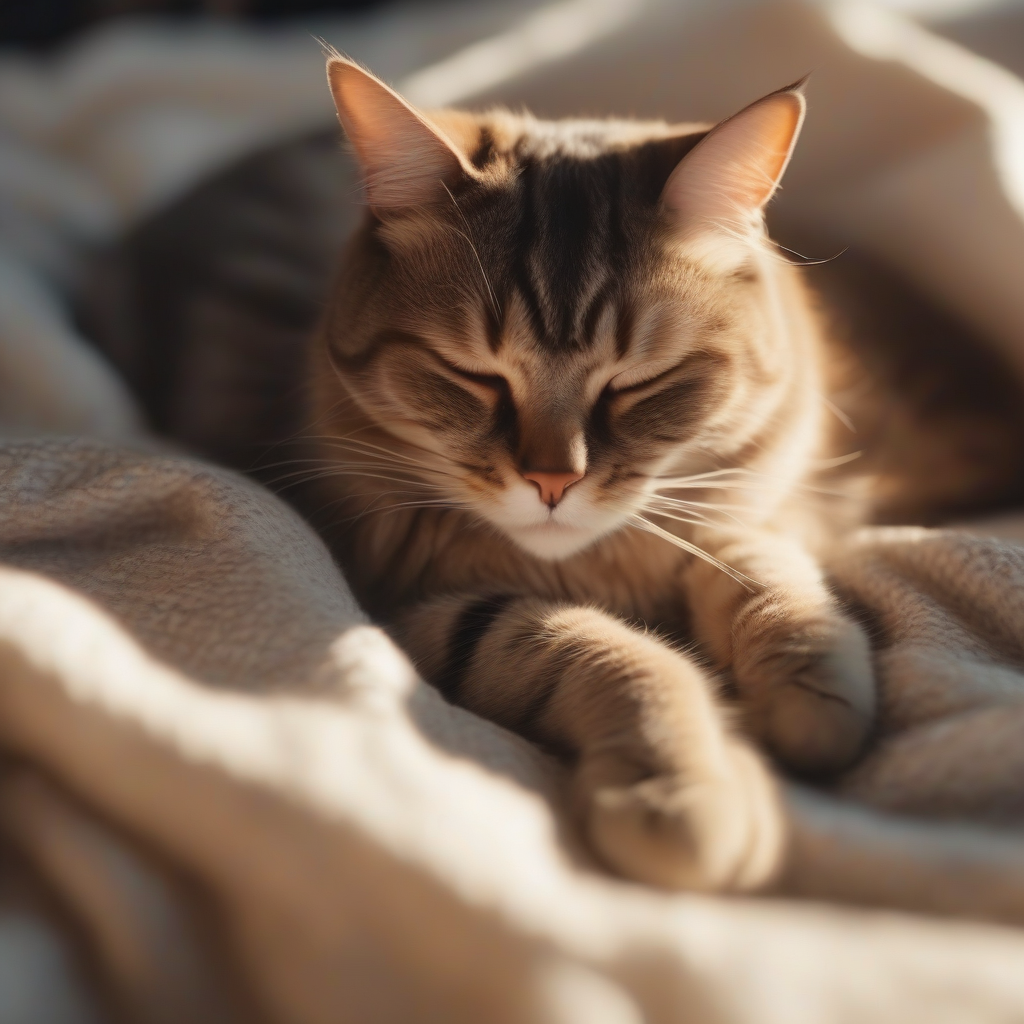
March 2026's Enigmatic Secret: Your Cat's Deep Sleep World and the Art of Healthy Napping
As we enter March 2026, the place of our cats in our lives is more precious than ever. While we continue to unravel their mysterious worlds, one of their most striking and perhaps most curious characteristics is undoubtedly their sleeping habits. Why do cats sleep so much? What do they experience during their sleep? And as owners, what can we do to ensure they have a healthy sleep routine? In this detailed guide, we will delve into the deep sleep world of cats in light of current March 2026 trends, examining their art of napping from scientific and practical perspectives.
Why Do Cats Sleep So Much? An Evolutionary Perspective
The average cat spends 12 to 16 hours a day sleeping. This means they spend approximately 70% of their lives asleep! The primary reason behind such long sleep durations is their predatory nature. In the wild, they needed rest to conserve energy for hunting. Our domestic cats carry this genetic legacy. They balance intense, short hunting periods with long periods of rest. Therefore, seeing a cat in a deep sleep in the most comfortable corner of the house is a perfectly normal behavior, consistent with their nature.
The Scientific Cycle of Cat Sleep: Are They Dreaming?
Like humans, cats go through different sleep stages. These can generally be divided into non-rapid eye movement (Non-REM) sleep and rapid eye movement (REM) sleep:
Non-REM Sleep
This stage is typical for cats' short naps and light sleep. Their ears are alert, muscles relaxed, but they can still react quickly. They can wake up instantly with a noise or movement. This is part of their instinct to be ready for potential danger at any moment. During this period, cats rest their muscles and store energy.
REM Sleep
REM sleep is the stage where dreams occur, and in cats, similar to humans, eye movements, muscle twitching, and soft meows can be observed. Scientists believe that cats might be reliving hunting, playing, or daily interactions in their dreams during REM sleep. This stage is critical for mental rejuvenation and the consolidation of learned information. If you see your cat's paws twitching or whiskers moving while they sleep, they are likely deep in a dream.
Decoding Your Cat's Sleeping Positions: What Do They Mean?
Cats' sleeping positions offer clues about their comfort levels and overall moods. There are meanings behind the funny or adorable sleeping positions we frequently see in viral cat content of March 2026:
- Curled Up Ball: One of the most common positions. It conserves body heat and makes them feel secure. It's especially preferred in colder weather.
- Stretched Out on Their Side: A sign that your cat feels completely safe and comfortable. It's one of the most vulnerable positions, so they only sleep this way in environments they trust deeply.
- On Their Back, Belly Exposed: Indicates complete relaxation, happiness, and security. It's proof of how much your cat trusts you and its surroundings. This is one of the most shared funny sleeping positions on viral media.
- Sleeping with Alert Eyes: This usually occurs during Non-REM sleep. Your cat remains vigilant and continues to sense what's happening around them.
- Sleeping in High Places: Cats love high places to observe potential dangers from a distance and feel secure. Cat trees or shelves are ideal for this.
March 2026's Smart Solutions: Create the Purr-fect Sleep Haven for Your Cat
Providing the right environment is crucial for your cat to get quality sleep. March 2026 trends aim to enhance our feline friends' sleep quality by combining technology and comfort:
- Variety of Sleeping Spots: Offer multiple, different types of sleeping areas around the house (soft beds, tunnels, high shelves, window perch cushions). Cats love to change their sleeping spots according to their mood.
- Smart Heated Beds: For older cats or those with joint pain, smart beds with adjustable temperatures provide comfort during cool spring nights.
- Calming Pheromone Diffusers: For stressed cats, calming pheromone diffusers can make the sleeping environment more peaceful.
- Sleep Tracking Devices (Wearable Tech): Next-generation wearable devices can track your cat's sleep patterns, deep sleep durations, and activity levels, aiding in the early detection of potential health issues. With this data, you can have more informed discussions with your vet.
Sleep Disturbances: When to Worry?
If you notice sudden or dramatic changes in your cat's sleeping habits (excessive sleeping, insomnia, restless sleep), it could be a sign of a health problem. Stress, pain, hyperthyroidism, or other health issues can affect your cat's sleep pattern. In such cases, always consult your veterinarian.
March 2026's Viral Cat Sleep Moments: Capture the Cuteness!
Funny and adorable cat sleeping moments are always popular on social media. Capture moments where your cat sleeps in odd positions, unexpected places, or snuggled with other pets. When sharing these moments, always ensure your cat's comfort and privacy are prioritized. Remember, our cats' sleeping habits are their most natural and innocent states.
Understanding your cat's sleep world is a wonderful way to strengthen your bond and support their overall health. Enjoy your furry friend's peaceful slumbers in March 2026!