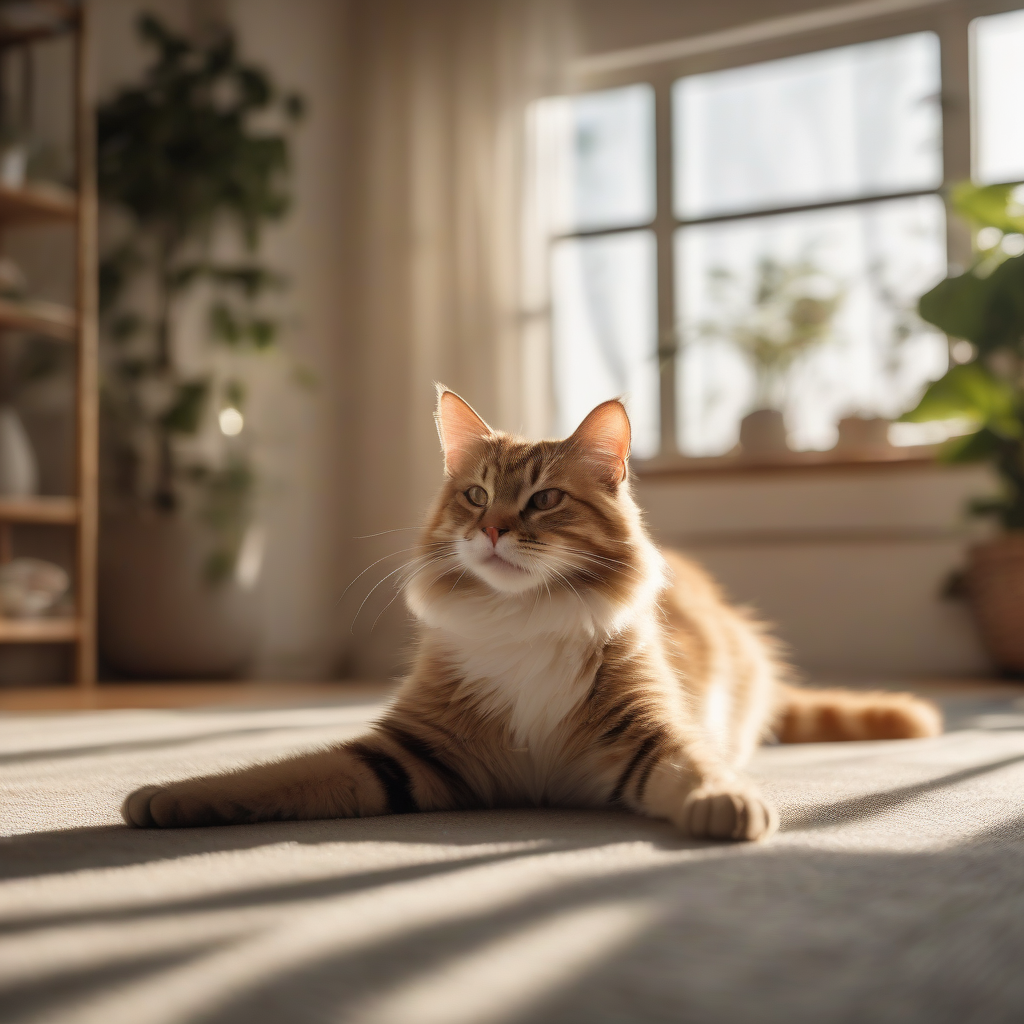
March 2026's Flexibility Revolution: The Art of Your Cat's 'Meow-Yoga'! 7 Scientific Movements to Maximize Your Feline Friend's Flexibility and Joint Health!
It's March 2026, and as the energy of spring fills the air, a period of renewal and vitality begins for our feline friends. The recently popular concept of "Meow-Yoga" aims to support both the physical and mental health of cats by transforming their natural stretching and flexing movements into a conscious routine.
As pet parents, we want our cats not only to be well-fed but also to lead an active and flexible life. In this guide, we will explore in detail how you can enhance your furry friend's flexibility, joint health, and overall quality of life with 7 "Meow-Yoga" movements inspired by your cat's natural instincts. Get ready to discover these scientific approaches to ensure your cat enters spring in top shape and stays healthy for many years to come!
Why is Your Cat's Flexibility So Important?
Cats, having evolved as natural predators, are incredibly agile and flexible animals. However, their lifestyle in a domestic environment and age factors can gradually diminish this natural flexibility. Flexibility plays a critical role in ensuring cats live a healthy and pain-free life.
Protecting Joints and Quality of Life
Flexible muscles and connective tissues reduce pressure on joints, increase range of motion, and minimize the risk of age-related joint conditions like arthritis. Regular stretching accelerates blood flow, aiding tissue nourishment and keeping muscles strong. This allows your cat to jump, climb, and play more comfortably.
Mental Stimulation and Stress Reduction
Physical activity is beneficial not only for the body but also for the mind. Stretching and gentle movements keep your cat mentally engaged, alleviate boredom, and reduce stress. Such activities can help release endorphins, improving your cat's overall mood. Especially as spring can bring stress factors like shedding and allergies, mental relaxation is paramount.
Meow-Yoga: Combining Your Cat's Natural Movements with Science
Meow-Yoga does not mean forcing cats into human yoga positions. On the contrary, it involves observing your cat's natural stretching, reaching, and flexing movements that they already perform daily, then consciously encouraging them to maximize the benefits of these movements. Scientifically, such stretching movements have been proven to improve muscle tone, coordination, and circulation. Our goal is to provide a more enriching experience by understanding their instinctual behaviors.
7 Yoga-Inspired Flexibility Movements for Your Furry Friend
Observe your cat's natural stretching routines and try to encourage the yoga-inspired movements listed below. Each movement targets specific muscle groups in your cat, supporting their overall flexibility and joint health.
1. "Cobra Pose" Inspiration: The Morning Stretch
- How Cats Do It: As soon as they wake up, cats extend their front paws forward, arch their backs slightly, and stretch their hind legs, flexing their entire body. This movement resembles the cobra pose in human yoga.
- How to Encourage It: Watch for moments when your cat wakes up. You can gently accompany their stretch with light touches on the lower part of their spine. Provide a comfortable space for them to stretch when they wake up.
- Benefits: Increases spinal flexibility, works abdominal muscles, accelerates blood circulation, and helps them start the day feeling vital.
2. "Downward-Facing Dog" Equivalent: Back and Tail Stretch
- How Cats Do It: Cats often keep their hind legs stable, lower the front part of their body towards the ground, and bow their heads down. Their tail remains arched upwards like a spring. This is the feline version of the downward-facing dog pose in human yoga.
- How to Encourage It: Use a toy or laser pointer to gently guide your cat's front paws forward, encouraging them to perform this stretch.
- Benefits: Strengthens spine and hind leg muscles, increases tail base flexibility, and reduces stress.
3. "Cat Pose": Spinal Flexibility
- How Cats Do It: Cats sometimes significantly arch their backs, tuck their tails between their legs, and lower their heads towards the ground. Then, they reverse the arch, dipping their backs and raising their heads. This is the basis of the cat/cow pose in human yoga.
- How to Encourage It: While playing with your cat, you can encourage them to perform this natural movement by having them follow you. You can also trigger this stretch by gently massaging their back while grooming.
- Benefits: Maximizes spinal flexibility, supports digestion, and reduces tension.
4. "Side Stretch": Torso Mobility
- How Cats Do It: Cats sometimes stretch their torsos and side muscles by reaching to one side. This movement targets the oblique muscles and the sides of the spine.
- How to Encourage It: Encourage your cat to lie in a favorite spot (e.g., a window sill) and allow them to stretch comfortably to one side. You can support them by gently stroking that area.
- Benefits: Strengthens torso muscles, increases lateral spinal flexibility, and supports overall mobility.
5. "Shoulder Stretch": Pre-Hunt Preparation
- How Cats Do It: Before hunting or playing, cats often stretch their shoulders and front paws extensively, extending their bodies close to the ground. This stretches the shoulder and back muscles.
- How to Encourage It: Hold a toy close to the ground to encourage your cat to get into a "hunting position." In this position, they will naturally stretch their shoulders and front legs.
- Benefits: Strengthens shoulder and back muscles, increases flexibility, and satisfies hunting instincts.
6. "Paw Opening": Paw and Leg Flexibility
- How Cats Do It: As soon as they wake up or while relaxing, cats open and close their paws, extending and retracting their claws. This movement stretches the paw muscles and lower leg joints.
- How to Encourage It: When your cat is on your lap or lying next to you, gently massage their paws or lightly rub their paw pads to encourage this movement.
- Benefits: Reduces tension in paw and leg joints, accelerates blood flow, and supports nail health.
7. "Lazy Stretch": Full Body Relaxation
- How Cats Do It: Cats often lie down and stretch their entire bodies as long as possible. This is a general relaxation movement that stretches all muscle groups.
- How to Encourage It: Create a sunny, warm, and quiet corner in your home for your cat. Give them space to relax, stretch lazily, and unwind there.
- Benefits: Relaxes all body muscles, provides mental tranquility, and enhances overall well-being.
Tips for Establishing a Meow-Yoga Routine
Establishing a Meow-Yoga routine with your cat is a process that requires patience and observation. Here are some important tips:
Capture Natural Timing
Cats typically stretch when they wake up from sleep or after a rest break. These are the most opportune times to encourage Meow-Yoga movements.
Use Rewards and Encouragement
Their favorite treats, gentle petting, or short play sessions can encourage your cat to perform these movements. Positive reinforcement is always the best approach.
Provide a Safe Environment
Work in an environment where your cat feels comfortable and safe. Avoid slippery surfaces and reduce the risk of falls.
Never Force It
Never force your cat into a position. Meow-Yoga is about allowing your cat to move comfortably within their natural limits. Stop at any sign of resistance or discomfort.
Consult Your Veterinarian
Always consult your veterinarian before starting a new exercise routine, especially for older cats or those with any health issues.
Conclusion
This "Meow-Yoga" trend of March 2026 offers a wonderful investment not only for your cat's physical but also mental health. By understanding and consciously encouraging your cat's natural stretching and flexing movements, you can help them lead a more flexible, happier, and longer life. Prepare your furry friend for the energy of spring with these 7 yoga-inspired movements and strengthen the bond between you. Remember, a happy and vital cat means a happy home!