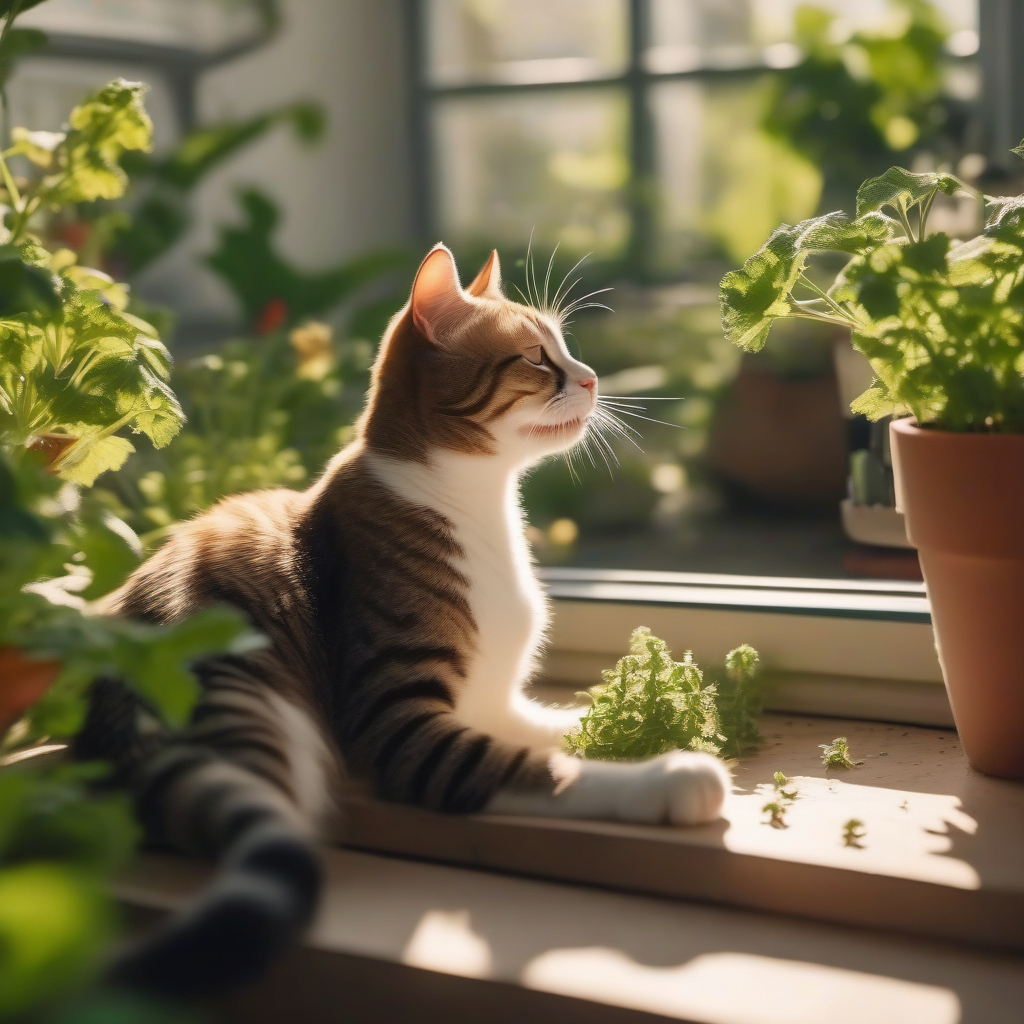
March 2026's Green Trend: Create Your Cat's Own 'Catnip Paradise' at Home! 7 Steps to Organic Spring Joy and Mental Stimulation
As of March 2026, a growing trend among pet owners is emerging: creating "catnip paradises" at home that both stimulate natural instincts and provide fun and health benefits for their felines. With spring's arrival after the gray days of winter, one of the most natural ways to boost your cat's energy and mental vitality is to offer them their very own organic catnip garden. In this guide, you will learn how to easily set up a catnip paradise for your furry friend in 7 steps.
Catnip: More Than Just a Plant
Catnip (Nepeta cataria) is known as a magical plant for cats. The compound it contains, nepetalacton, stimulates cats' olfactory receptors, leading to various behavioral responses such as euphoria, playfulness, or calm. This plant not only provides entertainment but also significantly contributes to your cat's mental and physical health:
- Stress Reduction: For some cats, it has a calming effect, alleviating anxiety and stress.
- Mental Stimulation: It activates cats' hunting and exploration instincts, offering an enriching environment.
- Exercise Encouragement: It encourages play, increasing physical activity and helping with weight management.
- Supports Natural Behaviors: It promotes natural cat behaviors like sniffing, rubbing, and rolling.
With the refreshing energy of March, now is the perfect time to add this natural wonder to your cat's spring routine!
Step 1: Choose the Right Type of Catnip
While Nepeta cataria is the most common form of catnip, various cultivars and other cat-safe herbs are also available. Catnip, found as seeds or seedlings, can affect your cat with varying intensity depending on their reaction. Additionally, some cats may not respond to catnip at all; in this case, you can try alternatives like cat grass (Hordeum vulgare) or silver vine (Actinidia polygama). Starting from seeds can be an economical and rewarding option for beginners.
Step 2: Determine the Ideal Location for Your Paradise
Catnip thrives in areas with at least 5-6 hours of direct sunlight per day. A windowsill, balcony, or a well-lit corner in your home would be ideal. Pot selection is also important; choose a pot that is at least 15-20 cm deep with drainage holes to allow the plant's roots to develop comfortably. Drainage is vital to prevent root rot.
Step 3: Soil and Planting Process
Using organic, well-draining potting soil is best for healthy catnip growth. If you are planting seeds, place them about 0.5 cm deep in the soil, spacing them 5-10 cm apart. For seedlings, dig a hole appropriate for the seedling size and gently place it. After planting, lightly pat the soil and water for the first time. The soil should remain moist but never waterlogged.
Step 4: Care and Growing Secrets
Catnip is relatively easy to care for. Water when the top layer of soil feels dry. Avoid overwatering. During the growing season, using an organic liquid fertilizer once a month can help the plant growbushier. For pest control, opt for natural solutions like neem oil instead of chemical pesticides. When your plant reaches 15-20 cm in height, you can prune the top leaves to encourage more branching and maintain freshness.
Step 5: Harvest and Drying Time
When your plant is mature enough (usually 2-3 months after planting), you can harvest its leaves and flowers. The best time to harvest is when the plant begins to flower, as nepetalacton levels are highest during this period. You can dry the harvested parts by hanging them upside down in a well-ventilated, dark, and dry place. Once completely dry (approximately 1-2 weeks), store them in an airtight container to preserve their freshness for a long time.
Step 6: Safe Interaction with Your Cat: How to Use Catnip?
You can offer catnip to your cat in various ways:
- Fresh Leaves: Place fresh leaves directly from the pot in front of your cat.
- Dried Catnip: You can stuff dried catnip into toys, sprinkle it on scratching posts, or lightly scatter some on your cat's bed.
- Catnip Sprays: You can spray catnip sprays, available at pet stores, on items you want to attract your cat's interest.
An important note: always use catnip in moderation. Overuse can lead to desensitization in your cat. A few short sessions per week will suffice. Remember that not all cats react the same way to catnip; some may show no interest at all, which is perfectly normal.
Step 7: Tips for a Continuous Spring Celebration
To keep your cat's catnip paradise vibrant, you can grow catnip in different pots to ensure a continuous supply of fresh leaves, or regularly prune existing plants to encourage new shoots. Additionally, you can enrich your cat's sensory experience by adding other cat-friendly herbs like wheatgrass, barley grass, or oat grass alongside catnip. These plants aid digestion and provide a safe chewing alternative for your cat.
Conclusion
With this green trend of March 2026, you can boost your cat's spring energy and mental stimulation in the most natural way. Creating your own 'Catnip Paradise' at home will be both a delightful hobby for you and an endless source of fun and happiness for your furry friend. With this 7-step guide, activate your cat's instincts and give them an unforgettable experience during the most beautiful season of the year!