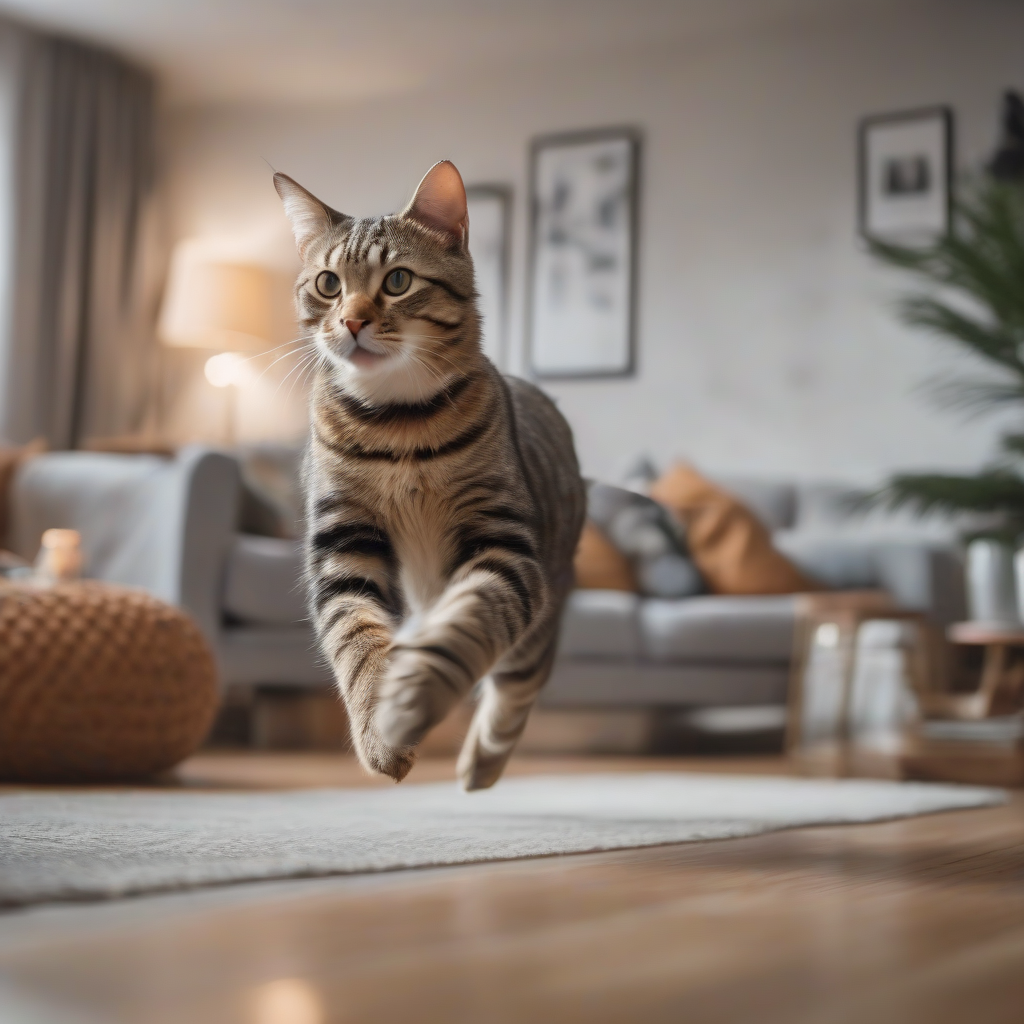
It's March 2026, and our social media feeds are overflowing with viral moments from our feline friends – sometimes surprising, sometimes hilarious. Cats are the undisputed kings and queens of the internet, yet the scientific truths behind their funniest or most mysterious behaviors often go unnoticed. As Sen YuDo Pet, in line with the spirit of this month, we will delve deeper into your cat's 'viral moments,' explaining why they behave the way they do with scientific insights. This guide will help you strengthen your bond with your cat and better understand their world.
Viral Cat Behaviors: Their Meanings and Scientific Explanations
Although cats have lived with humans for thousands of years, some wild instincts and evolutionary habits in their nature shape their unique behavioral repertoire. Here are the most talked-about and intriguing cat behaviors in March 2026:
1. 'Zoomies' or Midnight Scampers: The Reality Behind Energy Bursts
Cats suddenly rushing wildly around the house, climbing walls, and leaping over objects in an abrupt burst of energy have become a social media phenomenon known as 'zoomies.' Scientifically termed 'Frenetic Random Activity Periods' (FRAPs), this behavior is a way for cats to release accumulated energy. Their occurrence, especially in the evening or at midnight, is part of cats' natural hunting cycles. Cats, who store energy by sleeping during the day, feel the need to discharge this energy during natural hunting hours, such as dusk and dawn. This is a completely healthy and natural behavior.
2. 'Kneading' or 'Making Biscuits': A Soft Touch of Love and Trust?
Have you ever witnessed your cat 'kneading' a blanket, pillow, or even you with their front paws when you hold them or they relax next to you? This adorable behavior is known as 'making biscuits' and is an instinct leftover from kittenhood. Kittens knead their mother's belly to stimulate milk flow while nursing. In adult cats, this behavior emerges when they feel safe, comfortable, and loved. It is a strong sign that they are bonding with you and trust you. Their purring during kneading further reinforces this feeling.
3. 'The Thousand-Yard Stare': The Secret of Gazing into the Distance
Your cat suddenly staring into space, eyes fixed, focusing on a single point for minutes... Having a deep gaze as if they are seeing something invisible is called 'the thousand-yard stare.' This often occurs when cats are trying to perceive the slightest movement or sound in their surroundings with their keen senses. Dust particles floating in the air, the sound of a bird outside the window, or frequencies beyond human hearing can all capture your cat's attention. This is a reflection of their natural predatory instincts, indicating they are alert at all times.
4. Box Obsession: The Quest for a Safe Haven
Your cat immediately jumping into an empty box, even trying to squeeze into one many times smaller than itself, is one of the internet's most classic cat memes. This fondness for boxes stems from their need to feel secure. Enclosed and narrow spaces provide a sense of protection from potential threats approaching from behind when they are in a predatory position. Additionally, boxes offer warmth and comfort. In stressful situations or a new environment, a box can be a perfect refuge for your cat.
5. Pushing Objects Off High Places: Attention-Seeking and Play Instinct
Your cat slowly nudging a glass off the edge of a table or an object off a nightstand with its paw is a behavior many cat owners encounter, sometimes frustratingly. There can be several reasons for this behavior. The most common is the desire for attention. Cats may resort to such actions to get their owner's attention, even if it elicits a negative reaction. Another reason is their hunting instinct; they may perceive the object's fall and movement as prey and want to play with it. When your cat exhibits this behavior, you can redirect its energy by interacting with it or offering new toys.
Why is Understanding These Behaviors Important?
Understanding every behavior, 'viral' or not, allows you to form a deeper bond with your cat. These behaviors often carry clues about your cat's physical or mental health. For example, a cat doing 'zoomies' more than usual might not be getting enough exercise or might be bored. Constant uneasy kneading could be a sign of stress. Knowing the reasons behind the behaviors helps you provide a more suitable living environment and detect potential problems early.
What Can You Do for Your Furry Friend's Happiness?
- Environmental Enrichment: Provide climbing structures, hiding spots, and interactive toys that satisfy your cat's natural predatory instincts. Vertical spaces and running tracks can work wonders, especially for 'zoomie'-prone cats.
- Regular Play Sessions: Ensure your cat expends energy with interactive play sessions lasting 10-15 minutes, at least twice a day. Wand toys, lasers (use with caution), balls, and puzzle toys will be effective here.
- Safe Spaces: Keep boxes, carriers, or special beds available where your cat can retreat during stressful moments. This is crucial, especially for cats with a 'box obsession.'
- Patience and Observation: Patiently observe your cat's behaviors. Understanding what situations trigger specific behaviors will help you be a better companion to them. Every cat is an individual and has its own unique 'viral moments.'
In March 2026, enjoy your cat's most adorable, funniest, and most mysterious behaviors. When you make an effort to understand them, they will offer you endless love and entertainment. Remember, every 'viral' cat moment is actually a reflection of their rich inner world.