March 2026's Viral Solution: 7 Smart 'Paw-Protocol' and Home Preparation Secrets to Reduce Your Cat's Vet Anxiety!
While cats are mysterious and elegant creatures, they can be quite sensitive to out-of-routine situations. Vet visits, in particular, can become a stressful experience for many cats and their owners. From struggles to get into the carrier to the unfamiliar smells and sounds of the clinic, every step can cause anxiety in your furry friend. However, in March 2026, we're approaching this age-old problem with a brand-new, scientifically-backed, and viral solution: the 'Paw-Protocol'. This revolutionary approach includes 7 smart steps designed to fundamentally resolve your cat's vet anxiety.
Why is Vet Anxiety So Common?
Cats are creatures of habit, extremely sensitive about their territory. Unfamiliar environments, strange smells, loud noises, and forced physical contact go against their natural instincts and quickly elevate their stress levels.
Cats' Sensory Sensitivity
Cats' senses of smell and hearing are far more developed than humans'. The disinfectant smells in the clinic, pheromones from other animals, and high-frequency sounds from ultrasound machines can be overstimulating and uncomfortable for cats, triggering their anxiety.
Loss of Control and Uncertainty
Being confined to a carrier, driven in an unfamiliar vehicle, and then taken to an environment they cannot control disrupts a cat's innate need for control. This causes them to feel vulnerable and exhibit fear responses. As a cat owner, it's within your power to reduce this anxiety and make vet visits less traumatic for both you and your cat.
What is March 2026's Revolutionary 'Paw-Protocol'?
The 'Paw-Protocol' is not just a set of tips, but a holistic system that combines cat behavior science, environmental enrichment, and positive reinforcement. Its goal is to transform vet visits from a 'threat' into a 'manageable routine.' This protocol is based on the philosophy of building a long-term relationship and prioritizing your cat's mental well-being.
7 Smart 'Paw-Protocol' Secrets to Reduce Your Cat's Vet Anxiety
Here are 7 scientifically proven smart strategies, as of March 2026, to make your cat's vet visits more peaceful:
1. Carrier as a Comfort Zone: 'A Corner of Home'
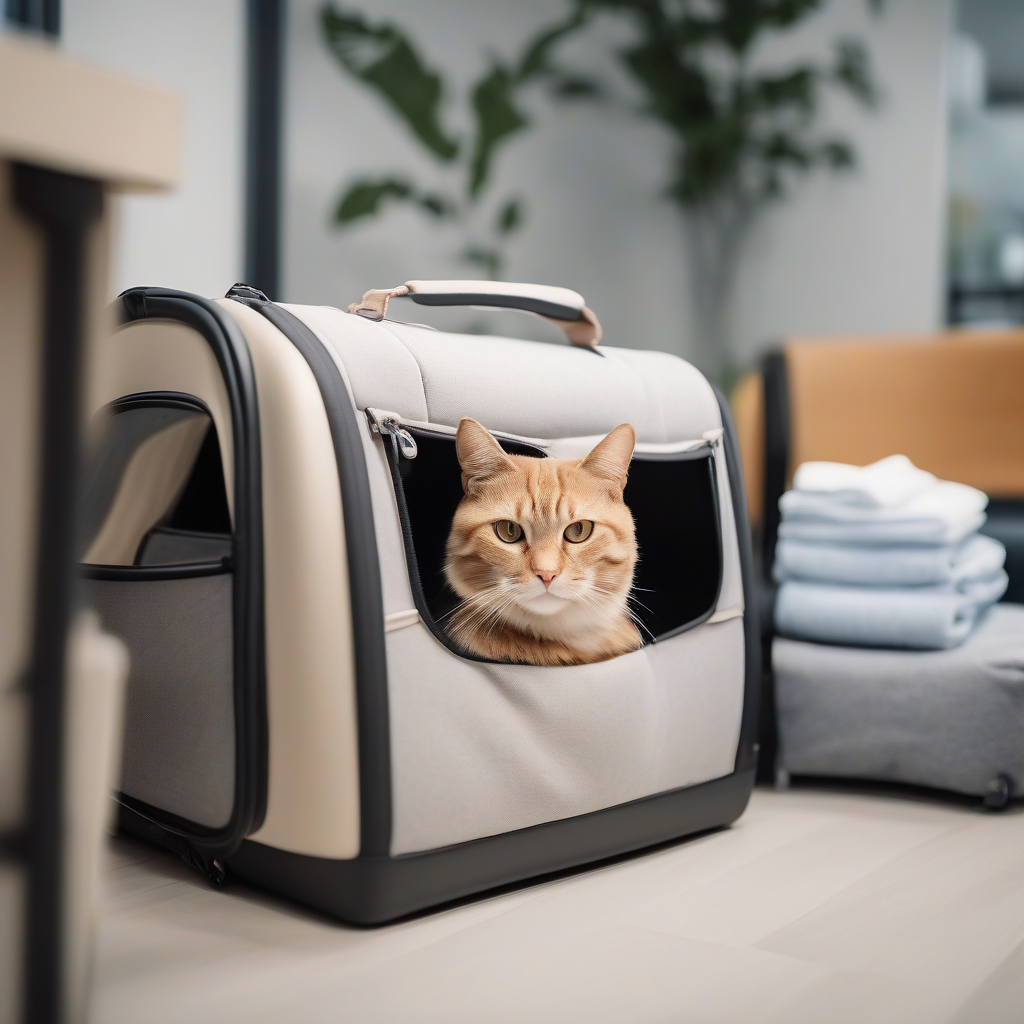
Transform the carrier from just a vet visit tool into a familiar, comforting space. Keep the carrier open in a corner of your home, with a soft blanket, favorite toys, and even some food or treats inside. Encourage your cat to view the carrier as a safe and comfortable napping or resting spot. Allow them to enter and exit regularly, rewarding this behavior. Applying pheromone sprays inside the carrier can also help soothe your cat.
2. Positive Reinforcement and Play-Based Introduction
Shape your cat's association with the carrier and car through positive experiences. Initially, reward them for entering the carrier and staying for short periods. Then, take short walks around the house with the carrier, rewarding them. Next, place the carrier in the car, stay for a few minutes (without starting the engine), and reward them again. Gradually extend these steps, turning car rides into a fun and safe activity before even heading to the vet clinic. Remember, don't rush; progress at your cat's pace.
3. Scent Synchronization: Calming Pheromones and Familiar Scents
In the cat's world, scent is fundamental to communication. A vet clinic contains many smells your cat doesn't recognize and likely finds stressful. To counterbalance this, apply synthetic pheromone sprays (e.g., Feliway) to the carrier and even on your cat (after consulting your vet) before the visit. Additionally, placing a blanket your cat has slept on or marked with their scent into the carrier creates a familiar and reassuring olfactory environment. Even a worn t-shirt carrying your scent can work wonders.
4. 'Mini-Exam' Simulations: Safe Touches at Home
One of the most stressful parts of a vet visit is the examination. To prepare your cat, practice 'mini-exam' simulations at home. When your cat is calm and relaxed, gently touch their ears, paws, mouth, and abdomen. Keep each touch brief and follow it with a treat or a favorite game. This will help your cat perceive these types of touches as less threatening and increase their tolerance for the vet's handling. Regular practice of these exercises will make a significant difference in the long run.
5. Smart Choices in Vet Clinic Selection
Many veterinary clinics today are 'Cat Friendly Certified.' These clinics understand the specific needs of cats and have environments designed to reduce stress levels. Separate waiting areas, calming rooms, cat-specific examination tables, and low-stress handling techniques are standard in these clinics. Discuss the clinic's cat-friendly practices with your vet, or if possible, choose such a clinic. Working with a veterinarian who is attuned to your cat's individual needs is a vital part of the Paw-Protocol.
6. Appointment Timing and Communication Strategies
Schedule your appointment for a time when the clinic is less busy to minimize waiting. As soon as you arrive at the vet clinic, call the reception to inquire if they are ready, and if convenient, request to go directly to the examination room to avoid contact with other animals. Inform your veterinarian and technicians beforehand about your cat's anxiety level. Share what touches or situations your cat is most sensitive to. Open communication will ensure the team approaches your cat in the most appropriate and gentle way.
7. Post-Vet Visit 'Homecoming Ritual'
When the vet visit concludes, it's important to end your cat's experience on a positive note. Upon returning home, allow them to exit the carrier at their own pace and settle into a quiet corner. Offer their favorite treat or a special toy immediately. Gently brushing your cat or wiping them with a clean cloth to remove clinic scents can also be helpful. Avoid immediately cuddling or giving excessive attention after a vet visit; allow your cat to decompress on their own. Observe and wait for them to return to their normal routines.
A Look into the Future with Paw-Protocol
The 'Paw-Protocol' is not a one-time application but a care philosophy you'll maintain throughout your cat's life. By consistently applying these strategies, you can gradually change your cat's reaction to vet visits, boost their confidence, and improve their overall quality of life. Remember, patience and consistency are key to this process. Embrace this viral trend in March 2026 to strengthen your bond with your furry friend and offer them a more peaceful future!
By incorporating these smart steps into your life, you can transform vet visits from a mere necessity into a regular, stress-free ritual for your cat's health and well-being. Try it and see the difference for yourself!