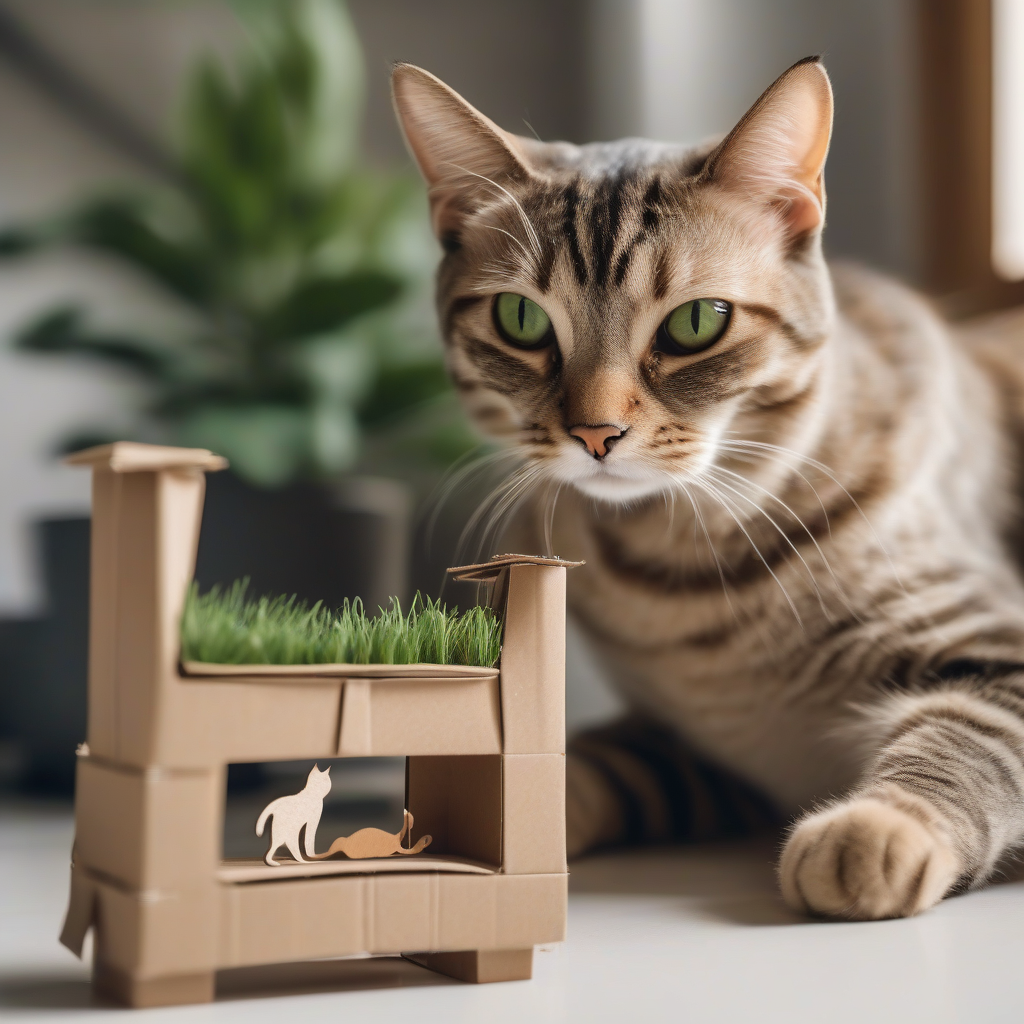
March 2026: A Sustainable Lifestyle for Your Cat – Eco-Friendly Products and DIY Ideas
As we enter March 2026, the concept of sustainability in the pet world is gaining more importance than ever. As conscious consumers, we are looking for ways to minimize our impact on the planet while ensuring the happiness of our furry friends. In this guide, you will discover eco-friendly products that will improve your cat's quality of life and learn how to create a sustainable cat care routine with easy-to-implement DIY ideas at home.
Why Sustainable Cat Care?
Sustainable cat care is not just an environmental responsibility; it also offers benefits for your cat's health and long-term well-being. Traditional pet products can leave a significant environmental footprint from production to consumption. The chemicals in these products can also pose potential risks to your cat's sensitive system. By opting for eco-friendly alternatives, you ensure:
- Reduced Environmental Impact: Less waste generation, lower energy consumption, and preservation of natural resources.
- Protection of Your Cat's Health: A healthier life with natural ingredient products free from chemical additives.
- Long-term Savings: Contribution to your budget with DIY products and durable, quality materials.
Guide to Eco-Friendly Cat Products
Today's market is brimming with sustainable options. Here are some categories of eco-friendly products you can choose for your cat:
Food Choices: Planet-Friendly Nutrition
Your cat's diet forms the foundation of a sustainable lifestyle. Now, not only high protein but also the environmental impact of food production is taken into account:
- Organic and Locally Sourced Foods: Pesticide- and chemical-free foods, sourced from local producers, reduce the carbon footprint from transportation.
- Insect-Based Proteins: Considered the food of the future, insect-based foods use significantly less water and land than traditional meat production, are rich in protein, and are hypoallergenic.
- Sustainable Fishing Certified Foods: When choosing fish-containing foods, be sure to select brands that use seafood caught with sustainable fishing methods.
- Minimal Packaging: Reduce your waste by choosing foods with recyclable or compostable packaging.
Ecological Cat Litter Alternatives
Traditional bentonite clay is obtained through mining processes and takes a long time to decompose in nature. Fortunately, more sustainable alternatives are available:
- Corn and Wheat-Based Litters: Natural, clumping, and easily biodegradable, these litters are often flushable (check local regulations).
- Recycled Paper Litters: Made from waste paper, these litters are eco-friendly and generally dust-free.
- Wood Pellets: Made from wood waste, wood litters provide natural odor control and are compostable.
Sustainable Toys and Beds
You can also make your cat's play and sleep areas green:
- Toys from Natural Materials: Toys made from natural fibers such as wool, organic cotton, hemp, or bamboo are safe for your cat and eco-friendly.
- Recycled Materials: Toys and beds made from recycled plastic or fabric help in waste utilization.
- Handmade and Second-Hand Products: You can support local artisans or find clean, quality cat beds and scratching posts from second-hand stores.
Natural Grooming Products
The ingredients in products used for your cat's hygiene are also important:
- Natural Shampoos and Conditioners: Opt for plant-based products free from perfumes, parabens, sulfates, and artificial colorants.
- Bamboo Combs and Brushes: Reduce your plastic consumption by using grooming tools with bamboo or wooden handles instead of plastic.
Zero Waste with DIY Ideas
With easy-to-implement DIY projects at home, you can both express your creativity and reduce waste.
Toys from Recycled Materials
- Toilet Paper Rolls and Cardboard Toys: Cut empty toilet paper rolls to make small treat-hiding games or create labyrinths and tunnels from cardboard boxes.
- Fringed Toys from Old T-shirts: Cut unused old T-shirts into strips and tie them to make fringed toys or mice that your cat will love.
Homemade Cat Beds and Scratching Posts
- Soft Beds from Old Sweaters: You can sew a cozy bed for your cat by stuffing an old sweater you no longer wear with fiberfill or old fabric scraps.
- Scratching Areas from Cardboard Boxes: Stack sturdy cardboard boxes, glue them together, and wrap them with old rope to create economical and eco-friendly scratching posts.
Natural Cleaning Solutions
- Vinegar and Baking Soda: Use chemical-free mixtures of vinegar and baking soda to clean your cat's living space. They are particularly effective for odor removal.
Other Ways to Reduce Your Cat's Carbon Pawprint
A sustainable lifestyle is not limited to product choices. Small changes in your general habits can also make a big difference:
- Water and Energy Conservation: Avoid waste when regularly refilling your cat's water bowl. If you use electric cat toys or heated beds, choose energy-efficient models or limit their usage time.
- Avoid Unnecessary Purchases: Refrain from buying products you don't need or that your cat won't use. Invest in quality and durability.
- Support Local Shelters: Consider adopting from local shelters when acquiring a pet. This not only gives a home to an animal but also helps prevent overpopulation.
Conclusion
Adopting a sustainable lifestyle for your cat in March 2026 not only fulfills our responsibility towards the environment but also significantly contributes to your cat's health and happiness. By choosing eco-friendly products and reducing waste with creative DIY ideas, you can offer a better future for both your furry friend and our planet. Remember, every small step is the beginning of a big change!