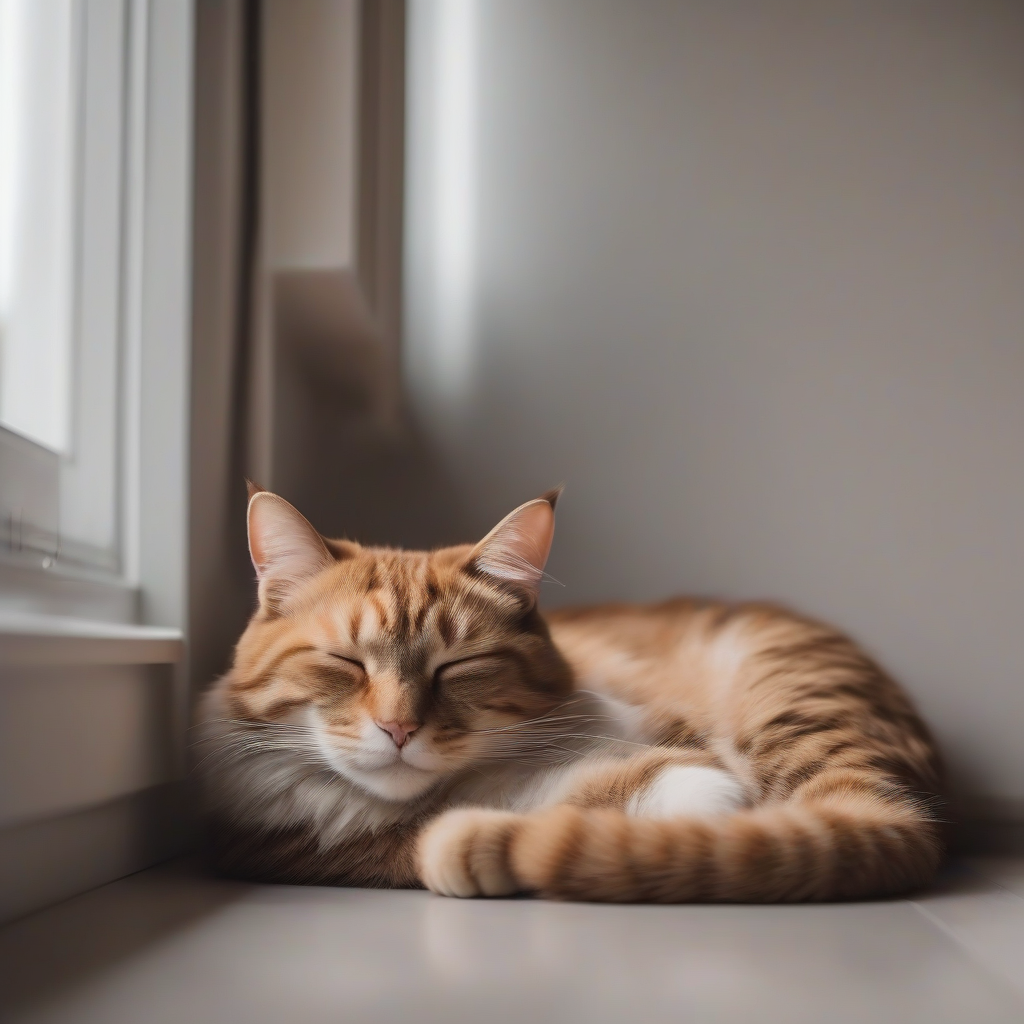
The Silent Revolution of March 2026: The Art of Discovering Your Cat's Inner Peace – A Guide to Creating Noise- and Stress-Free Living Spaces
As of March 2026, a brand-new trend is emerging in the pet world: the "Silent Revolution." The effects of city life, crowded living spaces, and ever-increasing digital noise on our cats are now being discussed more than ever. To protect the inner peace of our sensitive companions and minimize their stress levels, creating special living spaces free from noise and overstimulation has become one of the most important aspects of modern cat ownership. This guide details how you can design a tranquil haven that appeals to your cat's soul, step by step.
Why Do Cats Need Silence?
Cats possess a much more sensitive sense of hearing than humans. Everyday household sounds – television, vacuum cleaners, loud music, car horns from outside, or heavy human traffic – can be overstimulating and even frightening for cats. Constant exposure to noise can lead to chronic stress, anxiety, and behavioral problems in cats. A stressed cat may exhibit symptoms such as excessive grooming, loss of appetite, urinating outside the litter box, avoiding people, or aggression. Therefore, providing them with a safe haven, not only physically but also mentally and emotionally, is crucial.
What is the “Calm Zone” Concept?
For cats, a "Calm Zone" is a dedicated area where they can fully relax, feel safe, and be isolated from the noise of the outside world. This area is not merely a bed or a corner; it's a thoughtful design where environmental factors such as sound, light, and scent are optimized to support your cat's well-being. This helps your cat cope with stress while also establishing a peaceful balance in your home.
Practical Steps for Designing a Calm Zone
1. Choose the Right Location: Your cat's calm zone should be in the least noisy and least trafficked part of the house. If possible, choose a corner where external noise from windows and sudden sounds from doors are minimized. Ensure it is away from noise sources like washing machines, televisions, or children's play areas.
2. Soundproofing Solutions:
- Curtains and Rugs: Thick curtains and soft rugs absorb sound, reducing echo. Using a plush or woolen rug in this area will provide both warmth and sound insulation.
- Furniture Arrangement: Placing heavy furniture like bookshelves or large cabinets close to walls can help prevent sound from entering from outside.
- DIY Panels: Acoustic foam panels or panels covered with thick fabric can be mounted on walls to provide professional sound insulation.
3. Comfort and Privacy:
- High-Quality Bedding: Opt for an orthopedic or self-warming, soft and comfortable cat bed. Enclosed cat houses or tunnels that they can enter make cats feel more secure.
- Hiding Spaces: Cats naturally love to hide. A cat tree, an enclosed cat house, or a high shelf offers them a safe vantage point for observation or a corner where they can conceal themselves.
4. Visual and Olfactory Serenity:
- Soft Lighting: Avoid direct and harsh lighting. Softer, warm-colored lighting or natural indirect light will not strain your cat's eyes and will make them feel more comfortable.
- Scent Neutralization: Steer clear of strong perfumes, air fresheners, or cleaners. Cats are extremely sensitive to scents. Feliway-like pheromone diffusers or natural calming scents such as catnip/valerian root can be used in appropriate and supervised amounts.
5. Quiet Toys and Activities:
- Puzzle Toys: Food-dispensing toys or quiet puzzles that don't make noise but engage your cat mentally are great additions to this area.
- Wand Toys and String Toys: For interactive play, choose lightweight and quiet toys. Playing calm games specifically in the quiet zone creates positive associations.
Technology's Contribution to Peace
As of March 2026, cat-friendly technologies are also contributing to the silent revolution:
- Cat-Friendly White Noise Machines: Devices that emit white noise or nature sounds optimized for cats' hearing frequencies provide a relaxing sleep environment by masking external noise.
- Smart Feeders: Timed and silently operating smart food bowls prevent unnecessary noise during meal times and do not disrupt your cat's routine.
- Quiet Air Purifiers: While protecting your cat's respiratory system, low-decibel air purifiers help keep the environment clean and calm.
Monitoring and Adjustment: Your Cat's Guidance
After creating this calm zone, it is crucial to observe your cat's behavior. Are they using the area? Do they seem more relaxed and peaceful there? Every cat is an individual, and you may need to make adjustments from time to time to understand what works best. Be patient as your cat gets used to this new space and do not force them.
Conclusion
The "Silent Revolution" of March 2026 is proof that our cats are more than just pets; they are sensitive members of our family. Providing them with a peaceful living space, free from noise and stress, enhances their well-being and strengthens your bond with them. By following the steps in this guide, you can create a haven for your furry friend that discovers the pinnacle of inner peace. Remember, a happy cat means a peaceful home.