March 2026's Scent Discovery: 7 Viral Aromatherapy Secrets to Ignite Your Cat's Sensory World
As of March 2026, a rapidly rising trend in the pet world is enriching cats' sensory experiences! Just like humans, cats form deep emotional bonds, relieve stress, and explore their surroundings through scents. This year, especially with the freshness and novelty of spring, we have compiled the most viral and effective aromatherapy methods you can apply to your cats.
Why is Cat Aromatherapy So Important?
Cats' noses are millions of times more sensitive than ours. This highlights how powerful scents are as a communication and emotional tool for them. Research prominent in March 2026 reveals how effective the right scents can be in reducing stress levels, improving sleep quality, and even encouraging playfulness in cats. Let's dive into this mysterious world that will enhance your furry friend's quality of life.
1. Calming Lavender: Stress-Busting Purrs
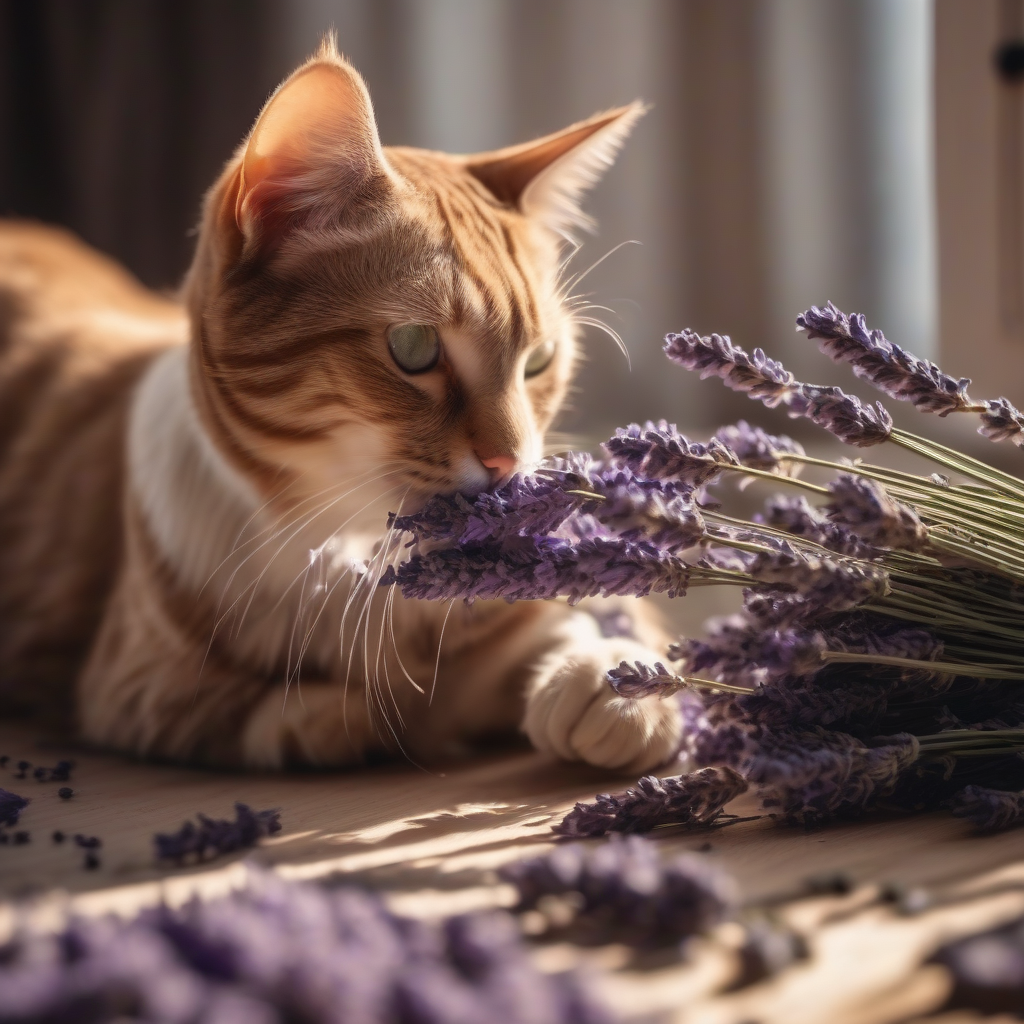
Lavender has a calming effect on cats, just as it does on humans. However, caution is advised! Pure lavender essential oil can be toxic to cats. Therefore, the viral method recommended in March 2026 is to use ultra-diluted lavender hydrosols specifically made for cats or dried lavender flowers. A lavender sachet placed near their bed or lavender hydrosol sprayed around will help your furry friend have a more peaceful sleep.
- Application Tactics:
- Place dried lavender flowers in small, breathable fabric sachets near your cat's sleeping area.
- Lightly spray cat-friendly, diluted lavender hydrosols (mixed with distilled water) in the corners of the room.
2. New Interpretations of Catnip: Energy Bursts and Fun
Catnip is one of the most effective stimulants for cats. The trend in March 2026 focuses on different varieties of catnip and their integration into play. Organic, fresh catnip leaves or specially prepared catnip sprays can make your cat's playtime more exciting.
- Viral Methods:
- Refresh stuffed toys filled with catnip.
- Apply catnip spray to your cat's favorite toys before playtime to increase their desire to play.
3. Valerian Root: A Calming Embrace
Valerian root has a similar, but milder, calming effect on cats compared to catnip. It is useful in stressful situations (like vet visits, the arrival of a new pet). In March 2026, toys and sprays containing organic valerian root extracts are gaining popularity.
- Why Try It?
- Can improve your cat's overall mood.
- Helps calm your cat before veterinary visits.
4. Melissa (Lemon Balm): Serene Purrs
Melissa, with its lemony scent, is relaxing for both cats and humans. With its nerve-calming properties, it's a great option for anxious cats. In March 2026, natural cat products containing melissa are preferred for creating a refreshing atmosphere in cats' living spaces.
- Usage Areas:
- Melissa plant placed near your cat's resting area (ensure it is safe for cats).
- Special diffusers containing melissa (at a low, cat-appropriate concentration).
5. Chamomile: An Innocent Sleep Companion
Chamomile, due to its apigenin content, has calming properties. In March 2026, chamomile hydrosols are recommended, especially for improving the sleep patterns of young kittens or elderly cats. This light and natural aroma can help your cat achieve deeper, uninterrupted sleep.
- Application Tips:
- Place dried chamomile flowers near your cat's bed.
- Lightly mist the air with diluted chamomile hydrosol before bedtime.
6. Local Plant Extracts: Nature's Embrace
In March 2026, in addition to global trends, the use of local and natural plant extracts is gaining importance. Scents from safe local plants (e.g., lemon balm, melissa) obtained from your garden or reliable local sources can help your cat adapt to its environment and establish a natural balance.
- Important Note: Before offering any plant to your cat, always consult your veterinarian and ensure the plant is non-toxic to cats.
7. Zero-Waste Scent Games: Creativity and Sustainability
One of the most innovative trends of March 2026 is creating scent play areas for cats using household recyclables. For example, you can let your cat explore by poking holes in cardboard boxes and adding a few drops of cat-friendly essential oils (e.g., citrus scents in very small and safe amounts) or diluted herbal water.
- DIY Projects:
- Fill old socks with catnip and cotton, then sew them to create scent balls.
- Create a 'scent maze' by making holes of different sizes in cardboard boxes and hiding treats and fragrant materials inside.
Important Considerations!
- Essential Oils: Many essential oils are extremely toxic to cats. Never apply pure essential oils directly to your cat or drip them on surfaces your cat might lick. Ensure that the products you use are specifically formulated for cats.
- Individual Differences: Every cat is unique. A scent that works wonderfully for one cat may be ineffective or even unpleasant for another. Carefully observe your cat's reactions and find what suits them best.
- Veterinary Consultation: Always consult your veterinarian before starting any new scent therapy. Your vet can provide the most accurate advice based on your cat's health status and individual needs.
March 2026 is shaped by a growing awareness of cats' physical and mental well-being. By adopting these viral aromatherapy trends, you can enrich your furry friend's sensory world, strengthen your bond, and offer them a happier, healthier life. Remember, a good scent is like a magical touch in your cat's world!