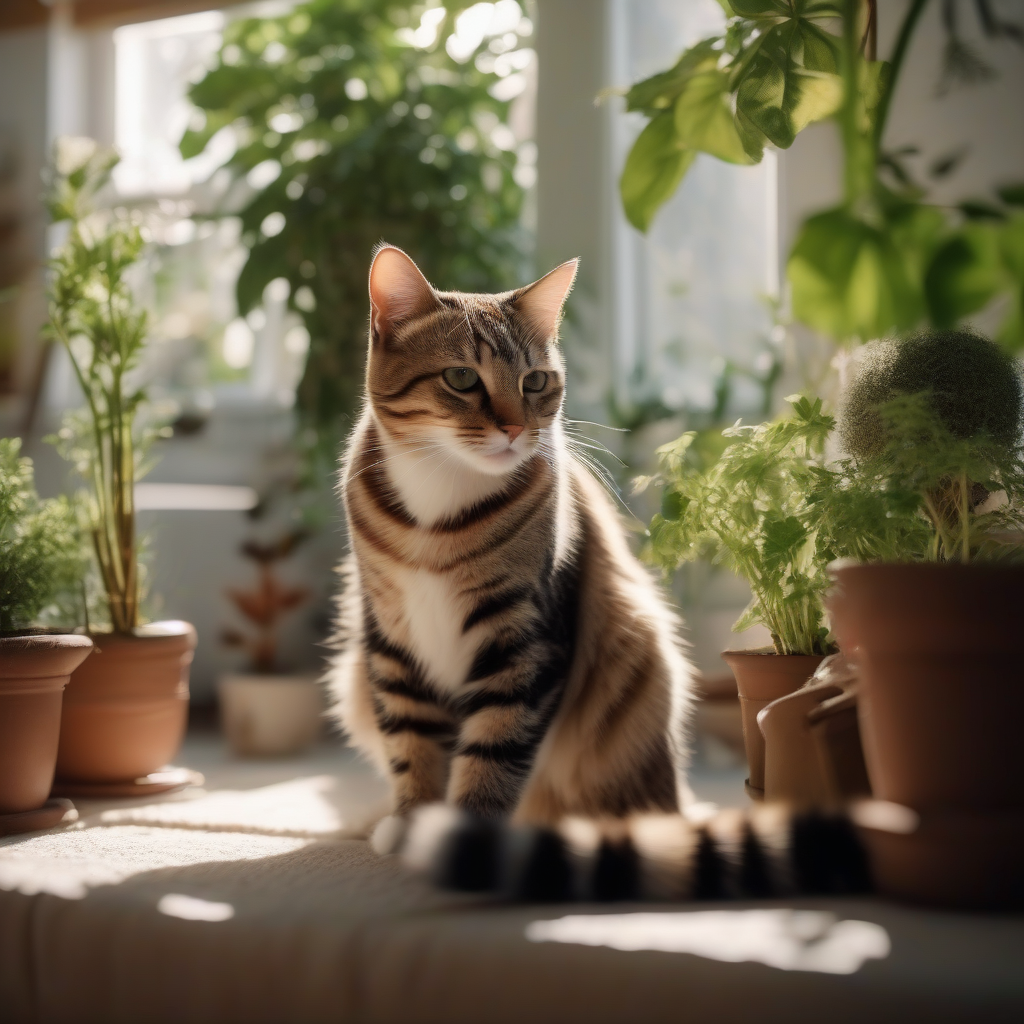
Hidden Treasures of March 2026: An Indoor Cat Garden and Enrichment Guide to Stimulate Your Feline's Senses
As we step into March 2026, we pet owners are more eager than ever to enhance the quality of life for our companions. In particular, enrichment methods that support the mental and physical health of cats are gaining increasing attention. This spring, an innovative trend is emerging that will help your cat explore its sensory world and offer it unforgettable experiences: Indoor Cat Scent Gardens and Comprehensive Enrichment Techniques.
Why are Scent Gardens So Important for Cats?
Cats are creatures with a highly developed sense of smell. They perceive the world largely through scents. Indoor scent gardens offer them the opportunity to discover different and exciting smells in a safe and controlled environment. This nourishes their natural hunting and exploration instincts, prevents boredom, and enhances their overall happiness levels.
Prominent Cat Enrichment Trends in March 2026:
- Natural and Safe Plants: Choosing non-toxic, safe, and pleasant-smelling plants for your cat is the most crucial step.
- Sensory Experience Areas: Creating areas that include not only scents but also different textures and sounds.
- Interactive Games: Designing games that engage your cat using scent cues.
How to Create an Indoor Scent Garden for Your Cat
Creating a cat scent garden is a wonderful way to add an extra layer of richness to your cat's living space. Here's a step-by-step guide:
Step 1: Choosing Safe Plants
Safety is paramount for your cat. The following plants are safe for cats and will pique their interest with their pleasant scents:
- Catnip: A plant known to almost every cat lover, it can induce euphoria and playfulness in cats. However, it may not have an effect on all cats.
- Valerian Root: This plant can have effects similar to catnip, but its scent can be more pungent to humans.
- Oat Grass: A great option that cats enjoy chewing, aiding digestion and helping them pass hairballs.
- Parsley: Can be offered dried or fresh and may be of interest to cats.
- Rosemary and Thyme (in small amounts): In small quantities, they may attract the interest of some cats, but it's important not to overdo it.
Important Note: It's always best to consult your veterinarian before offering any plant to your cat. Some plants can cause allergic reactions in certain cats.
Step 2: Designating the Garden Area
Choose a quiet and safe corner of your home for your scent garden. It can be a balcony, a windowsill, or a dedicated space within a room. Opt for a spot that receives sunlight and where your cat can comfortably lounge.
Step 3: Potting and Placement Options
- Pots: You can achieve an aesthetically pleasing look by using pots of different sizes. Use saucers to prevent soil spillage.
- Hanging Pots: Hanging plants in places your cat cannot reach provides a tidy appearance and helps some plants grow better.
- Horizontal Areas: You can place some plants directly on the floor, safely encircling them.
Step 4: Adding Sensory Variety
To further enrich your scent garden:
- Different Textures: Alongside plants, you can add natural materials with different textures (e.g., pieces of wood, smooth stones) that your cat will enjoy rubbing against.
- Natural Sounds: If possible, adding soft and pleasant sounds like a quiet water fountain or wind chimes can also enhance your cat's sensory richness.
Other Enrichment Techniques for Your Cat's Mental and Physical Health
While a scent garden is just one part of your cat's enrichment routine, here are other prominent methods for March 2026:
1. Interactive Toys and Puzzle Feeders
Interactive toys and puzzle feeders that work with treats or kibble, stimulating your cat's hunting instincts, provide mental stimulation. These toys help develop your cat's problem-solving skills and keep them engaged.
2. Scratching Posts and Vertical Enrichment
Cats' need to scratch is not just for claw maintenance but also a way to relieve stress and mark their territory. Scratching posts and trees made from various materials (cardboard, carpet, wood) allow your cat to exhibit this natural behavior. Vertical spaces (shelves, high platforms) offer your cat areas where they feel safe and can survey their surroundings.
3. Nesting and Hiding Spots
Cats need private spaces where they feel secure and can rest. Boxes, enclosed beds, or high-up cushions offer them a safe haven. You can enrich these spaces with a pleasant-smelling plant from your scent garden.
4. Routine and Predictability
Cats are creatures of habit. Having regular feeding, play, and sleep times reduces their stress levels and enhances their overall well-being. However, adding small unexpected surprises to this routine (e.g., a new toy that suddenly appears or a food treat) keeps the excitement alive.
Conclusion
Investing in scent gardens and enrichment techniques to improve your cat's quality of life in March 2026 is a wonderful way to show them your love. These innovative approaches will support your cat's physical and mental health, helping them live a happier and more fulfilling life. Remember, every cat is unique, and discovering the enrichment methods that best suit their needs will be a rewarding journey for you as well.