March 2026's Viral Solution: Protect Your Cat from Spring Pests! 7 Smart and Holistic Methods to End Flea, Tick, and Lice Worries!
As we enter March 2026, nature reawakens with the arrival of spring. However, this reawakening also signifies the return of some unwelcome guests for our furry friends: fleas, ticks, and lice. These tiny but dangerous creatures can pose serious threats to our cats' health and comfort. Not only do they cause itching, but they can also lead to allergies, skin infections, and transmit more serious illnesses like Lyme disease. This year, as cat owners, it's more crucial than ever to take proactive and informed steps to combat this spring threat, rather than just reactive ones.
The rising trend in the pet world for March 2026 is to develop strategies that combine both 'smart' technologies and 'holistic' approaches to protect our cats' health. Let's explore 7 smart and holistic methods to shield your furry friend from pest infestation this spring.
The Arrival of Spring, The Threat of Pests: Why Is It More Important Now?
Spring months, with rising temperatures and increased humidity, provide ideal breeding conditions for flea, tick, and lice populations. Cats can easily pick up these pests when they go outside or come into contact with other animals. However, not only outdoor cats are at risk; pests can also be brought into your home by pet owners or through other means. Therefore, developing a comprehensive protection strategy is vital. In March 2026, preventive measures are a fundamental step towards ensuring your cat lives a long and healthy life.
March 2026's 7 Smartest Pest Protection Methods
1. Passive Defense Through Home and Environment Management
Your cat's living space is the starting point for pest control. Regular and thorough cleaning is one of the most effective ways to eliminate flea eggs and larvae. Following March 2026 trends, it's essential to vacuum all carpets, upholstery, and areas where your cat frequently spends time at least twice a week with a HEPA filter vacuum cleaner. Washing your cat's bedding, blankets, and all washable textiles at high temperatures also helps destroy larvae and eggs. Additionally, you can create a natural barrier against pests by carefully using natural products like diatomaceous earth in cat-safe areas (e.g., under carpets). This method significantly reduces the likelihood of your home harboring pests.
2. Plant Power: Enrich Your Environment with Natural Repellents
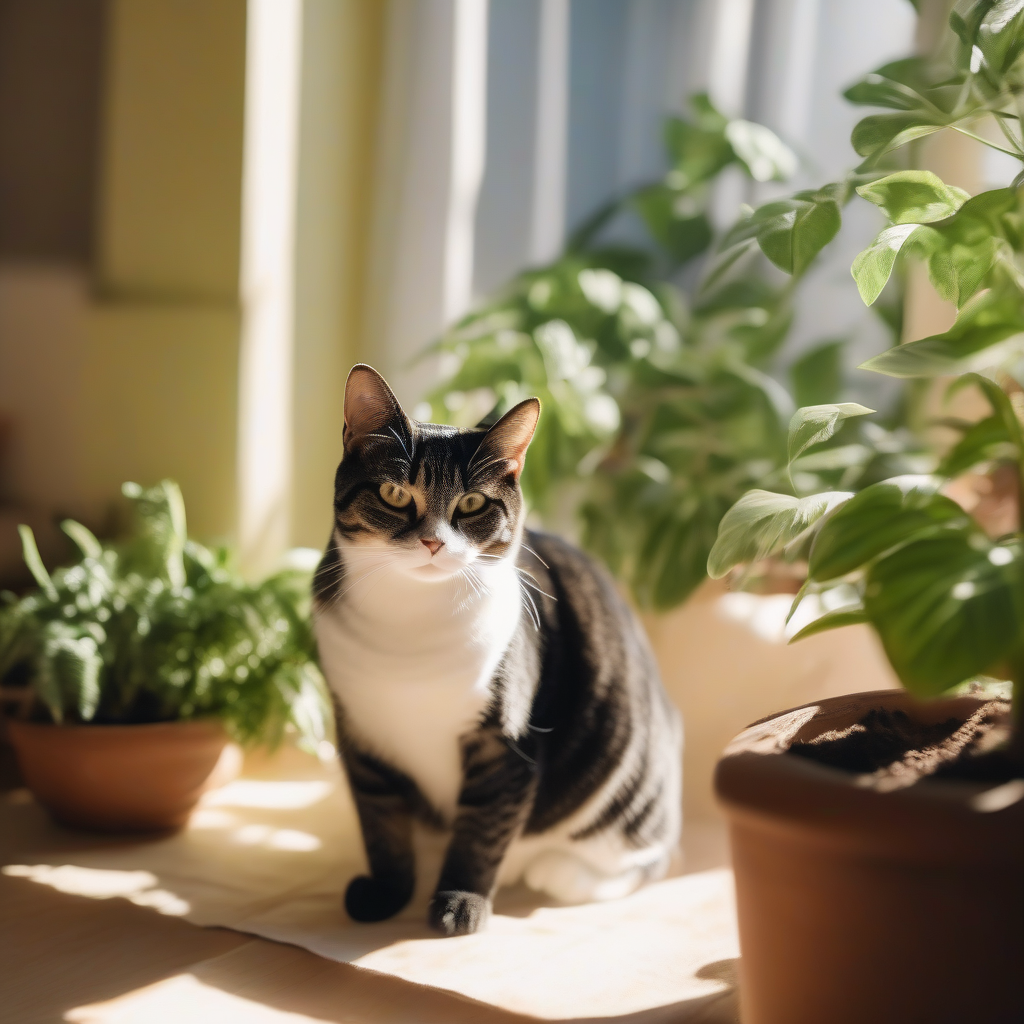
Utilizing nature's own defense mechanisms is a key part of holistic pest control. Plants like lavender, mint, lemongrass (citronella), and basil possess natural flea and tick repelling properties. You can place these plants indoors, in areas inaccessible to your cat, or in strategic spots in your garden. Important Note: Some plants can be toxic to cats, so be very careful when selecting and always choose species that are safe for your cat. Avoid applying essential oils directly to your cat; instead, diffusing them safely in your home's air or having the plants present in the environment is a more appropriate approach.
3. Smart Technological Solutions: Innovative Tracking and Prevention
As of March 2026, pet technologies are opening new horizons in pest control. Some smart collars available on the market can help deter ticks and fleas by emitting ultrasonic sound waves. Furthermore, indoor sensors and pest detectors can identify pest activity at an early stage, allowing for immediate intervention. Such technologies create an invisible shield of protection around your furry friend, keeping you one step ahead of potential infestations. When choosing a product, consider its effectiveness and your cat's comfort.
4. Internal Resistance Through Nutrition: Microbiome-Supported Shield
The stronger your cat's immune system, the higher its natural resistance to pests. The viral trend of microbiome health in recent years can also play a role in pest control. Probiotic and prebiotic-rich supplements or specially formulated foods support your cat's gut microbiome, strengthening its overall immunity and skin barrier. A healthy skin and coat structure can make it harder for pests to cling on. Vitamin and mineral supplements, including Vitamins A, E, and omega fatty acids, can also support skin health with your vet's recommendation.
5. "Paw-Protocol": Regular Checks and Early Intervention
The best prevention is regular checking. Especially for outdoor cats, inspect your cat's fur and skin carefully after every outdoor excursion or at regular intervals. Combing through their fur with a flea comb is an effective way to catch small fleas or nascent ticks. Pay particular attention to areas behind the ears, between the legs, and at the base of the tail. If you find a pest, calmly remove it with tweezers or a special tick remover, using the correct technique, and disinfect the area. Early intervention prevents an infestation from escalating.
6. Safe and Effective Topical Applications and Oral Treatments
Modern spot-on drops, oral tablets, or medicated collars recommended by veterinarians provide long-lasting and reliable protection against pests. Products available in March 2026 often have longer efficacy periods and lower side effect profiles. These chemical-based protectors, when combined with natural methods, provide maximum protection. Important warning: Always consult your veterinarian before using any product. Even some products advertised as 'natural' may contain substances that can be toxic to cats.
7. Holistic Veterinary Consultation: Personalized Protection Plan
Every cat is unique, and their lifestyle, health history, and risk factors differ. Therefore, collaborating with your veterinarian to create the most suitable pest protection plan for your cat is the smartest approach. Your vet can integrate natural methods, smart technologies, and pharmacological solutions in a balanced way to create a plan specifically tailored to your cat's needs. This personalized approach enhances effectiveness and minimizes potential risks.
Conclusion: A Peaceful Spring for Your Furry Friend
In March 2026, protecting your cat from spring pests is possible not with a single method, but with a smart and holistic strategy. Every step you take, from home hygiene to nutrition, technology, and regular checks, will contribute to your furry friend having a peaceful and healthy spring. Remember, your cat's health and well-being are in your hands. As always, consult your veterinarian before starting any protection or treatment method. Provide your cat and home with the protection they deserve, and fill this spring with joyful memories together!