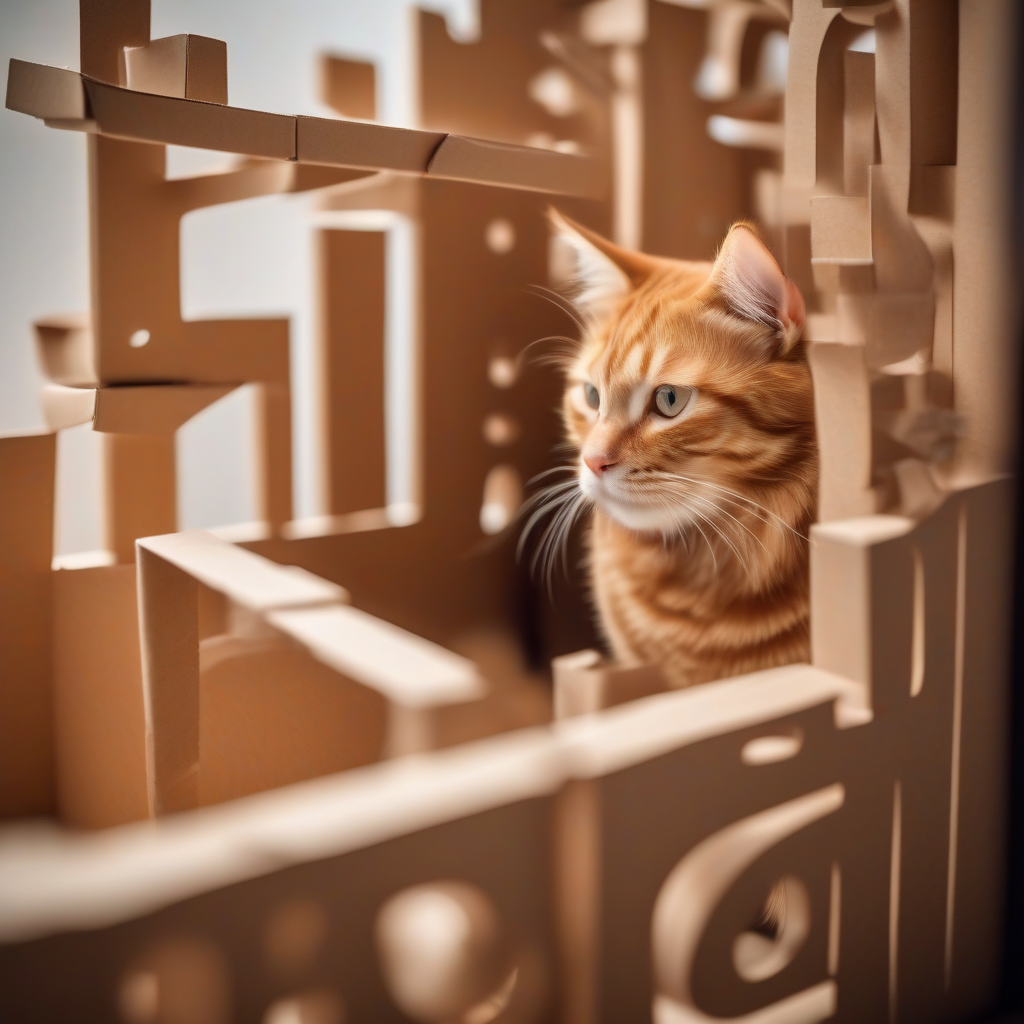
March 2026's Viral Intelligence Trend: 7 Smart Play & Exploration Area Ideas to Map Your Cat's Mind!
Welcome to March 2026! A new wave of awareness is sweeping through the pet world: focusing not only on our cats' physical but also their mental and cognitive needs. Simply filling the food bowl or tossing a toy is no longer enough; we are transforming our home environments into 'mind map'-friendly spaces to understand our cats' inner worlds, support their learning processes, and encourage problem-solving skills. The "Mapping Your Cat's Mind" trend involves observing your feline friend's thought processes, understanding their personality better, and offering them personalized cognitive enrichment opportunities. So, what can we do to be part of this viral trend? Here are 7 of March 2026's smartest and most practical play and exploration area ideas!
Why Should We Map Our Cat's Mind?
Cats, contrary to popular belief, are not passive house pets but highly intelligent, curious, and interactive creatures. A lack of mental stimulation can lead to many problems, including stress, boredom, and even behavioral issues. Mapping your cat's mind helps us understand what type of stimuli they prefer, how they solve problems, and how open they are to learning new things. By providing an environment specifically designed for them, we can enhance their quality of life and strengthen the bond between you.
Feline Brain Power: The Importance of Mental Stimulation
For cats, mental stimulation is crucial for satisfying their hunting instincts, developing problem-solving skills, and preventing cognitive decline. Regular intelligence games and exploration areas keep your cat's brain active, help form new neural connections, and improve their overall mood. This is a vital element, especially for indoor cats, to replace the mental challenges they would encounter in natural environments.
March 2026's Viral Intelligence Trend: 7 Smart Play & Exploration Area Ideas
Ready to map your cat's mind and cognitively enrich them? Here are 7 smart and innovative ideas you can easily implement at home:
1. Multi-Layered Puzzle Feeders (DIY Mental Challenge)
Go beyond simply providing food! Create your own puzzle feeders using cardboard boxes, toilet paper rolls, or old toys. Design complex structures where your cat needs to perform specific actions (pushing, pulling, tipping) to access their food. This satisfies their hunting instinct and improves their problem-solving ability. Prepare puzzles of varying difficulty levels to observe your cat's development.
2. Mysterious Scent Trails (Natural Tracking Simulation)
Unlike aromatherapy, these trails allow your cat to follow a 'scent' using their keen sense of smell. Create tiny trails in different corners of your home with enticing scents like catnip, valerian root, or special cat treats. Watch your cat follow the scent to reach the reward. This activity simulates the scent-tracking skills used during hunting and is highly mentally satisfying.
3. Tactile Exploration Boxes (Sensory Variety)
Fill a large box (e.g., a shoe box) with different textures (silk, wool, rough carpet scraps, newspaper, furry fabrics) and hide toys or treats inside. Encourage your cat to enter the box, explore the different textures, and manipulate items with their paws. This provides sensory enrichment and develops their adaptability to new experiences.
4. Observation Towers and Strategic Vantage Points (Territorial Dominance & Strategic Thinking)
Cats love to observe their surroundings from high places. Add strategic vantage points near windows, on shelves, or on special cat towers in your home. Make these areas safe and comfortable. These multi-level towers help your cat 'map' the home territory, observe potential 'prey' (toys), and plan their movements.
5. DIY Tunnel and Maze Systems (Problem Solving & Exploration)
Build temporary tunnel and maze systems using old cardboard boxes and tubes. Hide small treats or favorite toys inside these mazes. As your cat tries to navigate these labyrinths, they develop their problem-solving skills and spatial awareness. Regularly change the maze design to provide a continuous new challenge.
6. Hide-and-Seek and Prey Simulation Games (Hunting Instinct & Cognitive Planning)
Cats are natural predators. Instead of laser pointers or feather wands, make hide-and-seek games more interactive. Hide toys behind furniture or inside boxes, encouraging your cat to 'hunt' them. Guide them with vocal cues or small gestures. This cognitively simulates all stages of the hunting chain (stalking, ambushing, attacking).
7. Interactive Storytelling and Task-Oriented Games (Breaking Routine & Creating Anticipation)
Create small 'missions' with your cat. For example, 'reward if they retrieve the red ball from the toy box'. Use your tone of voice and movements to create a story. These games strengthen your cat's communication with you, create anticipation, and add a cognitive challenge to their daily routine. Start by teaching simple commands or associating specific actions with particular rewards.
How Can You Integrate These Exploration Areas?
You don't need a large budget to integrate these smart play and exploration areas into your home environment. Creativity and observation are key. Carefully watch your cat's reactions. Which games are they most interested in? Which activities challenge or delight them the most? Always prioritize safety and ensure that the materials used are harmless to your cat. Regularly refresh these areas or change the rules of the games to ensure your cat is continuously mentally stimulated.
Investing in your cat's mental health in March 2026 is key to building a deeper bond and ensuring they live a happy life. With this "Mind Mapping" trend, your journey into your furry friend's inner world will be far richer and more rewarding than you ever imagined. Let's unleash your cat's intellectual potential!