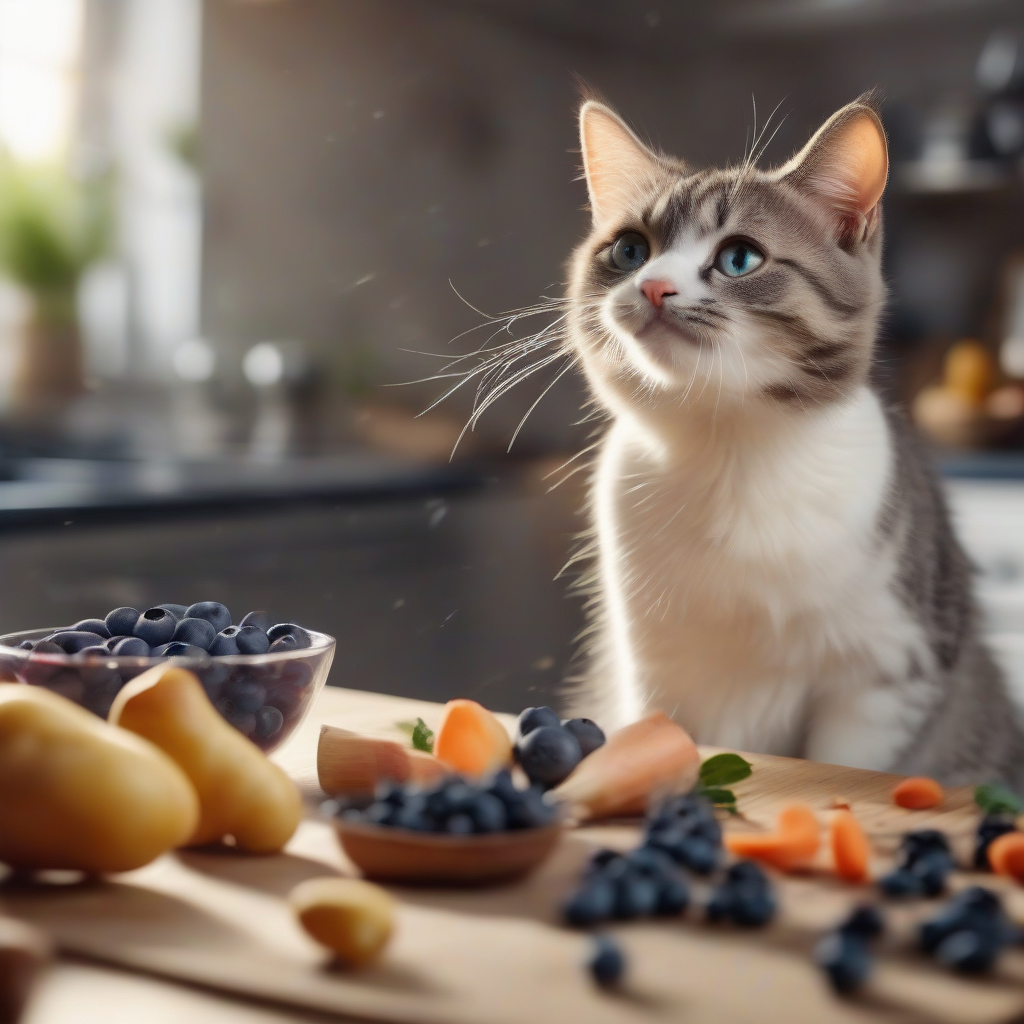
March 2026's Mysterious Metabolism Secrets: Your Cat's Superfoods and DIY Treats for Spring Energy!
As we step into March 2026, the arrival of spring boosts the energy of both us and our furry companions. While leaving winter's dormancy behind, it's essential to explore current trends and innovative nutritional approaches to maximize your cat's spring vitality and maintain their metabolism at its peak. This guide delves into the most popular cat trends of March 2026, metabolism-boosting superfoods, and viral DIY treats you can easily prepare at home.
Spring, Your Cat, and Metabolism: A New Era Begins!
Cats are naturally sensitive to seasonal changes. The increased daylight, revitalized nature, and changing temperatures with the advent of spring also affect their internal rhythms. This period is a great opportunity for your cat to become more active, more eager to play, and for their overall health to improve. However, supporting this energy with proper nutrition and enrichment means ensuring their metabolism functions healthily.
March 2026's Viral Cat Metabolism Trends:
This year's leading cat nutrition trends are not just flavor-focused but also built on health and functionality. High-protein, nutrient-dense formulas close to cats' natural dietary habits are at the forefront. Additionally, products rich in probiotics and prebiotics that support the digestive system continue to gain popularity.
- High-Protein Approach: Cats are obligate carnivores, and protein is their energy source. In March 2026, foods and snacks based on fresh and unprocessed meat sources are preferred. Protein diversity such as chicken, turkey, fish, and game meats helps accelerate metabolism.
- Natural Superfoods: Natural superfoods like blueberries, flaxseed, chia seeds, parsnips, and certain herbs are being added to cats' diets to increase antioxidant intake and support metabolism.
- Smart Hydration: Adequate water intake for cats is critical for their metabolism to function properly. Fountain-style water dispensers and wet food options stimulate their thirst, encouraging them to drink more.
- Zero-Waste and Sustainability: The trend of transforming household leftovers (e.g., meat cooking water or clean vegetable scraps) into safe and nutritious treats for cats is on the rise. This both prevents waste and offers custom, nutritious snacks for cats.
Superfoods to Ignite Your Cat's Spring Energy:
To naturally support your cat's metabolism and maximize their spring energy, you can incorporate the following superfoods into their diet:
1. Blueberries: The Small Blue Powerhouse!
- Benefits: Blueberries are known for their potent antioxidant content. They boost the immune system in cats, reduce inflammation, and support healthy metabolic function. Some research also suggests blueberries can help slow the aging process.
- How to Use: A few fresh or frozen blueberries mixed with boiled chicken or turkey will be a great treat for your cat. They can also be pureed and mixed with a small amount of food.
2. Flaxseed: An Omega-3 Bomb!
- Benefits: Flaxseed is rich in omega-3 fatty acids. These fatty acids improve cats' skin and coat health, support joint health, and help regulate metabolism. It also has a supportive effect on the digestive system.
- How to Use: You can mix ground flaxseed into your cat's wet food or homemade treats. However, it's important to pay attention to the quantity, as excessive consumption can lead to digestive issues.
3. Parsnip: A Source of Fiber and Vitamins
- Benefits: Parsnips are rich in beta-carotene, fiber, and vitamins. They support visual health in cats, strengthen the immune system, and aid in the regular functioning of the digestive system. Their fiber content can also contribute to weight management by providing a feeling of fullness.
- How to Use: Steamed and pureed parsnips can be added to your cat's food or used as a base for DIY treats.
4. Broccoli (Small Amounts and Cooked): A Vitamin Reservoir
- Benefits: Broccoli is rich in vitamins C and K, and fiber. It acts as an antioxidant in cats and supports digestive health. However, it should be given in very small amounts and well-cooked, as excessive consumption can lead to thyroid problems.
- How to Use: A teaspoon of steamed, well-mashed broccoli mixed with food can provide a nutritious boost.
March 2026 Viral DIY Cat Treats:
These special recipes are designed to be both enjoyable for your cat and supportive of their metabolism. You can prepare them quickly with completely natural ingredients.
1. Chicken and Blueberry Energy Balls
- Ingredients:
- 100g boiled and shredded chicken breast
- 2 tablespoons ground flaxseed
- 1 tablespoon blueberries (mashed)
- 1 tablespoon fresh parsley (finely chopped - optional, aids fresh breath and doesn't cause gas)
- Preparation: Mix all ingredients thoroughly in a deep bowl. Form small balls from the mixture and chill in the refrigerator for about 15-20 minutes. Once cooled, you can serve them to your cat in small portions.
2. Fish and Parsnip Flavor Cubes
- Ingredients:
- 50g boiled and deboned salmon or mackerel
- 3 tablespoons parsnip puree
- 1 teaspoon fish oil (premium quality)
- A pinch of turmeric (anti-inflammatory properties, very little)
- Preparation: Mash and mix all ingredients thoroughly with a fork. Pour the mixture into silicone ice cube molds or divide into small squares and store in the refrigerator or freezer. Once frozen, your delicious cubes are ready for your cat to enjoy!
3. Rabbit Meat and Broccoli Mouth-Watering Treats
- Ingredients:
- 70g boiled and mashed rabbit meat (or other lean red meat)
- 1 tablespoon well-cooked and mashed broccoli
- 1 tablespoon rice flour or oat flour (as a binder)
- A few drops of unsweetened and unseasoned meat broth
- Preparation: Combine all ingredients and knead. Roll into small pieces or flatten. Place on a baking sheet lined with parchment paper and bake in a preheated oven at 150 degrees Celsius for about 15-20 minutes, or until slightly dry. Once cooled, they can be served as snacks.
Important Note: When introducing any new food to your cat's diet, start with small amounts and observe for any adverse reactions (vomiting, diarrhea, allergies, etc.). Consulting your veterinarian is always the best course of action.