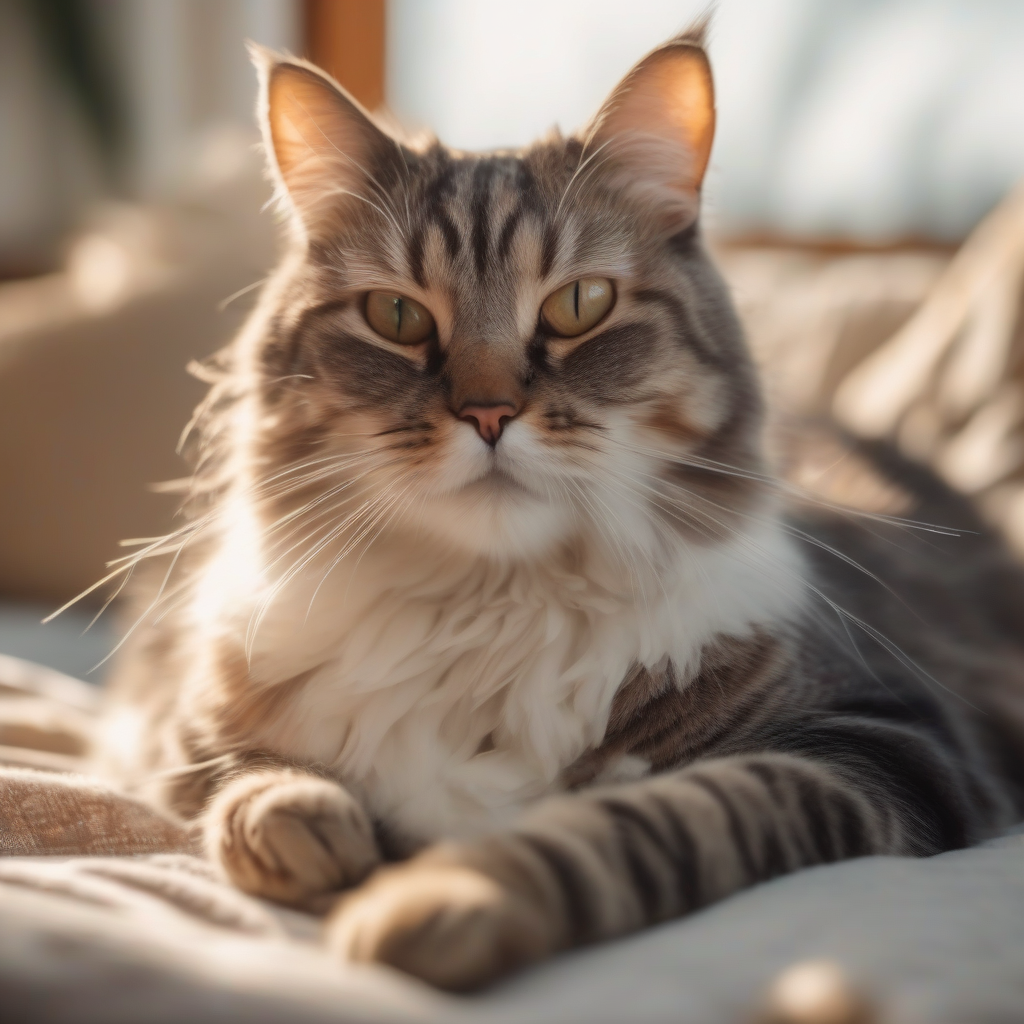
March 2026's Critical Alert: Don't Delay Your Cat's Joint Health! 7 Smart Solutions to Support Your Senior Pet's Spring Mobility!
As we enter March 2026, with the freshness and energy of spring, we observe that our furry friends at home also tend to be more active. However, for senior cats in particular, this increased activity can highlight an often-overlooked reality: joint health. Cats are masters at hiding their pain, which makes it difficult to detect joint problems. Yet, with early diagnosis and proper management, it is possible for your senior cat to live a pain-free, active life during the spring months and beyond. At YuDo Pet, we are here to raise awareness on this critical issue and offer you practical solutions.
The Importance of Feline Joint Health: Why It's More Critical Now
As cats age, just like humans, the cartilage tissue in their joints wears down. This can lead to a chronic painful condition known as arthritis or osteoarthritis. With longer days and increased outdoor appeal in March, your cat's desire to climb stairs, jump, or run may increase. If they have a joint problem, these actions can become painful and significantly reduce their quality of life. With a proactive approach, we can prevent these pains and help your cat enjoy the spring.
What are the Symptoms of Joint Problems in Senior Cats?
Symptoms of joint pain in cats are often subtle and vague. Here are some signs to watch out for:
- Reduced Mobility: Less jumping, difficulty going up and down stairs, slower walking.
- Behavioral Changes: Less playing, sleeping more than usual, avoiding social interaction.
- Decreased Self-Grooming: Matted or tangled fur, especially in the back and hip areas, due to difficulty grooming themselves.
- Inappropriate Urination/Defecation: Urinating or defecating outside the litter box because of difficulty getting in and out.
- Temperament Changes: Becoming irritable, aggressive, or hiding when touched.
- Sleeping Positions: Sleeping in different positions than usual, aiming to alleviate pain.
If you notice one or more of these symptoms, it is important to consult your veterinarian without delay.
7 Smart Solutions to Support Your Cat's Joint Health and Alleviate Pain
1. Specialized Nutrition and Supplements: Make a Difference with the Right Diet
Under your vet's recommendation, you can opt for specialized foods that support joint health. Supplements like glucosamine, chondroitin sulfate, and Omega-3 fatty acids can help protect cartilage health and reduce inflammation. These supplements can provide significant benefits when used regularly, especially before and during the spring months.
2. Weight Management: Reduce the Load on Joints
Excess weight increases pressure on the joints, exacerbating pain and accelerating disease progression. Work with your vet to determine your cat's ideal weight and create a healthy weight loss or maintenance plan. This is one of the most important steps to help your cat move more comfortably.
3. Comfortable and Accessible Living Space Arrangement
Make small adjustments at home to ease your cat's daily life. Place ramps or small steps for them to reach high beds or favorite window perches. Provide soft, orthopedic beds to make resting areas more comfortable. It is also important to place food and water bowls at easily accessible heights.
4. Gentle Exercise and Play: Maintain Joint Flexibility
While it's natural for cats with joint pain to become lethargic, regular and gentle exercise is critical for maintaining joint flexibility and supporting muscle mass. Opt for short, low-impact play sessions (e.g., floor games with feather wands). Avoid activities that require excessive jumping and climbing. Remember, the goal is to maintain mobility, not increase pain.
5. Regular Veterinary Check-ups and Pain Management
Regular veterinary check-ups are essential for your senior cat's joint health. Your veterinarian can assess your cat's condition and prescribe pain relievers and anti-inflammatory drugs, such as non-steroidal anti-inflammatory drugs (NSAIDs). When used at the correct dosage and under veterinary supervision, these medications can significantly improve your cat's quality of life.
6. Physical Therapy and Massage: Professional Touches
Some veterinary clinics offer physical therapy and rehabilitation services for cats. Specific exercises, hydrotherapy, and therapeutic massages can help increase joint mobility and strengthen muscles. At home, gently massaging your cat's comfortable areas can also provide relief by increasing blood circulation and relaxing muscles.
7. Alternative Therapies and Warm Applications
With your veterinarian's approval, alternative therapies such as acupuncture or laser therapy can be effective in reducing pain and accelerating healing. Additionally, warm compresses or heated beds applied to painful joints can help relax muscles and make your cat feel better. However, always consult your veterinarian before applying such treatments.
Ensure Your Cat Welcomes Spring Without Pain!
This period of March 2026 offers a great opportunity to review your cat's joint health and take necessary precautions. Ensuring your furry friend lives a pain-free and active life will further strengthen the bond you share. Remember, early intervention and consistent care are the keys to ensuring your cat fully enjoys spring and the rest of their life. At YuDo Pet, we believe your cat always deserves the best and we continue to be by your side to ensure they live a healthy life.