March 2026's Viral Debate: Recognize and Prevent Your Cat's 'Indoor Boredom Syndrome'! 7 Smart Strategies to Keep Your Feline Friend Engaged!
As we delve into March 2026, groundbreaking topics and viral trends in the pet world continue unabated. During this period, an increased awareness of the mental and physical health of our indoor cats is bringing 'Indoor Boredom Syndrome' (ICBS) into the spotlight. So, what is this 'silent syndrome' affecting your furry friend's mood and behavior, and how can you prevent it? As Sen YuDo Pet, we share 7 smart, scientifically-backed strategies to enhance your cat's quality of life.
What is Indoor Boredom Syndrome and Why is it Trending in March 2026?
Indoor Cat Boredom Syndrome (ICBS) refers to a range of behavioral and physical problems that arise when indoor cats cannot adequately satisfy their natural instincts for hunting, exploring, climbing, and socializing. Cats are naturally curious, predatory, and highly sensitive to their environment. When confined to a limited space and lacking sufficient stimulation, this can lead to chronic boredom and stress.
Several reasons contribute to this topic going viral in March 2026. With the arrival of spring, people tend to spend more time outdoors, which can lead to less attention for indoor cats. Furthermore, thanks to advancements in animal behavior science and technology, our understanding of cats' inner worlds is growing, clearly showing that they need mental and emotional enrichment beyond just food and shelter. 'Unhappy cat' stories shared on social media and 'low activity' alerts from smart devices are also raising this awareness.
What can be the symptoms of ICBS?
- Excessive meowing or silence
- Destructive behaviors (scratching furniture, chewing items)
- Urination or defecation problems (outside the litter box)
- Excessive grooming (bald spots, irritation)
- Aggressive behaviors (towards other pets and humans)
- Loss of appetite or overeating
- Depressed mood, low energy
7 Smart Strategies to Keep Your Feline Friend Engaged!
Here are proven and up-to-date strategies you can implement to keep your cat away from Indoor Boredom Syndrome:
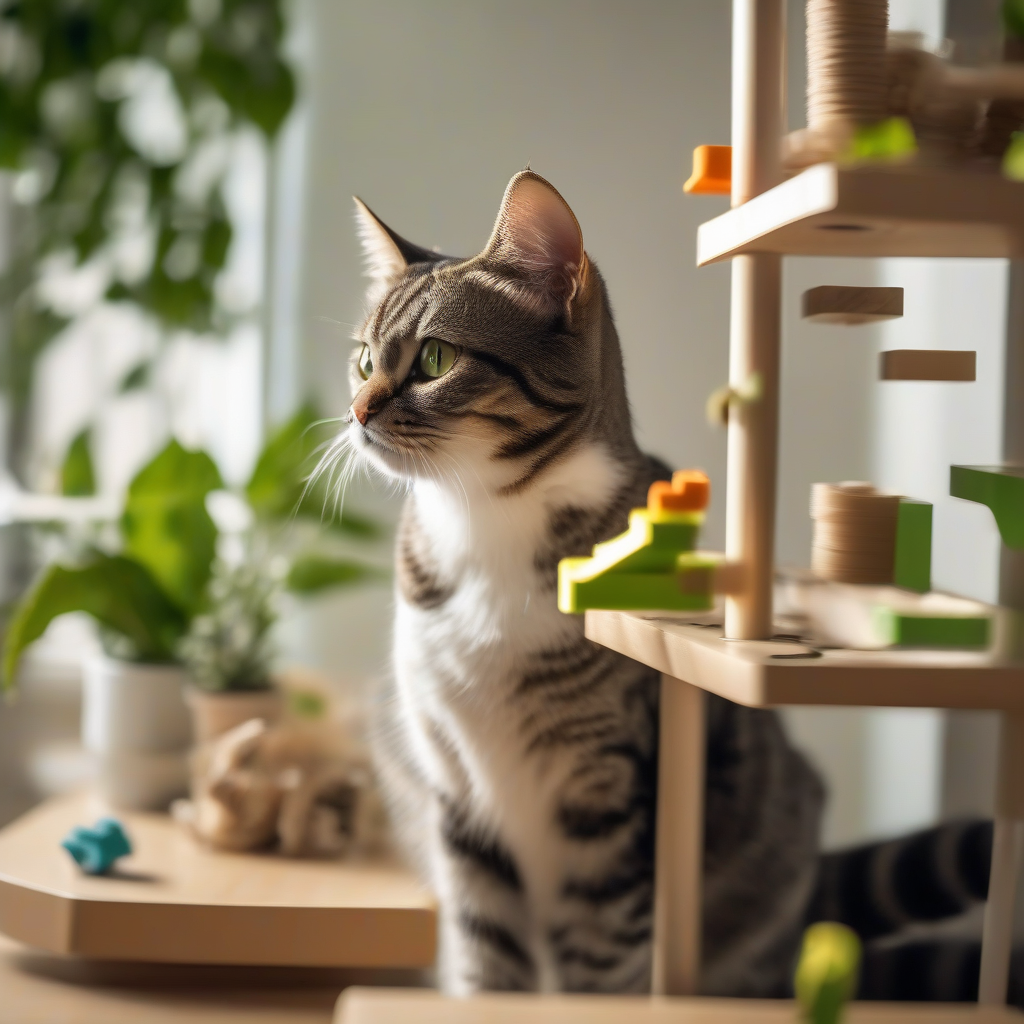
1. Enrich Vertical Spaces: Cat Observation Towers and Shelves
Cats are natural predators and love to observe their surroundings from high places. Provide them with vertical spaces where they can climb, rest, and watch the outside world. Wall-mounted shelves, cat trees, and window perches are among the most effective ways to satisfy your cat's 'hunting instinct' and reduce boredom. In March 2026, modular and customizable vertical systems are highly popular.
2. Smart Hunting Experiences: Puzzle Toys and Hidden Treats
Use interactive toys that trigger your cat's natural hunting instinct. Food-dispensing puzzle toys, motion-activated lasers, or feather wand launchers keep your cat mentally and physically active. Among the March 2026 trends, 'bio-interactive' puzzles that develop a cat's problem-solving skills and reward them are prominent. Offering a portion of daily meals through such toys can keep them engaged for hours.
3. Sensory Enrichment: Diversify the Olfactory and Auditory Environment
Cats' senses of smell and hearing are far more developed than humans'. To make the home environment richer for them, create spaces with safe plants (catnip, cat grass), toys with different textures, and gentle nature sounds. One of March 2026's rising trends, 'Smart Scent Trails', allows your cat to safely and controlledly explore different scents at home, which is excellent for mental stimulation. Feline pheromone diffusers can also be effective in reducing stress levels.
4. Routine and Predictability: Create a Secure World
Cats thrive on routine, and a predictable environment gives them a sense of security. Establishing regular feeding times, play sessions, and sleep schedules helps your cat set its internal clock and know what to expect during the day. This can significantly reduce boredom-induced anxiety. In March 2026, 'personalized cat routine apps' have become popular for optimizing your cat's biorhythm.
5. Quality Social Interaction and Positive Training
Spending quality time with your cat is one of the most fundamental ways to prevent ICBS. Petting, talking, and interactive play strengthen your bond. Additionally, teaching your cat basic commands or small tricks using positive reinforcement methods like 'clicker training' allows them to use their intelligence and enjoy learning new skills. This is not just entertainment but also serious mental exercise.
6. Digital Support and Smart Technology Solutions
As of March 2026, cat-friendly smart technologies have advanced even further. Remotely controlled automatic toys can keep your cat engaged even when you're not home. Some advanced systems can even analyze your cat's movements and play habits to suggest personalized play sessions. 'Cat TV', featuring videos of birds or fish, can provide visual stimulation, especially for cats with limited window access.
7. Create 'Mini Natural Habitats': Indoor Gardens and Safe Sand Areas
Creating a safe and controlled 'mini natural habitat' in a specific corner of your home for your cat can satisfy their exploratory instincts. This could be a small indoor garden filled with non-toxic plants, or a safe soil or sand pit (not for litter, but for digging and exploring). These areas allow your cat to exhibit natural behaviors like digging in soil or smelling leaves, bringing a piece of the outside world safely into your home. However, hygiene and safety are paramount for such areas.
Conclusion
Understanding and preventing your cat's 'Indoor Boredom Syndrome' is one of March 2026's most critical pet care trends. By implementing the 7 smart strategies above, you can meet your furry friend's mental, physical, and emotional needs, helping them lead a happier, healthier, and more balanced life. Remember, a happy cat means a happy home!