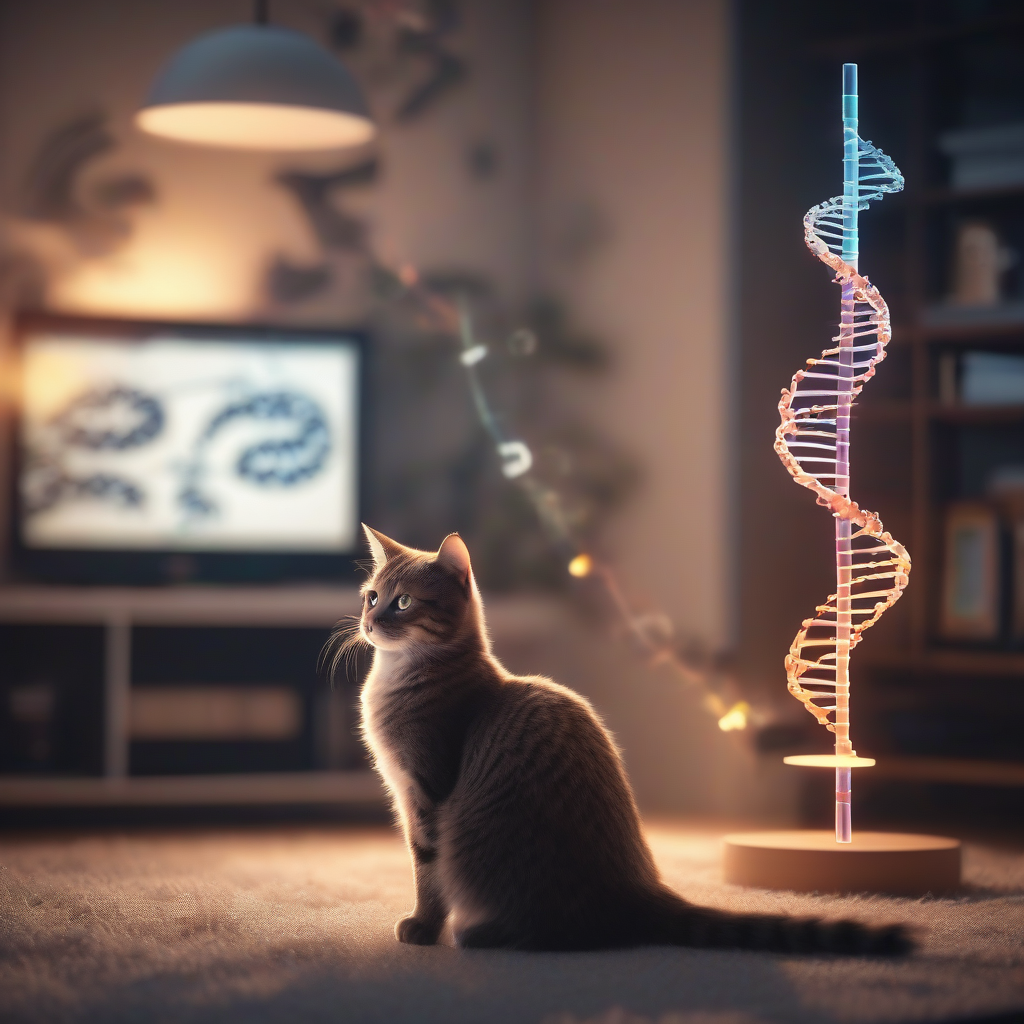
March 2026's Viral Science Trend: Uncover Your Cat's DNA Map! 7 Smart Ways to Discover Your Feline Friend's Hidden Breed, Health Risks, and Personality Traits!
Welcome to March 2026! Our bond with the furry friends who share our homes and bring joy to our lives deepens every day. Science and technology are constantly opening new doors to better understand them, meet their needs in the most accurate way, and provide them with a healthy, happy life. This month's most talked-about, most viral cat trend is undoubtedly Uncovering Your Cat's DNA Map! Discovering the secrets hidden in your cat's genetic code is no longer a luxury seen only in science fiction movies but an accessible reality. At Sen YuDo Pet, we put this revolutionary trend under the microscope for you.
Why Unraveling Your Cat's DNA is March 2026's Biggest Trend?
Mapping your cat's genetic profile is not just an act of satisfying curiosity; it's the key to personalizing and optimizing their care. Modern pet parents are focused on understanding every aspect of their companions and providing the best possible quality of life. DNA tests have risen as a natural extension of this awareness.
A Discovery Beyond Traditional Methods
For years, we've tried to understand our cat's breed, health predispositions, or behavioral tendencies based on our observations, veterinarians' experiences, and general knowledge. However, DNA tests transform these estimations into scientific certainty. By deeply examining their complex genetic structures, they reveal truths beyond what is visible. This means we can now find definitive answers to questions like, "What breeds is my cat a mix of?" or "Is there a predisposition to this disease?"
The Confluence of Science and Curiosity
As of March 2026, pet owners are interested not only in their pets' physical health but also in their genetic origins, potential health risks, and even the genetic foundations of their personalities. This in-depth perspective offered by science strengthens our bond with our cats and allows us to approach them more consciously. Especially "DNA test results" shares circulating on social media are making this trend even more popular.
7 Surprising Insights You'll Uncover with a DNA Test
Analyzing your cat's DNA is like discovering a treasure map. Here are 7 critical pieces of information you can learn about your furry friend with a DNA test:
1. Hidden Breed Heritage: The Scientific Answer to "What Kind of Cat Am I?"
Are you wondering which breeds your adopted street cat or presumed mixed-breed cat comes from? DNA tests can reveal your cat's genetic heritage, offering surprising results. For example, discovering an unexpected Bengal, Maine Coon, or Siamese gene can help you better understand your furry friend's unique characteristics.
2. Genetic Health Risks: Early Detection, Longer Life
Certain breeds or genetic variations have predispositions to hereditary diseases (e.g., Polycystic Kidney Disease, Hypertrophic Cardiomyopathy). A DNA test can identify your cat's genetic susceptibility to such diseases at an early age, allowing you to take preventive measures with your vet, conduct regular screenings, and be prepared for potential issues. This is a vital step for your cat to live a longer, healthier life.
3. Personality Traits and Behavioral Tendencies: Why Do They Act That Way?
Some genetic factors can influence cats' behavioral tendencies. For example, hunting instincts, sociability levels, and reactions to fear or stress can have genetic bases. A DNA test helps you understand your cat's natural inclinations, allowing you to create a more harmonious living environment and personalize training processes. Knowing a cat's genetic predisposition to aggressive tendencies offers an opportunity for early intervention.
4. Nutritional Needs: The Key to a Personalized Diet
Every cat is unique, and their nutritional needs can vary according to their genetic makeup. DNA tests can identify sensitivities to certain nutrients, metabolic rates, or genetic variations affecting optimal nutrient absorption. With this information, you can create the most suitable, personalized diet plan for your cat, reducing digestive problems and optimizing their overall health.
5. Family Tree and Genetic Relations: Finding Furry Cousins
Some DNA tests can determine the degree of kinship your cat has with other cats in the genetic database. This can help you track pedigrees, especially for purebreds, or find siblings from the same parents. This information can be valuable, particularly for breeding programs or genetic research.
6. Medication Sensitivities: Safe Treatment Methods
Certain cat breeds or individuals may exhibit genetic sensitivities to specific medications. For example, some genetic mutations can cause certain drugs to reach toxic levels in the body. Knowing these sensitivities in advance through a DNA test helps your veterinarian create safer and more effective treatment plans, minimizing potential side effects.
7. Fascinating Cat Stories: Discovering Their Origins
Research on the evolution and migration paths of cats is making great strides thanks to DNA tests. Your cat's genetic makeup can provide clues as to which of the major migration routes of cats across the world it belongs. This is not just a scientific curiosity but also offers a fascinating perspective on your cat's individual story and cultural heritage.
Guide to Choosing and Applying the Right DNA Test
There are many cat DNA test kits on the market with different features. Making the right choice and correctly applying the test is important for the reliability of the results.
How to Choose a Test Kit?
- Scope: Decide what information you want to learn (just breed, health risks, or a comprehensive analysis?). Different kits offer different scopes.
- Reliability and Scientific Accuracy: Research the scientific validity and references of the brand you choose. Prefer brands that work with reputable laboratories and provide transparent results.
- User Reviews: Read the experiences of other pet owners.
- Price: Prices may vary depending on the scope and brand.
How to Perform the Test? Step-by-Step Application
DNA test kits typically involve taking a sample from your cat's inner cheek or saliva. The process is quite simple: 1. Preparation: Try to perform the test approximately 30 minutes after your cat has eaten or drunk water. 2. Sample Collection: Gently swab the inside of your cat's cheek using the sterile swabs provided in the kit. Ensure you collect enough cell samples. 3. Packaging: Carefully package the sample according to the kit's instructions. 4. Submission: Send the sample to the laboratory and await the results. Results are usually available online within a few weeks.
How to Reflect DNA Results on Your Cat's Quality of Life?
DNA test results should not only collect information but also be converted into concrete steps to improve your cat's quality of life.
Collaboration with Your Veterinarian
Share the information about genetic health risks and nutritional predispositions you've obtained with your veterinarian. This information plays a critical role in determining what to look out for during regular check-ups, which vaccinations or supplements might be more important, and in creating personalized treatment plans.
Living Space and Behavioral Harmony
Understanding your cat's genetically determined personality traits helps you make the home environment more suitable for them. For example, providing more play and hunting simulations for a cat with a high hunting instinct, creating interaction areas for a more social cat, or offering calming environments for a sensitive cat will increase their happiness and well-being.
Step into the Future of Cat Care with Sen YuDo Pet
At Sen YuDo Pet, we fully support this revolutionary cat DNA test trend of March 2026. We encourage you to use this wonderful tool that will allow you to get to know your cat better, help you understand their unique needs, and strengthen your bond with them through scientific data. Remember, knowledge is power, and with this knowledge, we can offer our furry friends a much better life!