March 2026's Viral Solution: End Your Cat's Destructive Behaviors! Create Home Harmony with 7 Smart 'Feline Behavioral Architecture' Principles!
Are you tired of your furry friend's sudden scratching attacks, spraying on furniture, excessive meowing, or tensions with other cats? As of March 2026, 'Feline Behavioral Architecture' offers a revolutionary approach to these common problems. This trend aims to fundamentally resolve unwanted behaviors by redesigning your cat's environment to suit their instinctive needs and psychological makeup. It's time to address not just the symptoms, but the root causes of behaviors to create a lasting peaceful environment in your home.
Cats are natural predators and territorial creatures. Stress, boredom, insufficient space, or unmet social needs often lead to destructive or undesirable behaviors. 'Feline Behavioral Architecture' involves 7 smart, science-backed principles that fill these gaps, ensuring your cat lives a happy and balanced life. Let's explore these principles together.
1. Vertical Habitat Design: Sky-High Security
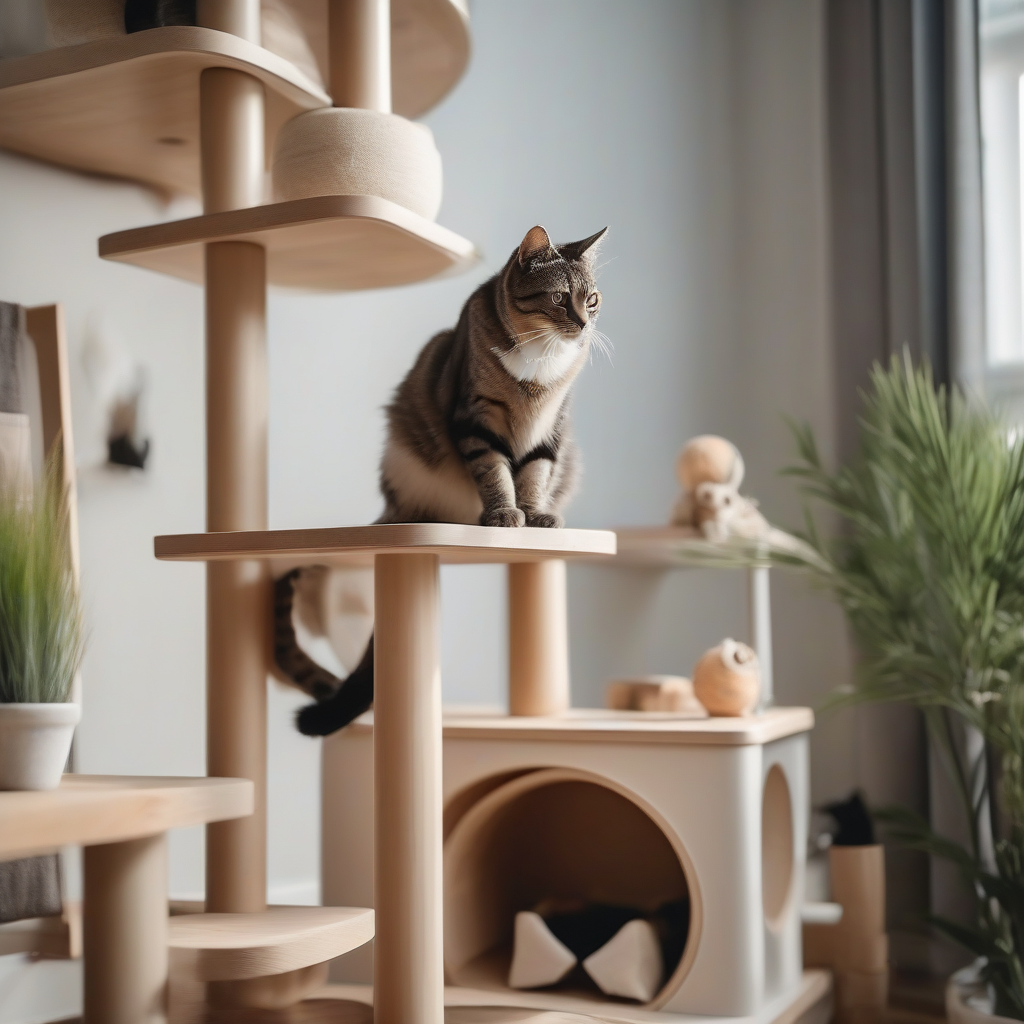
Cats naturally love high places. This allows them to observe potential threats and feel secure. The March 2026 trend is to maximize vertical spaces in your home. Ceiling-high cat trees, wall-mounted climbing shelves, and window perches reduce your cat's stress and prevent territorial conflicts. These areas, especially in multi-cat households, ensure each cat has its own 'safe haven.' High spaces also satisfy the natural need to scratch, protecting your furniture.
2. Hunting Scenario Engineering: Satisfy the Inner Hunter
Boredom is a primary cause of destructive behaviors in cats. Satisfying your cat's hunting instinct daily is critical for their physical and mental health. 'Hunting Scenario Engineering' addresses this need with moving and rotating toys, food-dispensing puzzle toys, and 'Hide-and-Seek' games. Organizing several short but intense hunting simulations each day helps your cat expend energy positively and prevents boredom. Smart, timed feeding systems, popular in March 2026, are also part of this engineering.
3. Comfort and Resource Zone Optimization: Plenty of Space for Everyone
Cats may not be gracious sharers of resources (food, water, litter, sleeping areas), especially when feeling stressed or insecure. Feline Behavioral Architecture suggests strategically distributing resources throughout the home. Rule of thumb: the number of litter boxes should be the number of cats + 1, placed in different areas of the house. Additionally, offering multiple food and water bowls, and various types of beds (warm, cool, soft, firm), ensures each cat has an area that suits their preference. This optimization reduces tension and prevents hygiene issues.
4. Sensory Landscape Planning: A World Appealing to Cat Senses
Cats primarily perceive the world through their smells and textures. Designing the home environment to enrich their senses reduces unwanted behaviors. Offer scratching posts made of different materials (sisal, cardboard, carpet) to help your cat find their scratching preference. Creating small 'sensory gardens' with safe plants like catnip or cat grass allows them to explore natural scents. Comfortable spots from which they can watch the outside world are also important for mental stimulation. This is a more concrete and behavior-focused approach than previous trends like 'Bio-Sensory Scent Garden.'
5. Hidden Boundaries and Safe Havens: Privacy and Control
Cats need their own inaccessible areas to cope with stressful situations. This means a 'safe haven' where a cat can retreat from other cats or household children/guests. Wardrobe interiors, under beds, or specially designed cat tunnels can serve this purpose. If necessary, controlling your cat's access to certain areas using temporary dividers or baby gates provides them with a 'controlled environment.' This is critically important, especially at the onset of behavioral problems or when a new pet is introduced to the home.
6. Routine Flow Management: The Power of Predictability
Cats are creatures of routine. Predictable feeding times, play sessions, and even cuddling moments help them feel secure and reduce anxiety. Establishing and adhering to a specific routine allows your cat to know 'what happens when.' This can reduce excessive meowing, scratching, or other anxiety-driven behaviors. Customizable routine timers integrated with smart devices, highlighted in March 2026, simplify this process.
7. Mental Stimulation Circuits: Engage Their Brains
Not just physical, but mental exercise is vital for your cat's overall well-being. Design your home as a 'mental stimulation circuit' that your cat can explore and engage with mentally. This can include hidden treats in different parts of the house, a play area accessible through tunnels, or small tricks that can be learned with simple commands (e.g., clicker training). Regularly rotating toys and creating new 'discovery routes' keeps your cat mentally alert and eliminates destructive boredom behaviors.
Conclusion
'Feline Behavioral Architecture' brings a holistic and scientific perspective to your cat's behavioral problems. Thanks to this viral solution of March 2026, you can reduce tension in your home and ensure your cat lives a happy and balanced life by meeting their natural needs. Remember, a happy cat means a peaceful home. By implementing these principles, you will strengthen the bond with your furry friend and create endless harmony in your home.