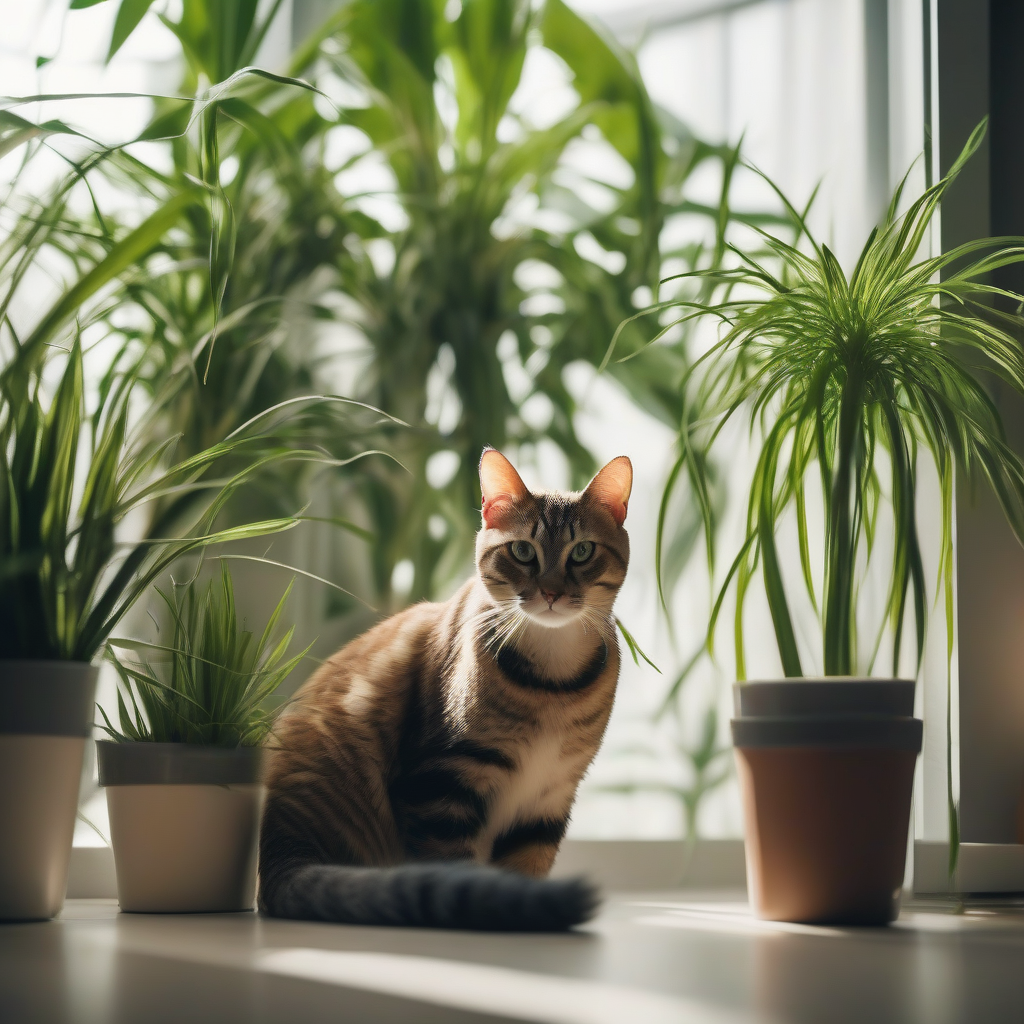
March 2026's Green Revolution: Create Your Cat's Indoor 'Bio-Habitat' Paradise! 7 Steps to Safe & Enriched Plant Spaces at Home
March 2026 ushers in a new green wave in the pet world: the "Bio-Habitat" revolution, designed to awaken your cat's natural instincts, reduce stress, and enhance overall quality of life! It's no longer enough to just provide food and toys; creating safe, enriched, plant-based environments that mimic natural habitats and contribute to their mental and physical well-being has become a viral trend. In this guide, you will discover how to establish a mini-ecosystem for your furry friend in your home, incorporating the latest approaches of March 2026.
Why is Your Cat's Indoor Bio-Habitat Revolution the Talk of the Town Right Now?
Modern urban living often keeps our cats away from their natural environments. However, indoor bio-habitats are key to bridging this gap and satisfying their innate instincts for exploration, hunting, and resting, even within the confines of home.
Reviving Natural Instincts
Like their ancestors, cats love to hide among vegetation, sniff leaves, and sometimes even nibble on them. A controlled bio-habitat allows them to safely exhibit these natural behaviors. This is not just for entertainment but is also critically important for their mental stimulation.
Stress Reduction and Mental Enrichment
The calming effect of plants has been scientifically proven, and cats also benefit from this green energy. A plant-filled environment can reduce anxiety, make them feel more secure, and improve their mood, especially for cats left alone or those prone to stress.
Elevating Home Aesthetics
Bio-habitats are wonderful not only for your cat but also for your home's overall ambiance. By adding a natural touch to your home, you create an aesthetic and peaceful environment that both you and your cat will enjoy. March 2026 trends show that cat-friendly design now perfectly blends with functionality.
How to Create a Safe, Custom Bio-Habitat for Your Cat in 7 Steps?
Setting up a custom bio-habitat for your cat is easier and more enjoyable than you might think. Here’s your step-by-step guide:
Step 1: Safe Plant Selection and Non-Toxic Species
This is the most critical step in creating your bio-habitat. Choosing plants that are non-toxic to cats is vital. Some of March 2026's favorite and safe options include:
- Catnip / Cat Grass: Aids digestion and attracts most cats.
- Spider Plant: Easy to care for and completely safe.
- Boston Fern: Loves humid environments and is non-toxic to cats.
- Banana Plant (Musa spp.): Adds a tropical vibe with its large leaves and is harmless.
- Parlor Palm: Popular for its elegant appearance and cat-friendly nature.
Always consult your vet for any species you are unsure about.
Step 2: 3D Exploration Areas with Height and Layering
Cats love to climb and be in high places. Utilize different heights when designing your bio-habitat. Create a dynamic environment where your cat can jump, climb, and hide by using wall-mounted shelves, tiered plant stands, or pots of varying sizes. Remember, vertical space is as important as horizontal space for cats.
Step 3: Textural Variety and Sensory Stimulation
Plants with different leaf textures (thick, thin, fuzzy, smooth) enrich your cat's sensory world. Additionally, by adding smooth stones, moss, or natural materials of various textures among the plants or at the base of pots, you can increase their desire to explore. This stimulates your cat's paw pads and sense of smell.
Step 4: Watering and Humidity Control: Creating a Microclimate
The health of your plants is essential for the success of your bio-habitat. Establish a watering schedule based on plant type. Some plants prefer humid environments, while others prefer to dry out. For particularly dry home environments, using a humidifier or grouping plants can help create a microclimate.
Step 5: Lighting Optimization: Sunlight and Artificial Support
Choose a corner that receives sufficient natural light for your plants. Areas with direct sunlight or shaded corners are ideal for different plant species. For areas with insufficient light, you can use full-spectrum LED grow lights, a popular trend in March 2026. These lights support plant growth while creating a suitable ambiance for your cat to explore the plants.
Step 6: Access and Safety Barriers: Preventing Chewing and Toppling
You may need to take some precautions to prevent your cat from damaging plants or harming themselves. You can restrict access to some plants by placing them only on high shelves. Prevent plants from toppling over by using heavy-based pots or pot stabilizers. If your cat shows excessive interest in a particular plant and tends to chew it, you might consider setting up a light barrier around that plant (e.g., a small wire fence).
Step 7: Interactive Elements and Maintenance Routines
Make your bio-habitat more interactive! Hide small cat toys among the leaves, add tiny scratching areas, or place a comfy bed where your cat can nap amidst the plants. Regularly check your plants, clean dead leaves, and encourage plant growth. These routines ensure the habitat remains fresh and appealing.
Complete Your Bio-Habitat with YuDo Pet!
At YuDo Pet, we offer everything you need for your cat to join this green revolution! From cat-friendly plant seeds (catnip, wheatgrass) to stylish, tip-resistant pots, smart watering systems, and full-spectrum LED grow lights, we help you turn your cat's bio-habitat dreams into reality. Visit our website to discover March 2026's trendiest cat bio-habitat products!
Conclusion
March 2026's "Bio-Habitat" revolution will fundamentally transform your cat's time at home. By following the steps in this guide, you will provide your furry friend not just a living space, but a safe, enriched, and peaceful paradise where they can satisfy their natural instincts, be mentally stimulated, and remain physically active. Get ready to hear happy meows from your cat in their new green world!