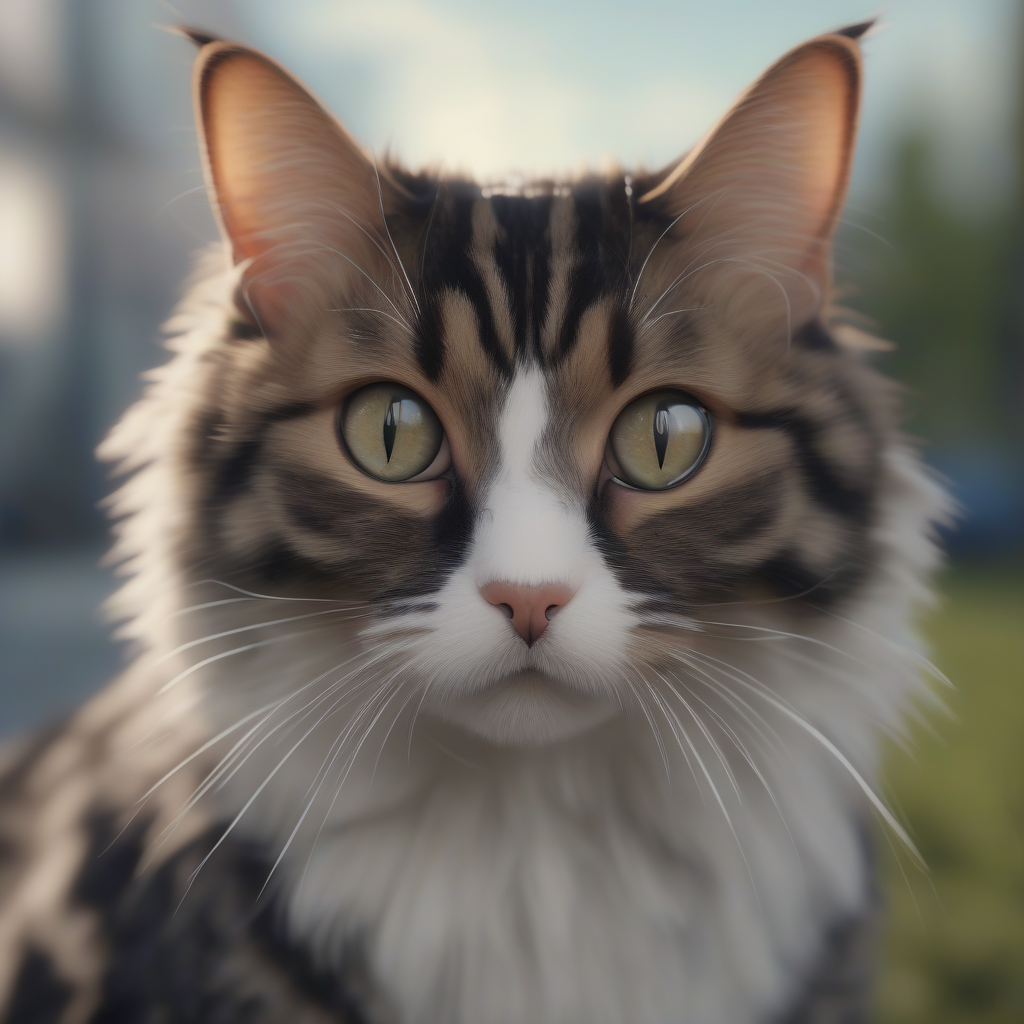
Manx Cat: The World of Tail-less Wonders
One of the most distinctive and mysterious breeds in the feline world, the Manx cat is a marvel of nature with its unique tail-less structure. Native to the Isle of Man, these cats have captured the hearts of many cat lovers with both their physical appearance and affectionate personalities. Let's take a closer look at the world of this unique breed.
Origin and History
The Manx cat's origins date back to an old history, dating back to around the 18th century. It is believed that this breed, which evolved naturally on the Isle of Man, began with sailors bringing cats that developed tail-less mutations in the island's isolated living environment. These cats, whose tail bones did not develop due to a genetic mutation, began to be known by the island's name, Manx. Over time, this unique characteristic increased the cats' popularity and led to their spread worldwide.
Physical Characteristics: Beyond Tail-lessness
Of course, the most striking feature of the Manx cat is its lack of a tail. However, this is not their only characteristic. Manx cats have a rounded head, a broad chest, and strong, round legs. Their hind legs are longer than their front legs, which gives them a characteristic jumping ability. Their bodies can be medium to large in size and have a muscular build. Their ears are medium-sized and slightly rounded at the tips. Their eyes are large, round, and typically gold or copper in color, but their color can vary depending on their coat color.
There can be different tail lengths, such as 'rumpy' (completely tail-less) and 'stumpy' (with a short tail). Their fur can be short or long. Short-haired Manx have a tighter and denser coat, while long-haired ones have a softer and silkier coat. The variety of colors and patterns is quite wide; they can have many different appearances, such as tabby, solid colors (black, white, blue, red, cream), tabby-white, and bicolor.
Personality and Behavior: Affectionate and Intelligent Companions
Manx cats are extremely affectionate and social cats that can form strong bonds with humans. They generally have a calm, gentle, and playful nature. They are very loyal to their owners and love to be a part of their family. They usually get along well with children and other pets, making them a family-friendly pet.
Due to their intelligent nature, they are easily trainable. Some Manx cats can learn simple commands like dogs and play games like 'fetch'. They may have an unusual interest in water, which is a distinguishing feature from other cats. They have high energy levels and enjoy playing, climbing, and exploring. However, despite their high energy, they can also spend a large part of the day sleeping or resting.
Health and Care
Manx cats are generally a healthy breed, but they may be prone to certain health issues due to their genetic mutation. The most well-known issue is 'Manx Syndrome', where the gene causing tail-lessness can affect spinal development. This syndrome can lead to bowel and bladder problems, partial paralysis, or coordination disorders. Therefore, it is important for Manx owners to carefully observe their cats' defecation and urination habits.
Other potential health issues include gum inflammation and eye problems. Regular veterinary check-ups are vital for the early diagnosis and treatment of such problems.
Coat care varies depending on the Manx cat's coat length. Short-haired ones should be brushed once a week, and long-haired ones should be brushed two or three times a week to remove dead hair. This maintains coat health and prevents the formation of hairballs. Nail care, ear cleaning, and regular teeth brushing are also part of their general health care.
Why Should You Own a Manx Cat?
If you are looking for a pet companion that is affectionate, intelligent, and unique, the Manx cat may be the right choice for you. Their playfulness, loyalty, and calm nature will bring joy and peace to your home. With proper care and love, a Manx cat will offer you wonderful companionship for many years. This special breed, hidden behind their tail-lessness, is a true treasure waiting to be discovered by cat lovers.