Manx Cat: Tracing the Tail-less Beauty and Mysterious History
Among cat lovers, many breeds stand out with their distinctiveness and uniqueness. However, some breeds are veritable marvels of nature with their physical characteristics. One such rare beauty is the Manx cat, known for its tail-less physique and shrouded in legends regarding its origins.
Origins and Legends
The Manx cat's origins are traced back to the Isle of Man, an island in the Irish Sea with a unique ecosystem. The most prominent and unforgettable feature of this breed is their birth without a tail, a result of a genetic mutation. However, not all Manx cats are completely tail-less. Some may have a short stub, while others might possess a longer tail. This tail length is due to different expressions of the Manx gene, which is also important in evaluating the breed's purity.
Numerous legends surround the origin of the Manx cat. One of the most popular stories involves the Spanish Armada ships docking on the Isle of Man. It is believed that cats from these ships, upon reaching land, bred with other cats on the island, spreading the tail-less gene. Another popular legend claims that Viking cats, who settled on the island, forgot to board their ships when departing, and these cats eventually bred tailless generations. Whatever the true origin, these mysterious tales add to the Manx cat's allure.
Physical Characteristics
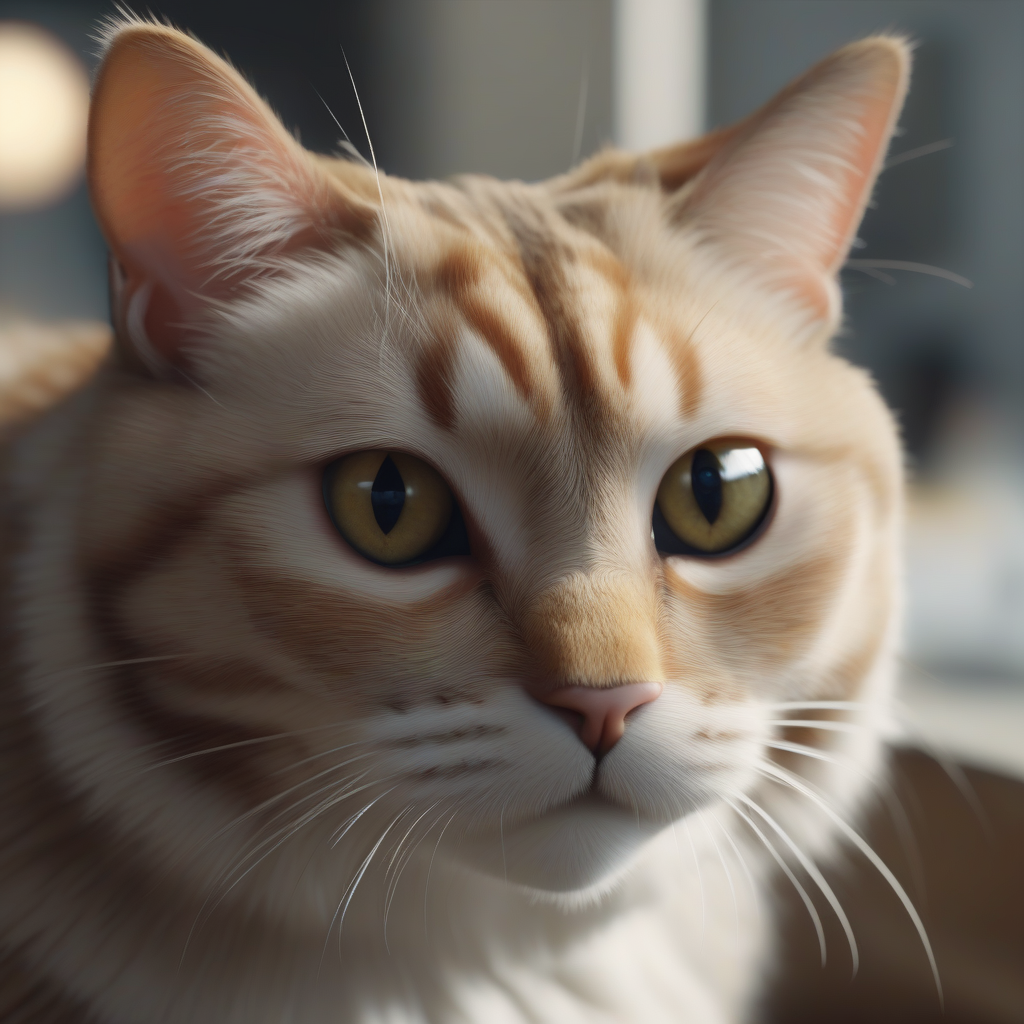
Manx cats are medium to large-sized, muscular, and sturdy cats. They have a rounded head, large round eyes, prominent whisker pads, and medium-length, pointed ears. Their most striking physical trait is the absence or extreme shortness of their tails. This taillessness is characterized by the lack or shortness of the tailbone at the end of the spine.
Manx cats can have varied coat types. Short-haired Manx cats have a dense and glossy coat, while long-haired Manx cats (often called Cymric) have a softer, silkier, and more ruff-like coat. They are also very rich in terms of color and patterns, appearing in all standard cat colors and patterns.
Temperament and Behavior
Manx cats are generally known for being affectionate, gentle, playful, and social. They are highly intelligent and easily trainable. They are very devoted to their owners and form strong bonds with family members. They usually get along well with children and other pets, making them excellent family cats.
Manx cats, due to their curious nature, love to explore their surroundings. They enjoy playing, climbing, and being mentally stimulated. They thrive on their owners' attention and participation in games. Some Manx cats also tend to enjoy playing with water, a trait quite rare among cat breeds.
Care
The care for Manx cats is similar to other medium-haired cats. For short-haired Manx cats, brushing their coat once or twice a week to remove dead hair is sufficient. Long-haired Manx cats may require more frequent brushing to prevent matting.
In terms of nutrition, Manx cats should be fed a balanced, high-quality cat food. Choosing food appropriate for their age, activity level, and health status is important. You can establish the most suitable feeding plan in consultation with your veterinarian.
The taillessness of Manx cats can sometimes lead to certain digestive issues. Therefore, if you notice any changes in their litter box habits, it is important to consult a veterinarian.
Health
While generally a healthy breed, Manx cats can be prone to certain genetic health problems. The most common ones include:
- Manx Syndrome: This condition encompasses a range of issues affecting the nerves of the spine, bladder, intestines, and tail area. It is associated with the tailless gene and can lead to urinary incontinence, fecal incontinence, and mobility problems.
- Osteochondrodysplasia: This is a condition affecting bone and cartilage development, which can cause deformities in the legs.
Therefore, if you are considering adopting a Manx cat, it is important to closely monitor your cat's health and ensure regular veterinary check-ups.
Conclusion
The Manx cat, with its uniquely physical appearance and warm, cheerful disposition, is a special breed. With their tail-less beauty, intriguing history, and loyal companionship, they offer an unforgettable experience for cat lovers. If you are looking for a friend to add difference and plenty of love to your life, the Manx cat might be an excellent choice for you.