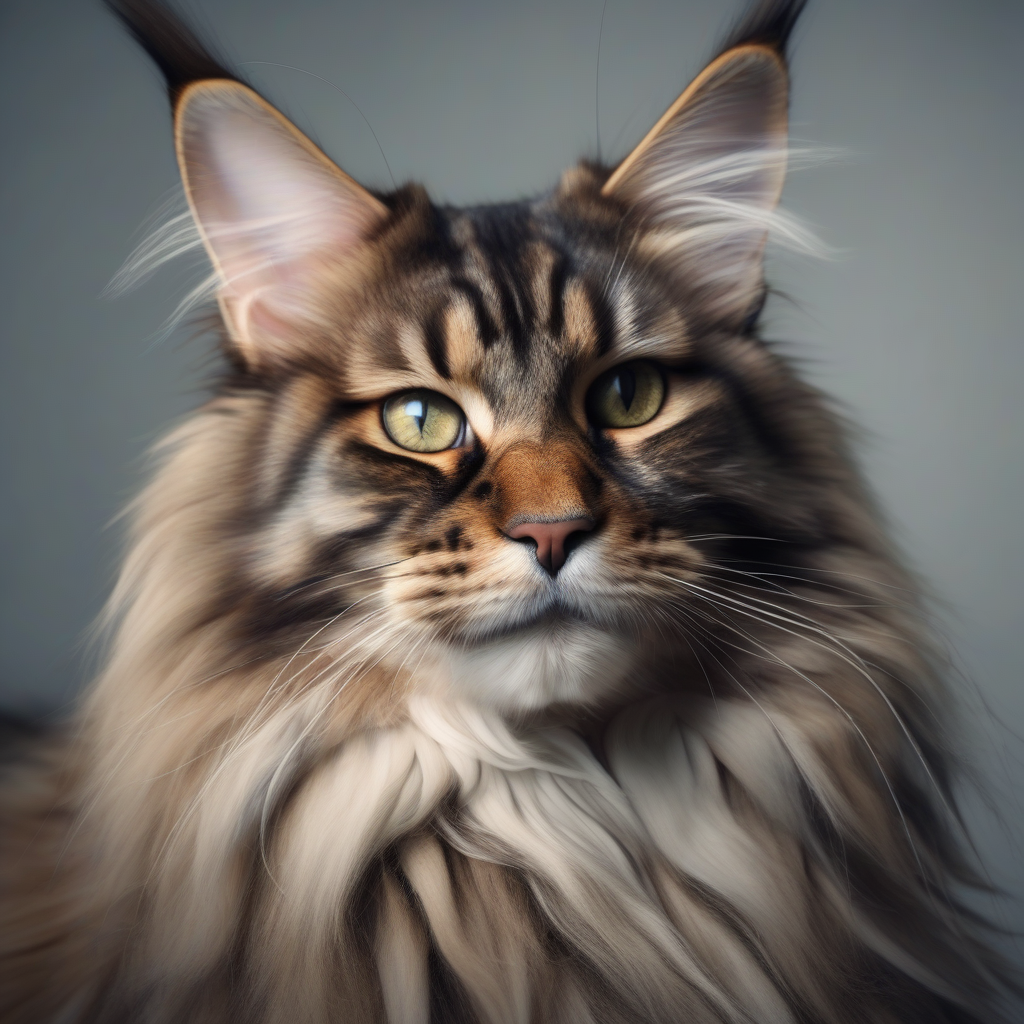
Maine Coon Cat: The Magical World of Gentle Giants
Among the most charismatic and impressive cat breeds in the feline world, the Maine Coon truly earns its nickname "gentle giant" with both its physical stature and its affectionate character. In this article, we will explore every aspect of this magnificent breed, from its origins to its characteristics, care, and health, from A to Z. This comprehensive guide is for anyone considering adopting a Maine Coon or simply wishing to learn more about these fascinating cats.
Origins and History: America's Native Beauties
The Maine Coon is the oldest and only native long-haired cat breed in the United States. Its name is derived from the state of Maine, its homeland, and its resemblance to raccoons in its tail structure. It is generally believed to have originated in the farmlands of New England in the early 19th century. These cats are thought to have developed through natural selection, resulting from the interbreeding of long-haired cats brought by European sailors on their ships and local short-haired cats. The harsh winter conditions of New England played a significant role in the evolution of their thick, water-resistant fur and resilient build.
Maine Coons were initially highly valued as mousers on farms and in barns. Their intelligence, agility, and hunting prowess made them indispensable helpers for farmers. Their popularity peaked in the late 19th century with cat shows but declined in the early 20th century with the import of exotic breeds like the Siamese and Persian. Fortunately, thanks to the efforts of dedicated breeders from the 1950s onwards, the breed has experienced a resurgence and is now one of the most beloved cat breeds in the world.
Physical Characteristics: A Majestic and Imposing Stance
Maine Coons stand out among domestic cat breeds for their size, making them truly impressive animals.
- Size: Males typically weigh between 6 and 10 kilograms (13-22 lbs) and can reach up to 100 cm (40 inches) in length, including the tail, while females weigh 4 to 7 kilograms (9-15 lbs). They can take 3 to 5 years to reach their full size.
- Coat: Their silky and dense double coat provides excellent insulation against cold weather. The fur is longer on the belly and legs and shorter on the shoulders, structured to prevent water from penetrating their bodies. They have a lavish ruff resembling a lion's mane around their neck and a full, bushy tail. Coat colors and patterns are quite diverse, with many variations available, including black, white, blue, red, cream, silver, smoke, tabby, and tortoiseshell patterns.
- Ears: They have large, broad-based ears with pointed tips and long tufts of hair, similar to lynx tips. These tufts help protect their ears from the cold.
- Eyes: Large, slightly oval, and very expressive. They can be gold, green, copper, or various other colors, often complementing their coat color.
- Body Structure: They possess a muscular, strong, rectangular body and a robust bone structure. Their broad chests and powerful legs give them an athletic appearance.
- Tail: Their long, bushy, and plumed tail, which is about half the length of their body, can serve as a blanket to wrap themselves in during cold weather.
Character and Temperament: Gentle-Hearted Giants
Maine Coons are known for their extremely gentle, docile, and affectionate personalities, which contrast with their physical size. These traits have earned them the title "gentle giant."
- Social and Friendly: They form strong bonds with humans and enjoy being a part of their family. Even towards strangers, they are generally curious and friendly rather than shy.
- Playful and Intelligent: They love to play, even as they age. Their intelligence levels are quite high, and they can learn simple commands (e.g., fetch). Puzzle toys and interactive games are ideal for providing them with mental stimulation.
- "Dog-like" Behaviors: Some Maine Coons may exhibit dog-like behaviors such as following their owners from room to room, greeting them at the door, and even getting accustomed to leash walks.
- Compatibility with Children and Other Pets: Thanks to their patient and tolerant nature, they get along wonderfully with children and other pets (especially if well-socialized). They are an ideal choice for busy families.
- Soft Vocalizations: Despite their majestic size, they often emit melodic, bird-like trilling sounds rather than loud meows.
- Love for Water: Unlike many other cat breeds, Maine Coons are often not indifferent to water; on the contrary, they are curious and may enjoy playing with it. This is thought to be because their natural habitat was near water sources, and they might have needed to enter water for hunting.
Care Tips: For a Healthy and Happy Maine Coon
While Maine Coons are generally robust cats, their long fur and large size require specific care.
- Coat Care: They should be brushed at least 2-3 times a week to prevent matting and tangling. During seasonal shedding, it's important to brush them more frequently. Regular brushing removes dead hair and reduces hairball formation.
- Nutrition: They should be fed high-quality, protein-rich wet and dry foods appropriate for their age and activity level. Due to their large size, they can be prone to obesity, so portion control and regular exercise are crucial.
- Exercise and Mental Stimulation: Being energetic and intelligent, they need plenty of play and climbing opportunities. A large, sturdy scratching post, interactive toys, and regular play sessions are vital for their physical and mental health.
- Health Check-ups: Like all cats, regular veterinary check-ups, vaccinations, and parasite treatments should not be neglected.
- Other Grooming: Their nails should be trimmed regularly, dental hygiene should be maintained with occasional brushing, and their ears should be checked and cleaned.
Common Health Issues: Responsible Ownership
While Maine Coons are generally a healthy breed, they do have some genetic predispositions. Knowing potential health issues is important for early diagnosis and treatment.
- Hypertrophic Cardiomyopathy (HCM): This is the most common heart disease in cats, characterized by a thickening of the heart muscle. It can be monitored with genetic tests and regular cardiac evaluations (echocardiography).
- Hip Dysplasia (HD): An orthopedic condition where the hip joint doesn't develop correctly, potentially leading to pain and arthritis. It is more common in large cat breeds.
- Spinal Muscular Atrophy (SMA): A genetic disease that causes muscle weakness and atrophy due to the degeneration of motor neurons in the spinal cord. It can be diagnosed with genetic tests.
- Polycystic Kidney Disease (PKD): Characterized by the formation of cysts in the kidneys. Although rare, it can occur in Maine Coons.
- Dental Diseases: Like all cats, Maine Coons can suffer from issues like tartar buildup and gingivitis. Regular dental care and veterinary check-ups reduce these risks.
Responsible breeders will screen parent cats for these genetic diseases. If you are considering adopting a Maine Coon, you should always contact a reputable breeder with good references.
Why Should You Adopt a Maine Coon?
If you are looking for a large, majestic, intelligent, playful, and social cat that will become a true part of your family, a Maine Coon might be the perfect choice for you. They are not just pets; they are wonderful companions and are likely to become a cheerful member of your family. Their patient and affectionate nature makes them ideal, especially for families with children and those living with other pets.
Conclusion
Maine Coon cats are truly unique creatures with their captivating appearance, gentle character, and intelligence. As America's native giants, they continue to win more hearts every day. By providing them with good care, love, and plenty of play, you can add an invaluable friendship to your life that will last for many years. With the knowledge you've gained about this fascinating breed, we wish you a healthy and happy life with your Maine Coon!