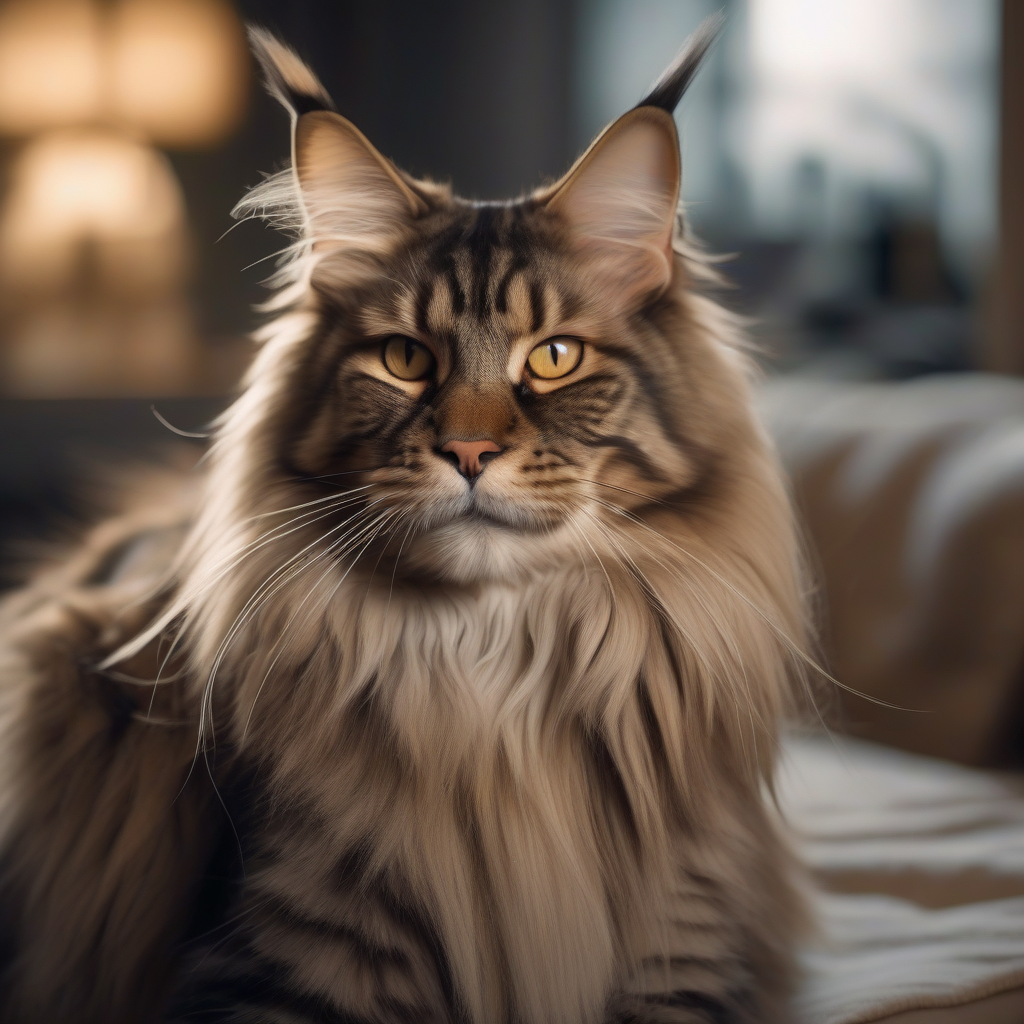
The Maine Coon Cat: A Majestic Journey into the World of Gentle Giants
Introduction: The Elegance of a Forest Spirit, The Grandeur of a Mountain Lion
The Maine Coon cat, one of America's oldest natural breeds, has captivated cat lovers worldwide with its striking physical attributes and affectionate temperament. Often referred to as "gentle giants," these magnificent felines offer a unique experience, both in their majestic presence and their friendly personalities. With their luxuriant ruffs, bushy tails, and impressive size, Maine Coons resemble miniature lynxes or raccoons, embodying a robust and intelligent breed perfectly adapted to the cold climates of North America. In this comprehensive article, we will explore every facet of this unique breed, from their origins and physical characteristics to their temperament and care requirements.
Origins and History: Legends from the Cold Winds of New England
Numerous legends and theories surround the origins of the Maine Coon breed. One of the most popular, though biologically impossible, theories suggests they are half-cat and half-raccoon (coon) – which might explain part of their name but is genetically unfeasible. A more plausible theory posits that the breed's name comes from the state of Maine in the USA and their "coon"-like bushy tails.
It is widely believed that the ancestors of Maine Coons were long-haired cats brought to America by sailors from Europe in the 17th century, where they served as mousers on ships. These cats adapted to the harsh winter conditions of New England, interbreeding with local short-haired cats and laying the foundation for today's Maine Coon breed. Their thick, water-resistant fur, large paws, and heavily plumed tails provided excellent adaptations for survival and hunting in snow-covered terrain.
Gaining popularity in the late 19th century, Maine Coons held a prominent place in America's first cat shows. However, their popularity declined in the early 20th century with the introduction of more exotic breeds (particularly Siamese cats), and they even faced the threat of extinction for a period. Fortunately, thanks to the efforts of cat enthusiasts from the 1950s onwards, the breed was revitalized and has now become one of the most popular cat breeds globally.
Physical Characteristics: An Impressive Appearance
As their name suggests, Maine Coons are notably large cats. Males typically weigh between 6-9 kg (13-20 lbs), while females average 4-6 kg (9-13 lbs). However, some individuals can exceed 10 kg (22 lbs). They can measure up to 1 meter (40 inches) from nose to tail tip. These majestic dimensions are often not fully reached until they are 3-5 years old.
One of their most striking features is their double-layered, silky yet durable fur. The outer coat is water-resistant and shaggy, while the undercoat is soft and warm. A ruff around their neck, longer fur on their belly, and tufts on their paws help protect them from the cold. The "lynx tips" on their ears and dense fur inside their ears are another adaptation against cold weather. Their large, rounded paws and long, bushy tails also provide an advantage for walking on snow and maintaining balance.
They boast a wide range of colors and patterns; tabby, smoke, black, white, red, cream, blue, and combinations thereof are common. Eye colors can vary, often appearing in shades of copper, green, gold, or blue. Their large, expressive eyes and strong jaws give them an intelligent and alert expression.
Temperament and Personality: The Gentle Giant of the Home
Despite their large size, Maine Coons are exceptionally gentle, docile, and people-oriented cats. This is the primary reason for their "gentle giant" moniker. They form strong bonds with humans and love to be around their family members. Rather than being typical lap cats, they often prefer to follow their owners around, be in the same room, or lie nearby.
These cats are also quite playful. They enjoy playing from kittenhood into their senior years and can exhibit dog-like behaviors such as fetching. Their intelligence makes them fond of puzzle toys and interactive games. They are one of the few cat breeds that enjoy water; they might enjoy playing with tap water or watching the bathtub fill.
Maine Coons generally get along well with children and other pets, including dogs. Their calm and patient nature makes them an ideal choice for busy households. Their vocalizations are also quite distinctive and charming; instead of typical meows, they often produce unique chirps and trills. These sounds are their way of expressing affection and their desire to communicate.
Care and Grooming: The Secrets of a Stunning Coat
The long and luxuriant fur of Maine Coons requires regular grooming, but it's not as challenging as you might think. Brushing at least twice a week prevents matting and tangles, and removes loose fur, thereby reducing shedding. This frequency might need to be increased during seasonal shedding periods. Accustoming them to brushing from an early age will prevent problems later on.
Ear cleaning and nail trimming are also important parts of their routine care. Eye and oral health should not be neglected. Regular veterinary check-ups, vaccinations, and parasite prevention are vital for maintaining their overall health.
Health: What You Should Know
While generally a healthy and robust breed, Maine Coons can be prone to certain genetic conditions. The most important among these include:
- Hypertrophic Cardiomyopathy (HCM): A common heart disease characterized by the thickening of the heart muscle. Early diagnosis is possible through regular veterinary check-ups and ultrasound screenings.
- Hip Dysplasia: A joint problem particularly seen in large breeds, which can lead to pain and limited mobility.
- Spinal Muscular Atrophy (SMA): A genetic disease leading to muscle weakness due to the loss of nerve cells in the spinal cord. Fortunately, genetic tests are available to identify carriers of this disease.
Responsible breeders conduct tests for these genetic conditions and strive to produce healthy kittens. If you are considering adopting a Maine Coon, be sure to inquire about the breeder's health screenings.
Nutrition and Exercise: A Balanced Diet for an Active Life
Maine Coons are large and active cats, so they require a high-quality, protein-rich diet. Choosing food appropriate for their age, activity level, and overall health is important. Overweight can strain their joints and lead to health problems, so portion control is crucial. Access to plenty of clean water is also critically important for kidney health.
Daily play sessions and interactive toys keep Maine Coons physically and mentally active. Cat trees and shelves are excellent options to satisfy their natural climbing instincts. Some Maine Coons may even enjoy leash training and going for walks outdoors.
Conclusion: A Loving Family Member
The Maine Coon cat stands out not only for its captivating appearance but also for its gentle, intelligent, and loyal personality. If you wish to fill your home with the warmth of a gentle giant, a Maine Coon would be an excellent choice. They are not merely pets but rather loving and interactive members who become part of the family. With regular care, proper nutrition, and plenty of affection, your Maine Coon will provide you with many years of companionship and joy. Every moment spent with these magnificent cats will reaffirm their unique charm.