Lambkin Cat: A Curly-Haired, Short-Legged Adorable Dancer
The world of cats constantly unveils new and captivating breeds. Among these is the Lambkin cat, distinguished by its unique appearance and charming personality. With its short legs and soft, curly fur, resembling a plush toy, the Lambkin is a rare companion poised to steal your heart. So, what makes this distinctive cat breed so special? As Sen YuDo Pet, get ready for a journey into the mysterious world of Lambkin cats.
Origin and History
The Lambkin cat is a relatively new "designer" cat breed that emerged in the late 1990s in the United States. Its name comes from the word "lamb," as its curly fur resembles that of lambs. This breed was developed by cross-breeding two popular and characteristic cats: the Munchkin, known for its short legs, and the Selkirk Rex, famous for its curly coat. The goal was to combine the most appealing traits of these two breeds, creating a new cat that was both short-legged and curly-haired. Although the breed is not yet fully recognized by all major cat associations, it is rapidly gaining popularity among enthusiasts and breeders. The Lambkin resulted from the combination of a natural genetic mutation for short legs (Munchkin genetics) and the curly coat genetics (Selkirk Rex genetics), though the co-occurrence of these two genes is quite rare and requires careful breeding programs.
Physical Characteristics
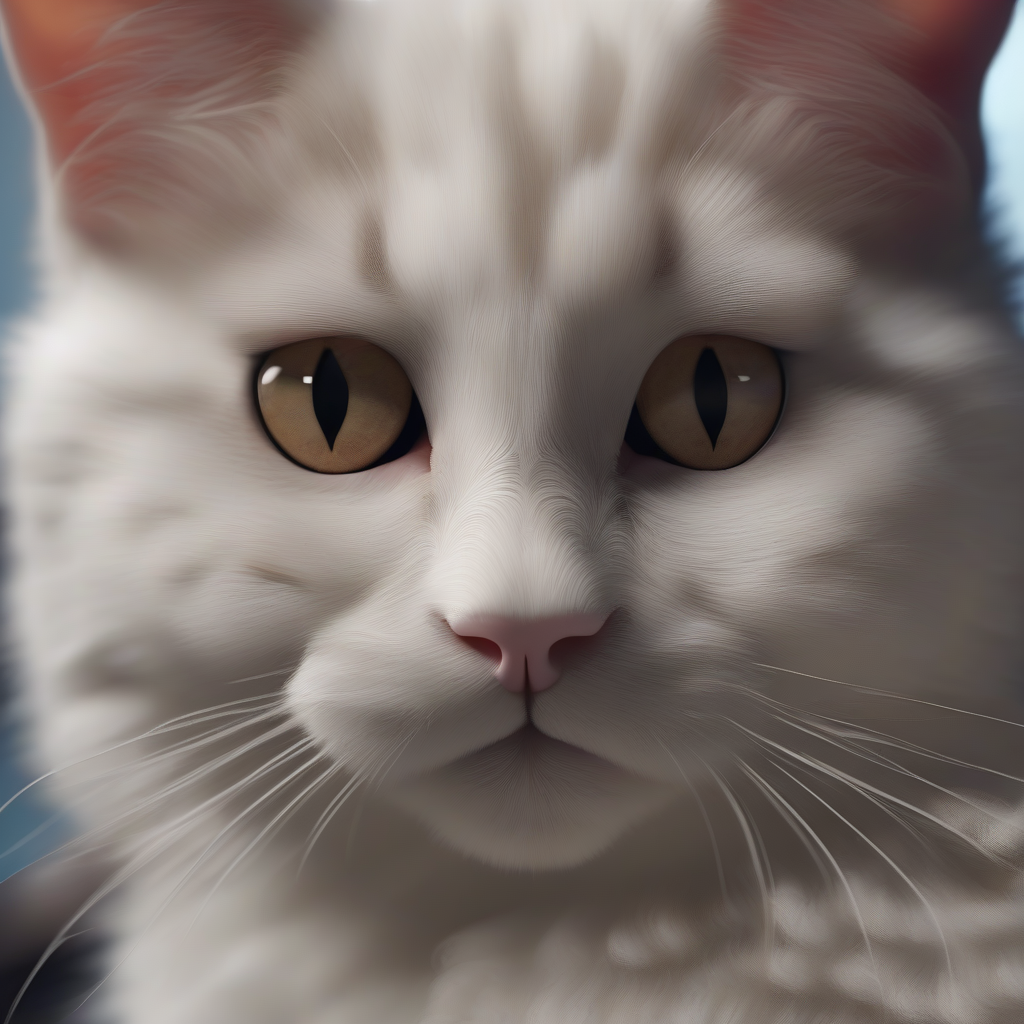
Of all their physical traits, the most prominent feature of Lambkin cats is their short, muscular legs, similar to those of Munchkins. These legs give them a humble yet agile gait. However, what truly makes them unique is their curly or wavy fur, inherited from the Selkirk Rex. The fur can range from a soft, velvety texture to more distinct, disheveled curls. The coat structure is referred to as "rexoid," and while curls may be more pronounced in kittens, they can sometimes loosen or change shape as the cat grows. They typically have medium-length fur, but both short-haired and long-haired variations can exist. In terms of color and pattern, they boast a wide spectrum; they can be seen in almost any color and pattern combination, including solid, tabby, smoke, and point patterns. Their eyes are large, round, and expressive, often in tones that complement their coat color. They have a medium-sized, muscular, and sturdy body structure. Their tails are usually fluffy and taper towards the tip.
Temperament and Personality
Lambkin cats captivate people with their personalities as much as their looks. They are generally very affectionate, friendly, and social cats. They form strong bonds with their owners and enjoy being part of the family. They love to play, and their short legs do not slow them down; on the contrary, they can be incredibly agile and curious. Thanks to their intelligent and eager-to-learn nature, they can be taught simple commands or stimulated mentally with various toys. They usually get along well with other pets and children, making them ideal companions for bustling households. Their calm and adaptable temperament allows them to easily adjust to apartment living. They love spending time on laps and being petted, often displaying incredible affection towards their owners.
Care and Grooming
The curly fur of Lambkin cats requires special care. Shedding is moderate, but regular brushing is important to prevent tangles and matting of the curls. It's best to use a soft-tipped brush or a wide-toothed comb that won't damage the fur, rather than stiff brushes. Gently brushing a few times a week will keep their fur healthy and shiny. While bathing is not needed very frequently, cat shampoos that won't disrupt the natural texture of their fur should be preferred. Furthermore, like all cats, Lambkins require regular ear cleaning, nail trimming, and dental care. Regularly checking and cleaning around their eyes is also important to prevent potential infections.
Health and Lifespan
Lambkin cats are generally considered a healthy breed, but due to their genetic origins, there can be some health considerations. Spinal issues or skeletal abnormalities seen in the Munchkin breed can pose a potential risk in Lambkins due to the short-leg gene. The curly coat gene from the Selkirk Rex typically does not lead to health problems. Responsible breeders strive to minimize potential health issues by conducting genetic tests on parent cats. Their average lifespan ranges from 12 to 15 years. Regular veterinary check-ups, a balanced diet, and sufficient exercise will help your Lambkin cat live a healthy and happy life.
Ideal Home Environment
Lambkin cats, with their affectionate and playful nature, can easily adapt to most home environments. They make wonderful companions, especially for families who enjoy showering them with attention and spending time with them. Although they cannot jump very high due to their short legs, they enjoy playing with toys and exploring their surroundings. Providing them with a safe and stimulating environment, offering climbing towers or interactive toys, is important. They are also a suitable choice for families with children and other pets, as they generally have a gentle and harmonious disposition.
Conclusion
The Lambkin cat is an excellent choice for anyone seeking a unique beauty with short legs and curly fur, who is also an affectionate and playful companion. Their rarity and need for special care only add to their value. Let these adorable lambs conquer your heart and witness them bring joy into your life. At Sen YuDo Pet, we believe every cat breed has a unique story, and we are delighted to share these special stories with you. Meeting a Lambkin cat will undoubtedly add warmth and fun to your life.