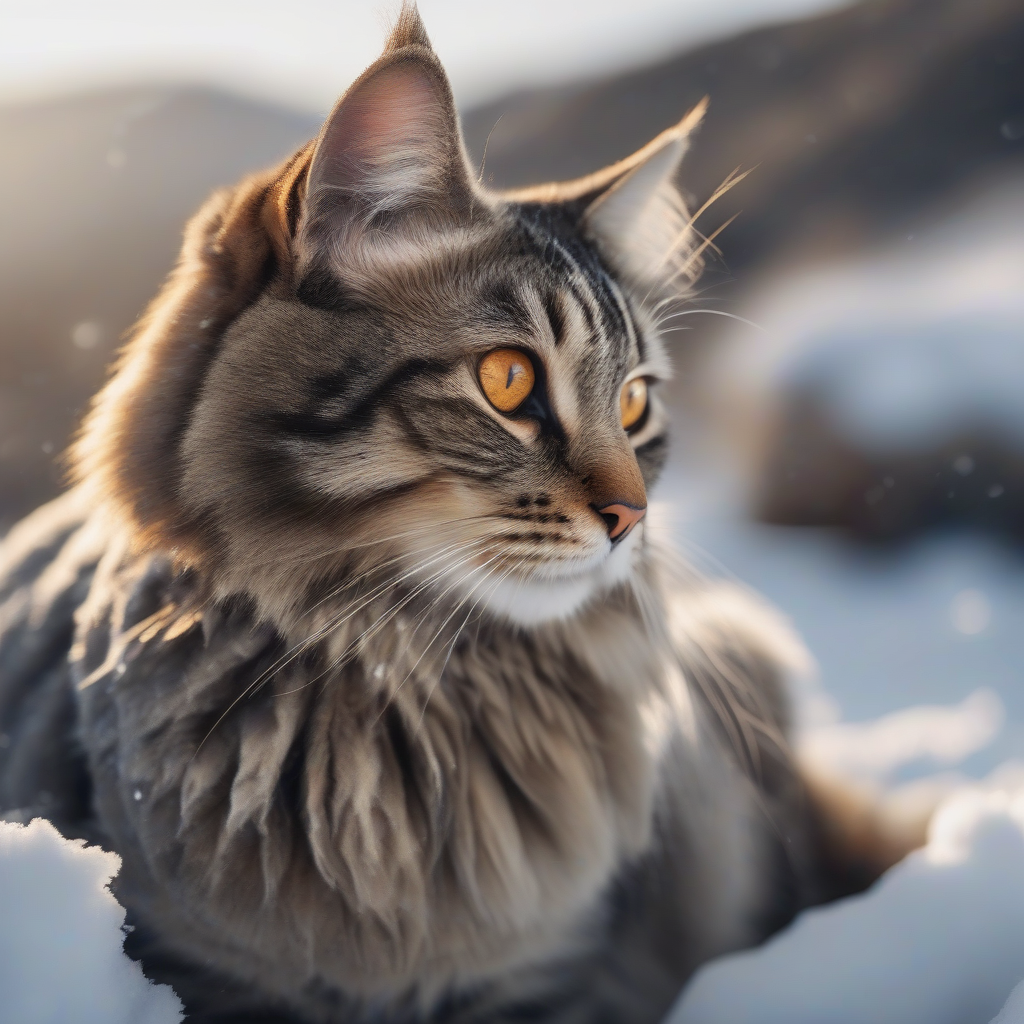
Kars Cat: The Resilient, Velvet-Pawed Heritage of the East
The Anatolian lands have been home to many civilizations for centuries, and they have also been the cradle of natural and unique cat breeds. We will talk about a velvet-pawed hunter from these lands, defying the cold and harsh climate of Kars city, from which it takes its name: the Kars Cat. This rare breed, which emerged through natural selection in Eastern Turkey, stands out for both its resilience and intelligence. As Sen YuDo Pet, we have prepared an in-depth article to help you get to know these striking and strong companions better.
Origin and History
The Kars Cat, as its name suggests, is a purely natural cat breed originating from the province of Kars in the Eastern Anatolia Region of Turkey. Although not fully recognized by official organizations, it is well-known and respected among the local population. For centuries, it has adapted to the harsh winter conditions and high-altitude geography of the region, excelling with its strong hunting abilities and robust physical structure. Natural selection has sharpened these cats' survival skills and their ability to perpetuate their lineage. The history of the Kars Cat is intertwined with the ancient past of the region; it has always played an important role in combating mice and other pests in farms, villages, and city centers. This has allowed them to form strong bonds with humans while maintaining their independent character.
Physical Characteristics
The Kars Cat typically has a medium to large size with a muscular and sturdy build. One of its most distinctive features is its dense, double-layered coat, which protects it from Kars' freezing cold. Their fur can usually be short or semi-long, but in both cases, it is thick and resilient against harsh weather conditions. Their colors are quite diverse; tabby, black, white, smoke, and even some spotted patterns can be found. Eye colors are generally amber, green, or copper tones, and sometimes heterochromia (different colored eyes) can be observed, although it is not as common as in the Van Cat. Their ears are medium-sized, with slightly pointed tips. Their tails are of medium length and usually bushy, providing a balanced proportion to their bodies. Strong legs and broad paws help them move easily in the snow. Their overall appearance carries a blend of elegance and a wild demeanor.
Temperament and Personality Traits
Kars Cats are intelligent, alert, and quite independent animals. They possess strong hunting instincts and display these traits in a home environment by playing or exploring their surroundings. They are energetic and love to climb and jump. While generally loyal and affectionate towards their owners, they are also fond of their own space and freedom. They may be shy towards strangers initially but can become quite social and loving once they trust. They can get along well with children and other pets, but this depends on early socialization. For those seeking a playful, interactive cat, the Kars Cat can be an excellent choice. Providing toys and activities that satisfy their intelligence and energy is crucial.
Care and Health
Kars Cats, being a product of natural selection, are generally very healthy and robust breeds. They are not known to be prone to specific genetic diseases, but like all cats, regular veterinary check-ups, vaccinations, and parasite prevention are essential. Due to their dense coat, grooming should be regular. Especially during seasonal changes when shedding increases, brushing several times a week will prevent hairball formation and maintain skin health. For nutrition, a high-protein, balanced cat food is recommended. Their energetic nature requires support from quality nutrients. Sufficient exercise and mental stimulation are also vital for their overall health. Clean water should always be accessible.
Living with a Kars Cat
Those considering adopting a Kars Cat should take into account its independent nature and high energy levels. Providing them with climbing structures, scratching posts, and interactive toys that satisfy their hunting instincts is essential for their happiness at home. If outdoor access is possible, a secure garden or enclosed area will be beneficial for them to display their natural behaviors. Early socialization will help them adapt more easily to a home environment and form strong bonds with family members. With the right environment and love, a Kars Cat offers a loyal and lively companionship that will last a lifetime. Their ancient spirit and natural beauty will add a unique depth to your home's atmosphere.
Conclusion
The Kars Cat is a unique natural cat breed shaped by the challenging conditions of Eastern Anatolia, yet capable of being a loving and loyal friend in a home environment. With their elegant appearance, robust structure, and intelligent temperament, they are a true treasure waiting to be discovered by cat lovers. As Sen YuDo Pet, we are delighted to contribute to the promotion of this special breed, and we are honored to highlight the distinct beauty and character of the Kars Cat. They are not just pets; they are also a living part of Anatolia's cultural heritage.