How to Prepare a First Aid Kit for Cats at Home
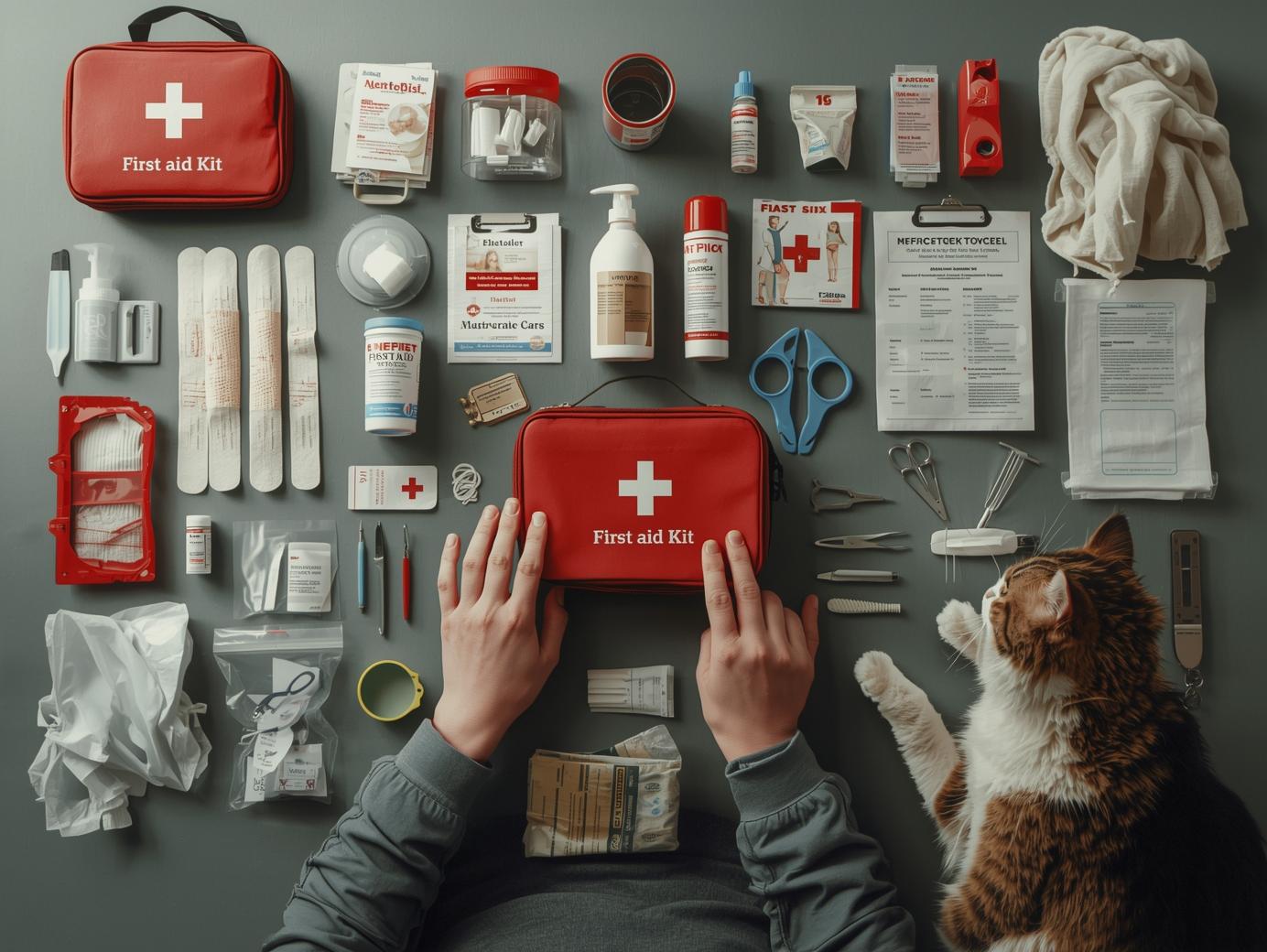
In case of emergency situations that may happen to your cat, keeping a first aid kit at home is of vital importance. Being prepared allows you to help your cat without losing time in a moment of panic. Here are the things that should be in a comprehensive cat first aid kit and practical suggestions:
Indispensable Materials
- Sterile gauze and bandage: For first intervention in bleeding and injuries.
- Antiseptic solution (betadine, chlorhexidine): For cleaning wounds.
- Scissors and tweezers: For removing foreign bodies, cutting bandages.
- Thermometer: Prefer a digital thermometer for tracking fever and body temperature.
- Disposable gloves: To reduce the risk of hygiene and infection.
- Emergency veterinary contact card: Contact information for your veterinarian and the nearest 24-hour open clinic.
- Syringe or dropper: For giving liquids or oral medication.
- Adhesive bandage and plaster: For small cuts and scrapes.
- Aluminum blanket: To maintain body temperature in case of shock or hypothermia.
- Cat catcher or carrier (edgeless towel method): For safe transport in a panic moment.
- Insulating gloves and goggles: Provides protection in case of contact with dangerous liquids or blood.
Extra and Useful Materials
- Medications your cat uses regularly (with veterinary recommendation)
- Wound sealing spray or cream
- Spare cover or towel for the carrier box
- Cotton, ear swab
- Tick removal apparatus
- Sugary water or honey for emergencies (against the risk of hypoglycemia)
- Cold compress and hot water bottle (use carefully for burn or shock situations)
- Digital notebook or taking photos with phone (to document injury/poisoning status)
Preparation and Usage Tips
- Store your kit in an easily accessible place.
- Regularly check expiration dates of materials.
- Inform family members about the location and content of the kit.
- Learn basic first aid applications beforehand to not panic in emergencies.
- Transport: You can provide safe transport by gently grasping behind the ears and wrapping with a towel.
Example Emergency Scenarios
1) Sudden Bleeding
- Quickly put on gloves and try to stop the bleeding by applying pressure with clean gauze.
- If the bleeding does not stop, consult a veterinary clinic immediately.
2) Suspected Poisoning
- Symptoms of poisoning: vomiting, salivation, shaking, weakness or seizure.
- If possible, save the substance or packaging the cat ate and report it to your veterinarian.
- Do not force vomiting; do not give any substance without veterinary instruction.
3) Hypothermia or Shock
- Wrap the cat with an aluminum blanket and provide a warm environment.
- Do not perform rapid heating; prefer lukewarm blankets and fast but controlled heating.
4) Tick or External Parasite
- When a tick is seen, remove it by pulling steadily from close to the head with a suitable tick removal apparatus.
- Put the removed tick into a container and show it to your veterinarian.
Training and Practice
- Perform basic first aid practices within the family: packaging, transport, basic bleeding control.
- You can participate in first aid courses given at veterinary clinics.
> Remember: A first aid kit can save lives but it is not a substitute for veterinary intervention. In every emergency, get professional help as soon as possible.