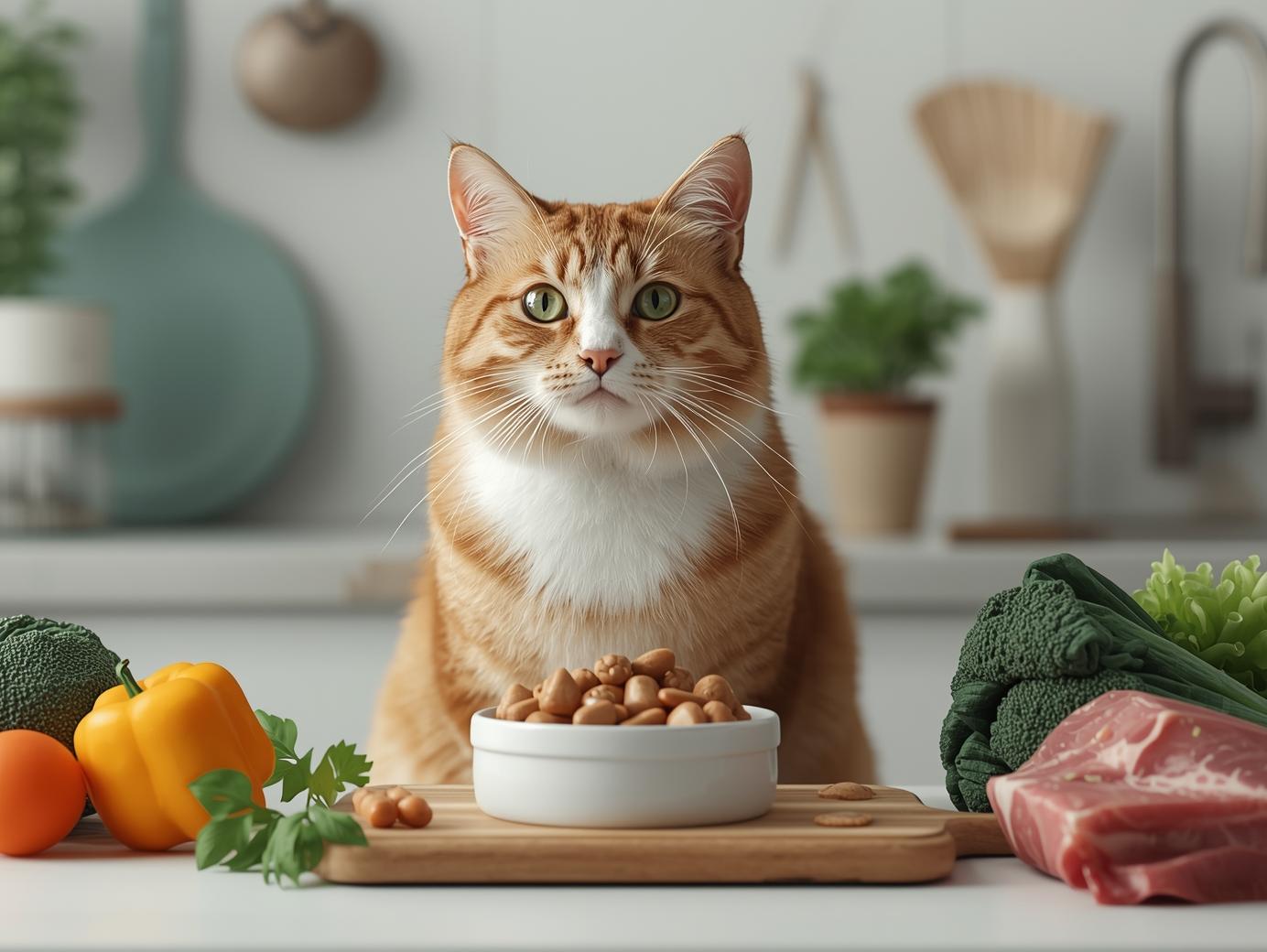
Healthy Nutrition Guide in Cats
Correct nutrition is very important for your cat to be healthy and long-lived. In this guide, you can find the ideal feeding schedule, food selection, water consumption, and points to be considered for cats.
Feeding Basics in Cats
- Protein-oriented nutrition: Cats are carnivores, animal protein should be the main nutritional source.
- Fat and carbohydrate balance: Fats are necessary for energy and skin health, carbohydrate ratio should be kept low.
- Water consumption: Cats generally drink little water, support water intake with wet food and keep fresh water.
Food Selection
- Food suitable for age, weight, and health status: Prefer different foods for kitten, adult, and old cats.
- Grain-free and additive-free foods: Choose foods with easy digestion and low allergy risk.
- Veterinary recommendation: If there is a special health condition (allergy, kidney, diabetes), use the foods recommended by the veterinarian.
- Limit treat foods: Excess treat food can lead to weight gain and unbalanced nutrition.
Feeding Mistakes and Things to Consider
- Giving too much food: Leads to obesity and joint problems.
- Human foods: Foods such as onion, garlic, chocolate, milk are harmful for cats.
- Transition in food change: Transition by mixing old and new food for 7-10 days when switching to new food.
- Portion control instead of free feeding: Give the daily food amount by measuring.
Practical Nutrition Suggestions
- Wash food and water bowls every day
- Keep food hours fixed
- Provide diversity by using dry and wet food alternately
- Regularly monitor your cat's weight and appetite
Determine your cat's feeding schedule with veterinary recommendation and check it regularly. Healthy nutrition ensures your cat is energetic, happy, and long-lived.