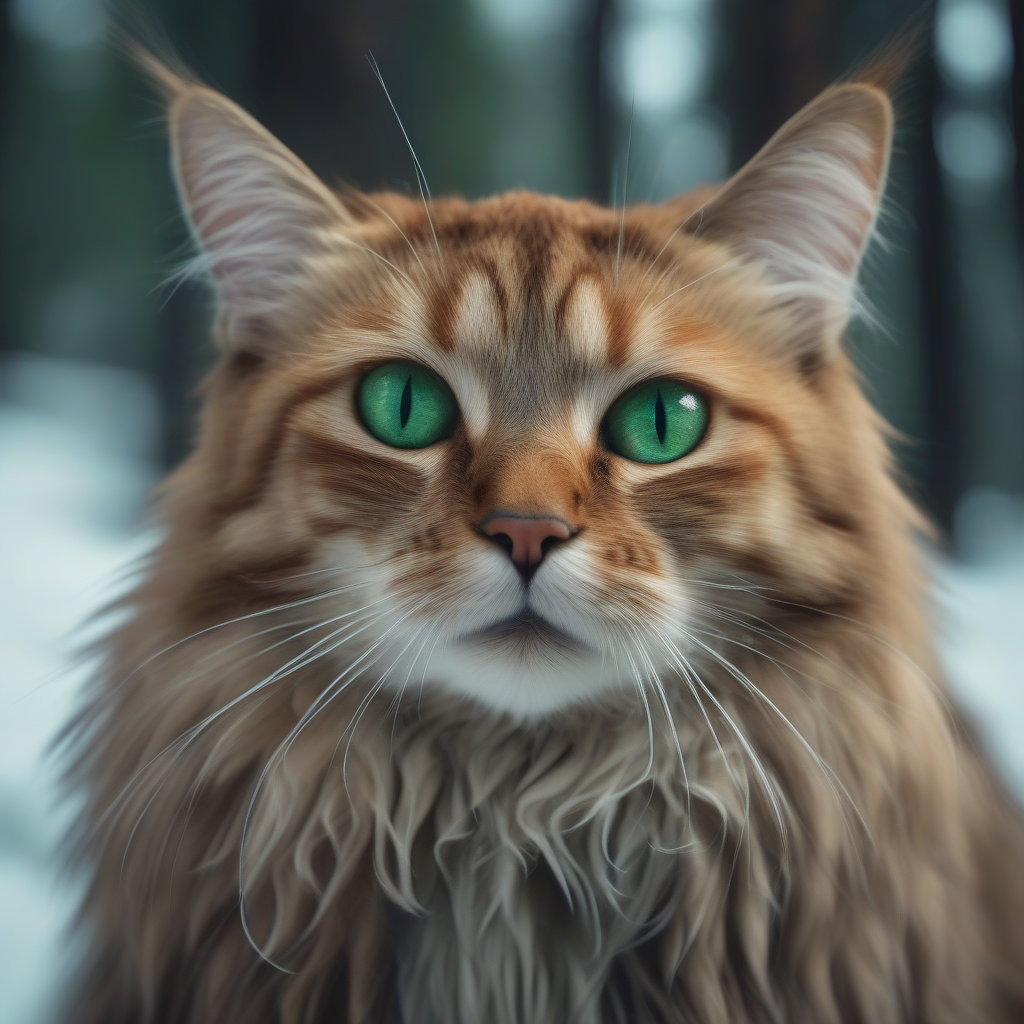
A-Z Cats: The Gusli Cat – Russia's Melodic Heritage
Russia, a country known for its vast geography and cultural richness, also boasts a remarkable array of natural cat breeds. Beyond world-famous breeds like the Siberian and Russian Blue, it harbors rare gems that, though not yet fully recognized on the international stage, are cherished with great affection and admiration by local communities. One such mysterious and melodic heritage is the Gusli Cat.
Origins and History
The Gusli Cat derives its name from 'gusli,' a traditional stringed instrument used in Russian folk music, often associated with melancholic or lyrical melodies. The reason for this nomenclature is the belief that some Gusli cats' purrs or meows possess a 'melodic' quality, reminiscent of the timbre of a musical instrument. It is believed to have originated naturally in Russia's more rural and forested regions, particularly among communities around the Ural Mountains and the Volga River. These cats are thought to have adapted to the region's harsh climatic conditions over centuries, developing a strong, resilient, and intelligent constitution. Although not yet officially recognized by any major cat federations, its existence is acknowledged and efforts are made to preserve it by local cat enthusiasts and small breeder groups within Russia.
Physical Characteristics
The Gusli Cat typically boasts a medium to large size, with a robust and muscular build. Their average weight can range from 4 to 8 kg (9 to 18 lbs), though larger specimens are not uncommon. Their overall appearance carries the wild yet elegant lines of a natural cat breed.
- Head: They have a rounded head with a strong jawline. Their nose is straight and of medium length.
- Ears: Medium-sized, slightly pointed at the tips, and set relatively close together. Some individuals may have tufts of fur inside their ears.
- Eyes: Generally oval-shaped and come in striking colors. Green, golden yellow, and copper tones are the most common eye colors. Their gaze is intelligent and inquisitive.
- Body: They possess a long and athletic body structure. Their chest is broad, and their legs are medium in length and muscular. Paws are rounded and strong.
- Coat: Both semi-longhaired and shorthaired variations can be found. They typically have a dense, double-layered, and water-resistant coat. This coat structure helps protect them from Russia's cold climate. Coat colors are quite diverse, including various tabby patterns (especially mackerel and classic tabby), solid, black, blue, smoke, and even some spotted patterns. Their fur has a silky feel to the touch.
- Tail: They have a medium-length tail, thick at the base and tapering towards the tip, usually well-furred and bushy.
Character and Temperament
In addition to their distinctive melodic vocalizations, Gusli Cats are known for their balanced and affectionate temperament. They are highly intelligent, curious, and love to play. They typically form strong bonds with people and are very loyal to their family members. They can get along well with children and other pets, though proper socialization from a young age is essential.
- Intelligence: Gusli Cats are quite intelligent and possess well-developed problem-solving skills. Hunting toy mice or engaging in puzzle toys are among their favorite activities.
- Playfulness: Thanks to their energetic and playful nature, they are unlikely to get bored at home. They are quite adept at climbing, jumping, and exploring. Providing them with plenty of toys and climbing structures is important.
- Sakinlik: Although they love to play, at the end of the day, they can be calm and affectionate enough to curl up on a lap and purr. They are not known to be aggressive or restless.
- Vocalizations: The 'melodic' sounds from which they get their name are one of their most distinctive features. Their meows and purrs can be more varied and resonant compared to other cats. They enjoy communicating and 'talking' with humans.
Care Tips
Caring for a Gusli Cat is generally straightforward, similar to other natural breeds. Regular care is essential for them to lead a healthy and happy life.
- Grooming: Semi-longhaired variations should be brushed 2-3 times a week, while shorthaired variations need brushing 1-2 times a week. This helps reduce shedding and keeps their coat healthy. During periods of heavy shedding, this frequency may need to be increased.
- Nutrition: A balanced diet with high-quality cat food should be provided. Selecting food appropriate for their age, activity level, and overall health is crucial. Portion control is important to prevent obesity.
- Health: Generally, they are a robust and disease-resistant breed. However, like all cats, regular veterinary check-ups, vaccinations, and parasite treatments should not be neglected. Dental and eye hygiene should also be attended to.
- Exercise and Mental Stimulation: Due to their energetic nature, they require plenty of physical activity and mental stimulation. Interactive toys, climbing trees, and daily play sessions help them stay fit.
Conclusion
The Gusli Cat is one of Russia's lesser-known yet captivating natural cat breeds. With its melodic vocalizations, robust build, and affectionate character, it is a strong contender to bring joy to our homes. If you have a special interest in Russian culture and music, and are looking for an intelligent, playful, and loyal companion, the Gusli Cat could be the perfect choice for you. As Sen YuDo Pet, we are always by your side as you discover this rare beauty!