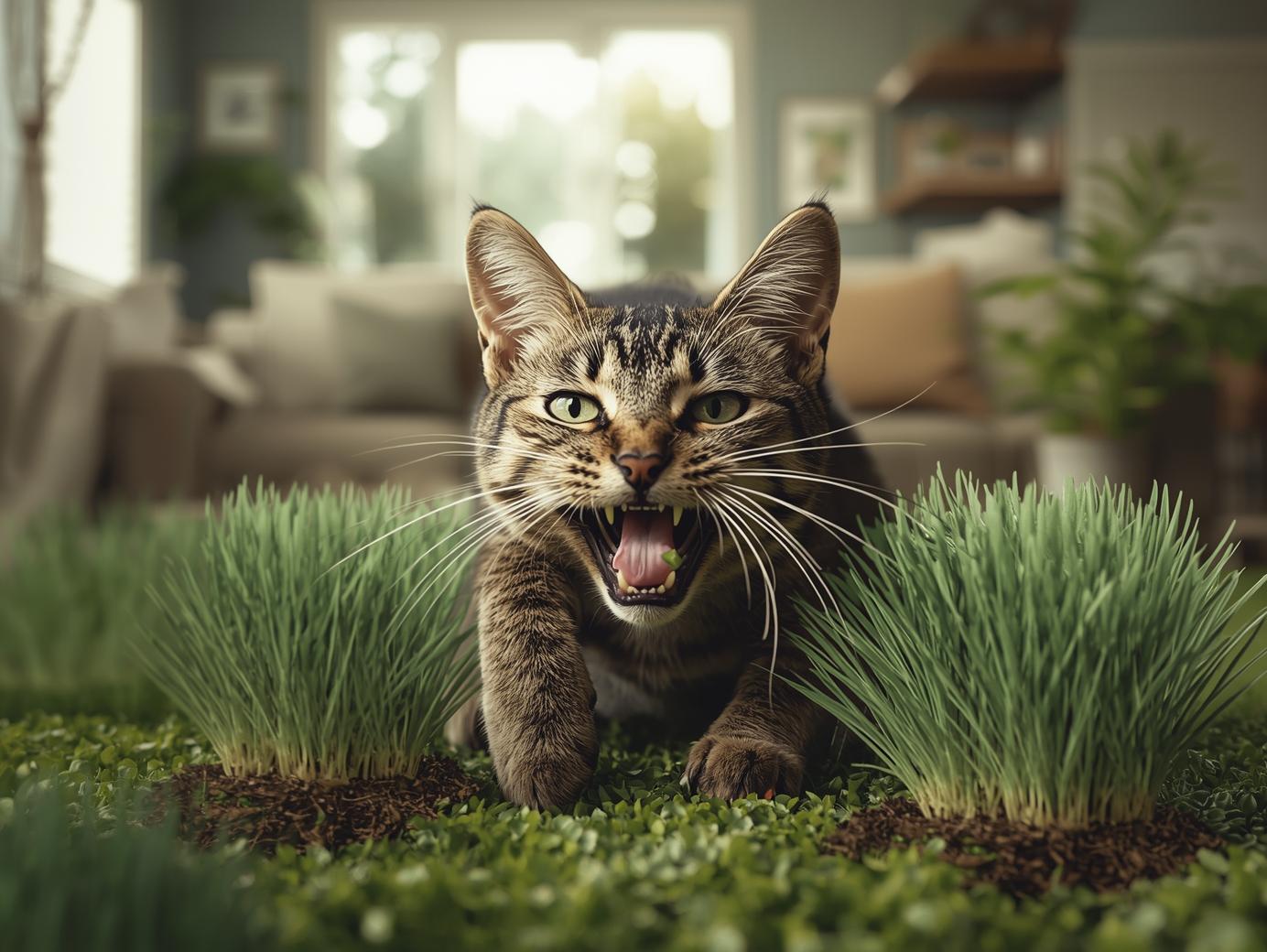
Grass-Dependent Behaviors and Causes in Cats
Eating grass in cats is a natural instinct and mostly a healthy behavior. However, excessive or wrong plant consumption can lead to health problems. In this guide, you will find the information necessary to understand and manage grass-eating behavior safely.
Reasons for Grass-Eating Behavior
- Digestive support: Fibrous plants regulate bowel movements and facilitate the passage of hairballs.
- Vitamin and mineral supplement: Some plants contain nutritional elements that cats naturally look for.
- Instinctual behavior: Wild cats consume the plants in the digestive systems of their prey; this instinct continues in house cats.
- Stress and anxiety: Sometimes repetitive grass-eating behavior can be stress-sourced.
Safe Plants and Cat Grasses
- Catnip: A safe and attractive plant for cats.
- Cat grass (Wheatgrass): Beneficial for digestion, rich in terms of vitamins.
- Barley grass: A safe alternative, rich in terms of vitamin B.
- Curly lettuce: Safe in low doses and is a source of fiber.
Dangerous and Toxic Plants
- Lily types: Can cause serious kidney damage.
- Philodendron: Causes burning and swelling in the mouth and throat.
- Dieffenbachia: Causes mouth and tongue swelling.
- Chamomile: Can lead to stomach discomfort and allergic reactions.
Symptoms of Excessive Grass Eating
- Frequent vomiting or gagging
- Diarrhea or constipation
- Loss of appetite
- Lethargy or restlessness
- Wounds or swelling around the mouth
Prevention and Management Strategies
- Offer safe alternatives: Grow cat grass at home or buy ready-made cat grasses.
- Environmental organization: Put dangerous plants in unreachable places or remove them from home.
- Planned access: Offer cat grasses at certain hours of the day, in controlled amounts.
- Enriched environment: Divert your cat's attention elsewhere with toys and activities.
Growing Natural and Safe Cat Grass
1. Use sterile soil and organic seeds 2. Provide regular watering and sunlight 3. Offer for the cat's access when their height is 10-15 cm 4. Renew overgrown or yellowing grasses
When to Apply to the Veterinarian?
- Excessive consumption: Grass-eating behavior several times a day
- Constant vomiting: More than one vomiting within 24 hours after eating grass
- Behavior changes: Abnormal mobility or lethargy
- Digestive problems: In case of diarrhea or constipation
> Important Note: Observe your cat's grass-eating behavior and keep records. This information will be useful in veterinary visits. Be sure to consult your veterinarian especially in sudden behavior changes.