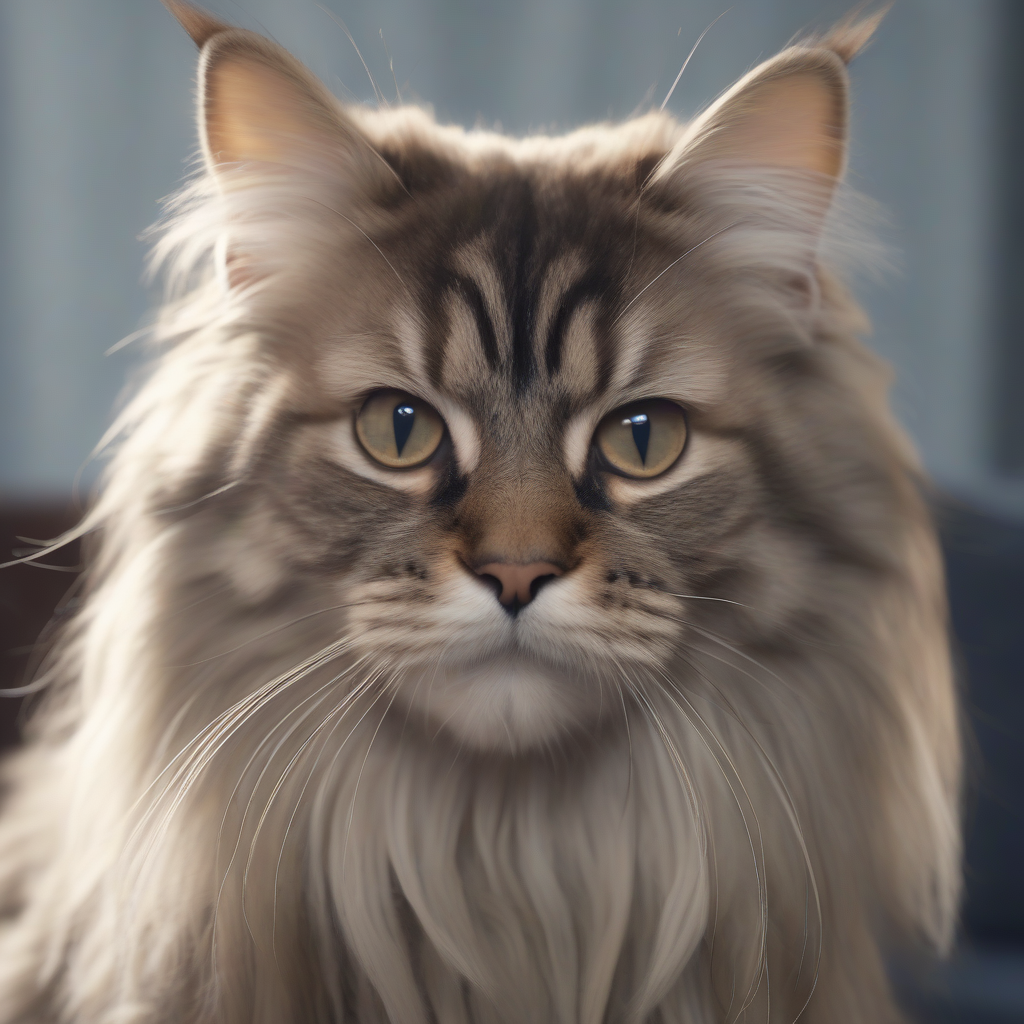
While many long-haired cat breeds exist in the feline world, the German Longhair (Deutsche Langhaarkatze) stands out as a relatively rediscovered beauty with its unique history and characteristics. Although this noble breed was often confused with or overlooked among other long-haired cats for many years, it began its journey towards renewed recognition in the late 20th century. With its elegant demeanor, silky fur, and calm disposition, the German Longhair has begun to win the hearts of cat enthusiasts.
Origins and History of the German Longhair
The origins of the German Longhair trace back to Central Europe, particularly Germany. In the early 1900s, with the rising popularity of Persian cats in Germany, naturally developing local long-haired cats were often mistaken for Persians or registered as such. However, some cat experts, like Dr. F. Schwangart, argued that these German long-haired cats were distinct from Persians, possessing longer legs, a more slender body structure, and a different coat type. Both World War I and II significantly hindered the development and recognition of this breed.
Towards the end of the 20th century, particularly in the 1980s and 1990s, some enthusiasts and breeders in Germany began efforts to revive the German Longhair as an independent breed. The goal was to create a robust and healthy long-haired cat breed that had developed through natural selection, without a genetic link to the Persian cat. As a result of these efforts, the breed was officially recognized as a distinct breed by international cat associations such as the WCF (World Cat Federation) in 2012. This recognition process is still ongoing, and the breed's popularity continues to grow.
Physical Characteristics
The German Longhair is a medium to large-sized cat with a balanced and strong build. Its physical characteristics distinguish it from other long-haired breeds:
- Body: It has a muscular and robust body structure. Unlike Persians, they are not short and stocky but possess a longer and more elegant appearance.
- Head: Medium-sized, slightly rounded, and with a strong jaw. The nose may have a slight curve.
- Ears: Medium-sized, slightly rounded at the tips, and set relatively apart. Tuft of hair (ear furnishings) are present inside the ears.
- Eyes: Large, oval, and vivid. Many colors can be seen, matching the coat color, but they are often in shades of green or copper.
- Legs and Paws: Medium-length, muscular legs with round, large paws. Tuft of hair may be present between their paw pads.
- Tail: Proportional to the body, long, and covered with dense fur. The plume of fur makes the tail appear even more magnificent.
- Coat: As its name suggests, its most distinctive feature is its long, silky fur. The coat is double-layered, consisting of a soft and dense undercoat and longer, shiny, water-repellent guard hairs. Unlike Persians, their fur is less prone to matting and requires less intensive grooming. The fur around the neck, chest, and tail is longer and denser. All colors and patterns are accepted.
Character and Temperament
The German Longhair possesses a calm, gentle, and adaptable character. These traits make them wonderful companions:
- Calm and Balanced: They are generally very calm and relaxed cats. Sudden outbursts or excessive hyperactivity are rarely seen. They prefer a peaceful environment at home.
- Affectionate and Loyal: They are very affectionate and loyal towards their owners. While not typically lap cats, they enjoy being near their owners and gentle petting. They form strong bonds with family members.
- Playful: Despite their calm nature, they also enjoy playing. They particularly enjoy interactive toys or short play sessions with their owners. They are intelligent and like to solve puzzle toys.
- Adaptable: They tend to get along well with children and other pets. They can easily adapt to new environments and changes, making them suitable for apartment living.
- Quiet: They are generally quiet cats that do not meow excessively. They tend to use their body language more to communicate.
Care and Health
As a long-haired breed, the German Longhair requires regular grooming, though not as intensively as Persian cats:
- Coat Care: To prevent tangles and keep their coat healthy, it is recommended to brush them 2-3 times a week. This frequency can be increased during shedding seasons. Special shedding brushes and combs will be useful.
- Nutrition: They should be fed high-quality cat food. A veterinarian should determine a suitable nutrition program based on their age, activity level, and general health condition.
- Dental and Ear Care: Regular brushing of their teeth and cleaning of their ears are important for their overall health.
- Health: Generally, they are a robust and healthy breed. However, like all cat breeds, they may have predispositions to certain hereditary diseases. Regular veterinary check-ups are crucial for early diagnosis and treatment of potential health issues. Their average lifespan is 12-15 years.
Conclusion
The German Longhair is a wonderful cat breed distinguished by its elegance, calmness, and loyalty. While its long and silky fur captures attention, its adaptable and affectionate nature brings joy to homes. This relatively lesser-known breed, with proper care and love, can live a long and healthy life, offering a unique companionship to its owners. If you are looking for a long-haired, calm, and noble cat, the German Longhair might be the perfect choice for you. At Sen YuDo Pet, we support our feline friends in living healthy and happy lives by offering products tailored to the unique needs of all cat breeds.