Genetic Testing for Cats: Unlocking Your Feline Friend's Health Map (March 2026 Trend)
Welcome to March 2026! In the world of pets, the boundaries of technology and science are expanding daily. We now have far more than just guesswork to understand our cats' overall health, behavioral tendencies, and even ideal nutritional needs. One of the most striking trends this month is feline genetic testing. Once considered only for humans or in rare cases of specific diseases, genetic analysis has now become a powerful tool enabling every cat owner to make more informed decisions for their furry friend. At Sen YuDo Pet, we emphasize the importance of delving into your cat's genetic code to create a personalized care map for them.
The Future of Feline Health in 2026 – What Do Genetic Tests Promise?
Cats, due to their genetic makeup, may be predisposed to certain diseases or vulnerabilities. In the past, we could only learn about these risks when symptoms appeared or at a certain age. However, as of 2026, genetic tests make it possible to identify these potential risks much earlier, even before symptoms develop. This allows us to take preventive measures, make lifestyle changes, and take proactive steps to ensure our cats live longer, healthier, and happier lives.
Genetic tests can reveal not only diseases but also your cat's unique personality, coat type, allergies, and even sensitivities to certain nutrients. Armed with this information, a cat owner approaches their furry friend with what is essentially an owner's manual. This is not just a trend but the evolving face of responsible cat ownership.
What Are Cat Genetic Tests and How Do They Work?
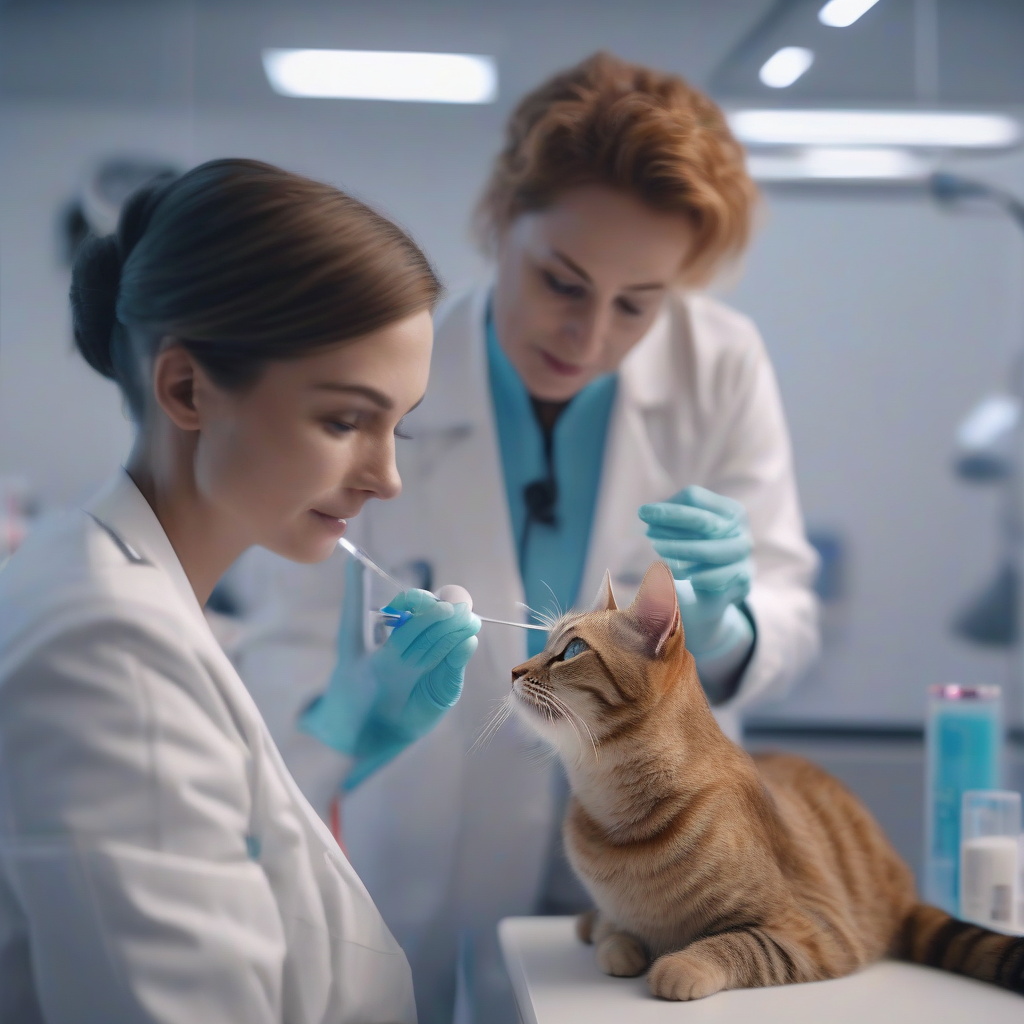
Cat genetic tests are scientific methods that analyze your cat's DNA to uncover information hidden within its genetic code. Most tests involve taking a simple cheek swab (saliva sample) or a blood sample, which can often be done easily at home. These samples are sent to specialized laboratories where genetic sequencing techniques are used to examine your cat's DNA. The laboratories screen thousands of genetic markers to identify potential disease mutations, breed identifiers, and other important genetic traits.
The results are typically delivered to you and, if you wish, your veterinarian, in a digital report within a few weeks. These reports explain complex genetic data in an understandable language, offering a comprehensive overview of your cat's genetic profile.
Why Should You Get Your Cat Genetically Tested? 5 Key Benefits
Getting your cat genetically tested not only satisfies your curiosity but also provides tangible benefits that help you offer them a better life:
1. Early Detection of Potential Disease Risks
Many cat breeds are more susceptible to certain diseases due to their genetic predispositions. For example, Maine Coons may carry the risk of Hypertrophic Cardiomyopathy (HCM), Persians Polycystic Kidney Disease (PKD), or Bengals Pyruvate Kinase Deficiency (PK Deficiency). Genetic tests can determine your cat's risk of developing such diseases in advance. Early detection allows for preventive treatment and lifestyle changes that can delay disease progression or mitigate its effects. This way, you can be prepared for potential future health issues and create a proactive health plan with your veterinarian.
2. Creating a Personalized Nutrition Plan
Every cat's nutritional needs are different. Some cats may show sensitivities to certain grains, protein sources, or lactose, while others may require more of specific vitamins and minerals. Genetic tests can reveal, based on your cat's genetic makeup, which nutrients it metabolizes better or which it might be intolerant to. With this information, working with your veterinarian or a feline nutritionist, you can create a personalized diet plan tailored to your cat's unique genetic needs. This helps reduce digestive issues, prevent allergies, and optimize their overall health.
3. Understanding Behavioral Tendencies
Cats' behaviors are not solely dependent on training and environmental factors; genetics also play a significant role. Certain genetic markers can influence your cat's susceptibility to stress levels, playfulness, social tendencies, or how it reacts to specific stimuli. For instance, recognizing a cat genetically predisposed to shyness or aggression can help you provide a more suitable living environment and prevent potential problems. With this information, you can better understand your cat's behaviors and develop personalized training and enrichment strategies.
4. Discovering Drug Sensitivities
Just like humans, cats can react differently to certain medications due to their genetic makeup. Some genetic mutations can affect how cats metabolize certain drugs, increasing the risk of side effects. Genetic tests can help your veterinarian determine which medications your cat might be sensitive to or which dosages would be safer. This information can be vital, especially for cats with chronic conditions or those requiring surgery.
5. Clarifying Breed Origins and Kinship
Especially for owners of rescued or mixed-breed cats, genetic tests can reveal their cat's breed origins and potential kinship ties. This information can help you better understand your cat's physical characteristics, potential health predispositions, and behavioral tendencies. It also provides a more complete part of your cat's story and can deepen the bond you share with them.
What Types of Genetic Tests Are Available?
As of March 2026, several types of feline genetic tests are available on the market:
- Comprehensive Health Panels: Broad tests that screen for multiple genetic diseases, drug sensitivities, and nutritional tendencies simultaneously.
- Single Disease Tests: More specific tests focusing on a particular disease (e.g., HCM, PKD) or a known genetic condition specific to a breed.
- Breed Identification Tests: Tests that determine your cat's breed mix as a percentage. Some comprehensive panels also include this feature.
Interpreting Genetic Test Results and Taking Action
Genetic test results often contain detailed scientific data. It is crucial to collaborate with your veterinarian to accurately interpret this data and determine the most appropriate action plan for your cat's health. Your veterinarian will combine genetic information with your cat's age, general health status, lifestyle, and environmental factors to provide a holistic perspective. For example, if a genetic predisposition is identified, special diets, regular check-ups, medication supplements, or habitat modifications may be recommended.
What You Should Know Before Getting a Genetic Test
- Choosing a Reputable Laboratory: Before testing, opt for laboratories with international accreditation, strong references, and recommendations from veterinarians.
- Cost: The cost of genetic tests can vary depending on the scope of the test and the laboratory you choose. Consider this factor when planning your budget.
- Limitations: While genetic tests provide invaluable information, genetics are not the only factor affecting your cat's health. Environmental conditions, quality of nutrition, stress levels, and care received are just as important as genetics. Test results offer a roadmap, but the ultimate health status is determined by the interaction of many factors.
Conclusion: An Informed Step Towards a Longer, Healthier Life for Your Furry Friend
As of March 2026, feline genetic testing has become a transformative technology in the pet ownership experience. Understanding your cat's genetic code allows you to develop a personalized care strategy, manage potential health issues early, and strengthen the bond between you and your feline companion. At Sen YuDo Pet, we invite every cat owner to take this innovative step and shape the future of their furry friends with science. Discover your cat's health map and provide them with the best life they deserve!