Feline Ergonomics: A Smart Design Guide for Your Cat's Comfort and Health (March 2026 Trend)
Welcome to March 2026! As new trends constantly emerge in the pet world, this month's highlight is an approach that directly impacts our furry friends' quality of life and is increasingly grounded in scientific principles: Feline Ergonomics. We know your cat is not just an aesthetic home accessory, but rather a delicate creature with unique physical needs and natural behavioral patterns. This is where feline ergonomics comes in, aiming to design your cat's environment in a way that suits its physical structure and instincts. In this guide, we will delve into what feline ergonomics means, why it is so important, and how you can implement it in your home.
What is Feline Ergonomics and Why is it the Highlight of March 2026?
Ergonomics is a concept commonly encountered in the context of human workplaces and product design. However, as of March 2026, "feline ergonomics" is rapidly gaining popularity in the pet industry. Feline ergonomics is the art of optimizing all product and living space arrangements, from food bowls to beds, scratching posts to litter boxes, with scientific data to create the most suitable environment for cats' physical structure, mobility, and natural behaviors.
Several key factors contribute to the rise of this trend:
- Conscious Pet Parenthood: Pet owners are becoming increasingly aware not only of their cats' survival but also of their desire for a healthy and happy life.
- Scientific Research: There is a growing body of research on the effects of environmental factors on cats' physical health. It is being proven that poorly designed products can lead to long-term health issues such as joint problems, digestive issues, or stress.
- Technology and Innovation: Advancements in fields such as 3D printing and smart material science are enabling the production of more personalized and ergonomic products tailored to cats' specific needs.
Understanding Your Cat's Physical Structure: Key Principles
Feline ergonomics takes into account your cat's spinal structure, joints, claws, and natural hunting/play instincts. For example, while cats' spines are highly flexible, prolonged postures at certain angles or repetitive movements can lead to chronic discomfort. Therefore, product design should support the cat's natural posture and movement.
Enhance Your Cat's Quality of Life with Ergonomic Solutions
Every item your cat uses in its daily life can be redesigned with ergonomic principles in mind.
1. Ergonomic Food and Water Bowls
As the importance of feline digestive health increases in March 2026, the ergonomics of food and water bowls come to the forefront.
- Elevated Bowls: Especially for older cats or those with joint problems, having food and water bowls at a certain height from the ground prevents the cat from excessively bending its neck while eating. This reduces pressure on the spine and facilitates swallowing.
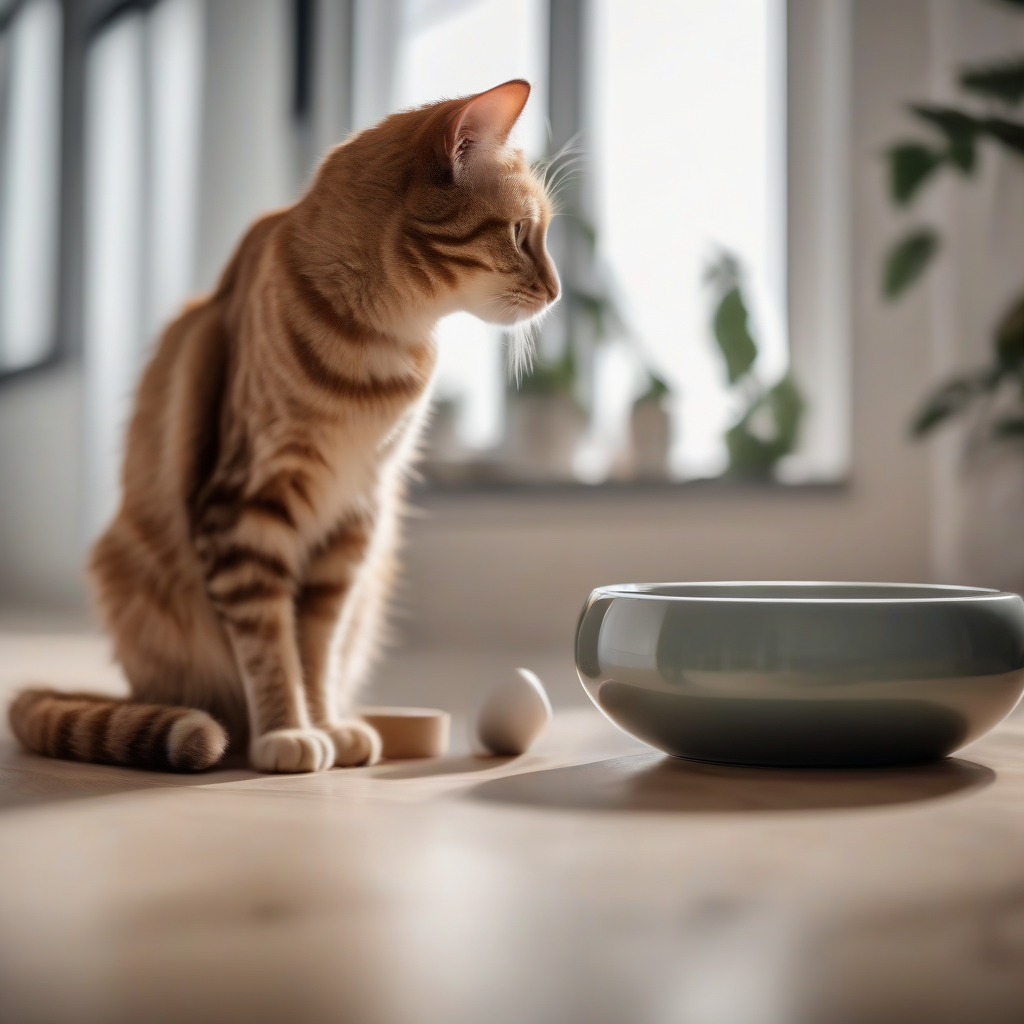
- Wide and Shallow Design: Cats' whiskers are very sensitive. To prevent whisker fatigue, bowls should be wide and shallow to prevent whiskers from touching the sides of the bowl. Stainless steel or ceramic are ideal for hygiene.
2. Comfortable and Supportive Resting Spots
Cats spend a large part of their day sleeping. Ergonomic resting areas are critical for quality sleep and musculoskeletal health.
- Orthopedic Beds: Orthopedic beds with memory foam or supportive filling reduce joint pressure, especially for older or arthritic cats.
- Elevated and Secure Hideaways: Cats feel safe in high places. Window perches or enclosed dens on a cat tree provide both a sense of security and satisfy their need to observe their surroundings.
3. Smart Play and Scratching Solutions
Play and scratching are essential for cats' physical and mental health. Ergonomic designs ensure these activities are more beneficial.
- Vertical Scratching Surfaces: Cats naturally sharpen their claws on vertical surfaces. Properly sized (tall enough for the cat to stretch fully) and sturdy scratching posts support the stretching of shoulder and back muscles.
- Puzzle Toys: Interactive toys that stimulate a cat's hunting instincts and are suitable for different skill levels provide mental stimulation and reduce stress. They should also be made of safe materials that are easy to grip and suitable for the cat's paw and mouth structure.
4. Accessible and Hygienic Litter Boxes
The litter box should meet your cat's privacy and hygiene needs, while also being accessible.
- Wide and Low-Entry Litter Boxes: Especially for older cats or those with limited mobility, a low and wide entry to the box makes it easier to get in and out.
- Adequate Space: Cats should be able to turn around comfortably and dig while using the litter box. An ergonomic litter box provides sufficient space for these natural behaviors.
Benefits of an Ergonomic Environment for Your Cat
Investing in feline ergonomics provides numerous benefits for your furry friend:
- Physical Health: Reduces the risk of joint pain, digestive problems, and obesity.
- Mental Well-being: Reduces stress, increases a sense of security, and encourages natural behaviors.
- Behavioral Harmony: Can prevent unwanted behaviors such as inappropriate urination or excessive scratching.
- Longevity: Increased overall health and quality of life lead to a longer and happier life.
How to Implement Feline Ergonomics in Your Home
1. Observe: Carefully watch how your cat eats, sleeps, plays, and uses the litter box. Where do they struggle? 2. Evaluate Existing Products: Review your current items, such as the height of food bowls, the support of their bed, or the sturdiness of scratching posts, from an ergonomic perspective. 3. Start with Small Changes: You don't have to replace everything at once. You can start with small steps, such as elevating food and water bowls. 4. Seek Professional Support: You can get advice from your veterinarian or a cat behaviorist tailored to your cat's specific needs. 5. Pay Attention to Material Selection: Choose hypoallergenic, durable, and easy-to-clean materials.
Conclusion
Feline ergonomics, one of the most significant trends of March 2026, is a reflection of acknowledging that your cat is not just a pet, but an individual to be respected. This approach ensures our furry friends live healthier, happier, and more comfortable lives by creating a living space that suits their natural needs and physical structure. Remember, small ergonomic adjustments you make for your cat's well-being can make a big difference in the long run. Act now and elevate your cat's quality of life to the next level!