March 2026 Trend: Feline Cognitive Dysfunction Syndrome (CDS) – A Guide to Protecting Your Aging Cat's Mental Health
As of March 2026, one of the most significant developments in pet health is the increasing awareness and new generation of management strategies for cognitive function loss observed in aging cats. As our furry friends live longer, we are encountering Feline Cognitive Dysfunction Syndrome (CDS), which exhibits symptoms similar to dementia in humans, more frequently. This month, Sen YuDo Pet shines a spotlight on the most current approaches that enhance the quality of life and support the mental health of your aging cat.
What is Feline Cognitive Dysfunction Syndrome (CDS)?
Feline Cognitive Dysfunction Syndrome (CDS) is the general term for a set of symptoms that develop in older cats due to brain aging and manifest as behavioral changes. Similar to Alzheimer's disease in humans, cats with CDS may experience memory loss, decreased learning ability, disorientation, and social interaction problems. This condition typically begins in cats aged 10 years and older, and symptoms can intensify with age. Research conducted by March 2026 emphasizes the importance of early diagnosis and a holistic care plan.
Symptoms of CDS: What Should You Look For?
The symptoms of CDS usually progress slowly and insidiously. Recognizing these symptoms is critical for early intervention. Veterinarians often categorize CDS symptoms using the acronym "DISHA":
- Disorientation (D): Your cat may appear confused in the house, get lost in familiar places, or stare blankly at walls or corners.
- Interaction Changes (I): Decreased interaction with you or other pets, showing less interest, or reacting more irritably.
- Sleep-Wake Cycle Disturbances (S): Restlessness and meowing at night, while sleeping more than usual during the day.
- House Soiling (H): A cat that has never had litter box problems beginning to urinate or defecate outside the litter box.
- Activity Changes (A): Decreased or increased activity levels, aimless wandering, or excessive grooming.
If you notice any of these symptoms, it is important to consult a veterinarian, as these symptoms can also be indicative of other health problems.
Diagnosing CDS: Collaborating with Your Veterinarian
CDS is a diagnosis of exclusion, meaning it is made after ruling out other conditions that could cause similar symptoms. Therefore, CDS is considered after other health issues such as thyroid problems, kidney failure, diabetes, or tumors that could mimic the symptoms are excluded.
The Importance of Home Observations
Your veterinarian will listen carefully as you describe the changes in your cat's behavior. Taking notes on when symptoms started, how long they have been ongoing, and their severity is crucial for an accurate diagnosis. Some mobile applications and digital diaries developed by March 2026 can help you systematize these observations.
Physical and Neurological Examination
Your veterinarian will perform a comprehensive physical examination to assess your cat's general health. Blood tests, urinalysis, and if necessary, imaging methods (X-rays, ultrasound) will be used to screen for other health problems. A neurological examination will assess nervous system functions.
Strategies to Support Your Aging Cat's Mental Health (March 2026 Approaches)
While there is no definitive cure for CDS, it is possible to improve quality of life and slow the progression of the disease. As of March 2026, holistic and personalized approaches are gaining prominence:
1. Nutrition and Supplements: Critical Steps for Brain Health
Special diets and supplements that support brain health play a key role in CDS management.
- Antioxidants: Antioxidants like Vitamin E and Vitamin C can support cognitive function by protecting brain cells from free radical damage.
- Omega-3 Fatty Acids (DHA and EPA): These fatty acids, derived from fish oil, are building blocks of brain cells and can improve cognitive health by reducing inflammation.
- B Vitamins: Essential for neurological functions.
- Medium-Chain Triglycerides (MCTs): Some research suggests that MCTs can provide an alternative energy source for the brain, potentially improving cognitive function. They can be offered through specially formulated foods or veterinarian-approved supplements.
2. Environmental Enrichment: Safe and Stimulating Spaces
For older cats, the environment should be both safe and gently stimulating.
- Easy Access: Ensure easy access to litter boxes, food and water bowls, and bedding areas. Use steps or ramps if necessary.
- Comfortable Spaces: Provide comfortable, soft beds and quiet corners.
- Lighting: Especially at night, use low lighting in areas where your cat moves to facilitate orientation.
- Consistent Setup: Avoid sudden changes in furniture arrangement; the layout of the home should be predictable for your cat.
3. Cognitive Exercises: Ways to Keep the Mind Active
Simple and short periods of mental stimulation can help keep your cat's mind active.
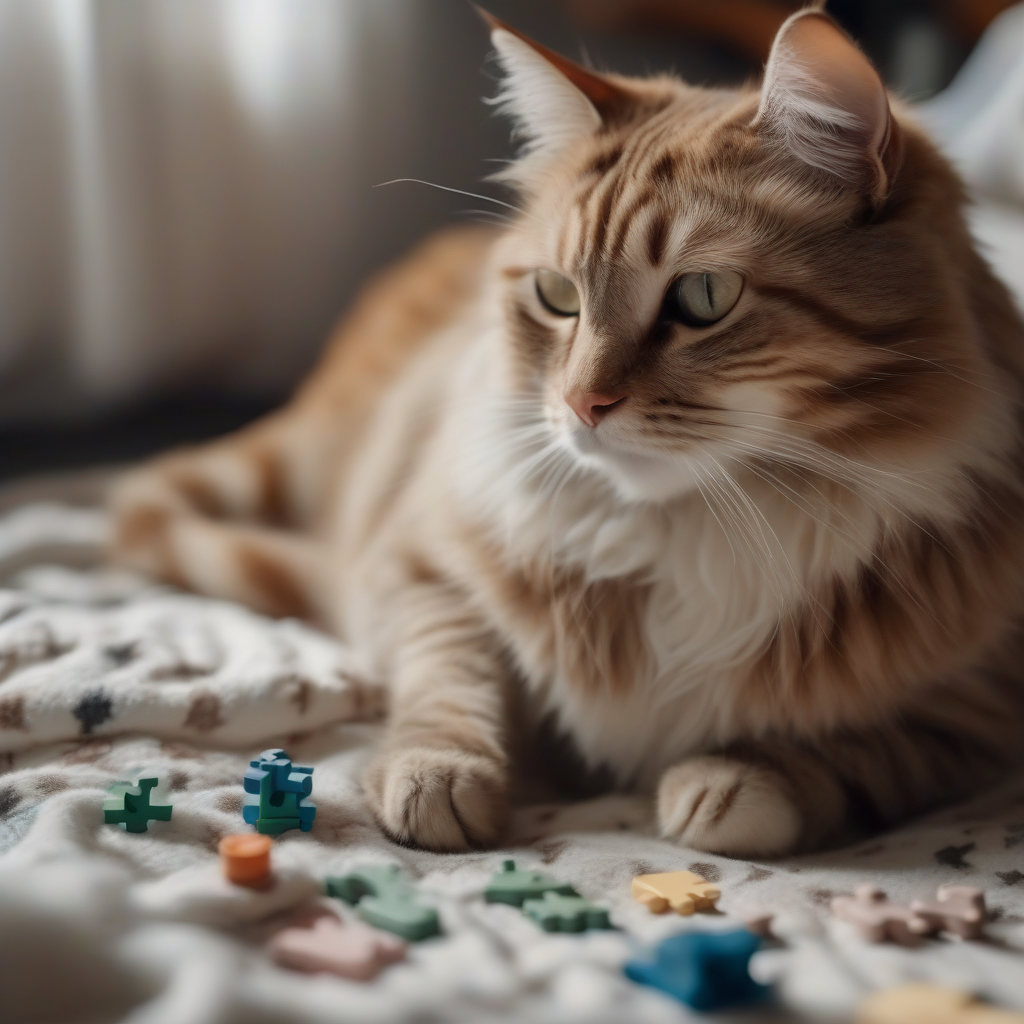
- Simple Puzzle Toys: Use easy puzzle toys where you can hide treats. Ensure they are not too challenging initially.
- Short Play Sessions: Organize short, gentle play sessions with your cat. Hand-controlled toys like feather wands may be more effective than laser pointers.
- Food Hunt: You can stimulate hunting instincts by hiding food in different, easily accessible places around the house.
4. Routine and Safety: Reducing Confusion
A consistent daily routine provides security and predictability for cats with CDS. Feeding times, playtimes, and sleep schedules should remain as consistent as possible. Take precautions within the home to reduce the risk of falls from stairs or high places.
5. Regular Veterinary Check-ups: The Importance of Early Intervention
Regular veterinary check-ups for your aging cat are vital for monitoring overall health and tracking the progression of CDS. Your veterinarian can recommend appropriate medication (e.g., drugs that support cognitive function) or additional supplements.
Improving Quality of Life: Support with Love and Patience
Caring for a cat with CDS requires patience and understanding. Do not take changes in your cat's behavior personally. By offering them extra love, understanding, and a safe environment, you can help them navigate their senior years in the best possible way. In March 2026, cat parents are more informed and equipped to provide full support to their furry companions during this special period.
Conclusion: A Conscious Approach in March 2026
Feline Cognitive Dysfunction Syndrome is a challenging condition faced by our aging companions. However, with the knowledge and resources available as of March 2026, we can significantly improve your cat's quality of life by recognizing the symptoms, intervening early, and implementing appropriate care strategies. Remember, your veterinarian is always your cat's best health partner.