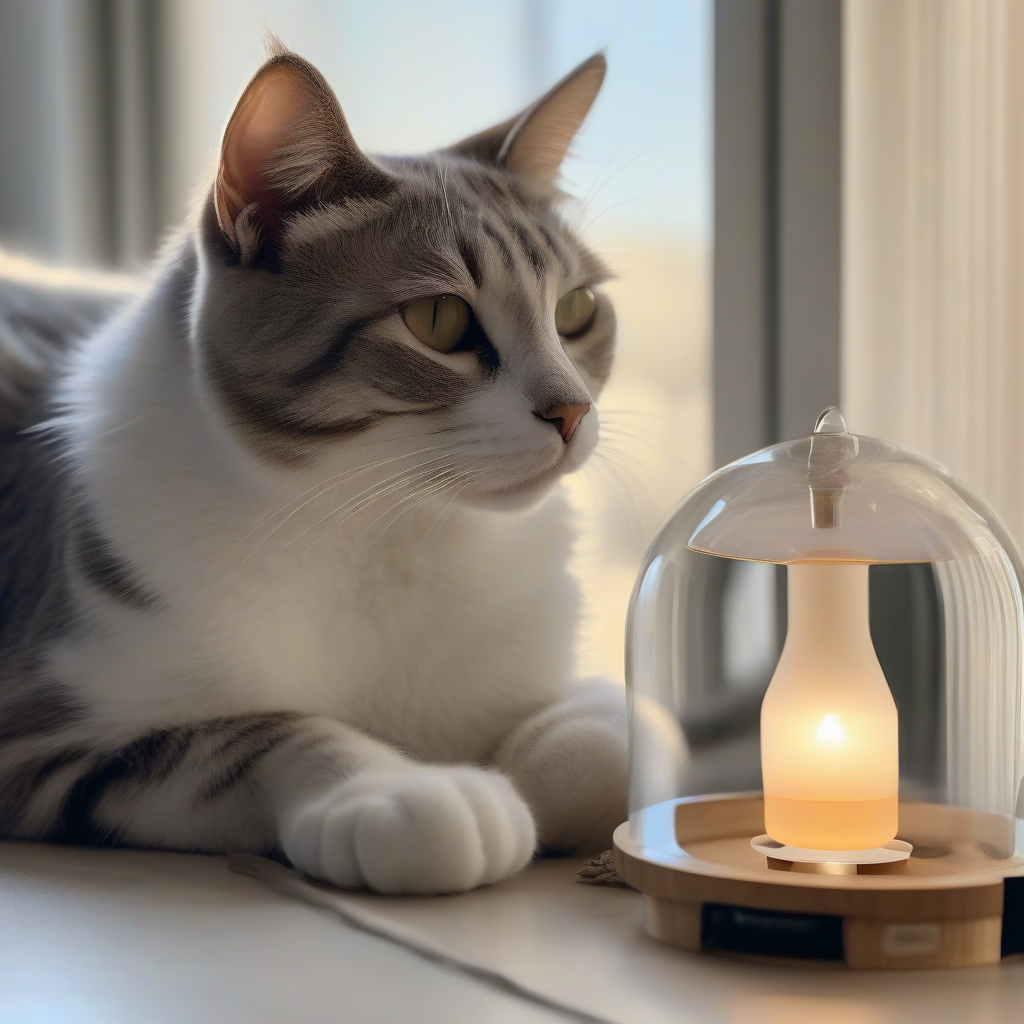
March 2026's Viral Trend: Feline Aromatherapy to Transform Your Cat's Mood – A Guide to Balance and Peace with Natural Essences!
As we step into March 2026, our quest for pet welfare is deepening. Our cats' mental well-being, not just their physical health, is becoming a priority. In this context, there's a rapidly spreading trend, particularly on social media, that has also caught the attention of veterinarians: Feline Aromatherapy. This method, which utilizes the power of natural essences to manage your cat's stress, reduce anxiety, and balance their overall mood, can significantly improve your furry friend's quality of life when applied correctly. However, it's crucial to remember that cats have vastly different metabolisms than humans, and possessing knowledge on this delicate subject is vital. As YuDo Pet, we offer you a comprehensive guide to explore the depths of this viral trend.
What is Feline Aromatherapy and Why Is It So Popular?
Feline aromatherapy involves using essential oils and hydrosols (floral waters) derived from plants to support the physical and emotional well-being of cats. Unlike human aromatherapy, it requires a much more cautious and restricted approach due to cats' unique physiology and their extremely sensitive sense of smell. Cats lack certain liver enzymes (glucuronidase) that metabolize oils, meaning they cannot effectively break down some essential oil components. This implies that incorrect oils or high concentrations can lead to severe toxicity.
One of the reasons this topic has become so popular by March 2026 is the rise of holistic pet care philosophy combined with the demand for personalized solutions integrated with technological advancements. We are now focusing on improving our cats' quality of life and emotional balance through sustainable methods, rather than merely treating symptoms. "Calm cat" videos and searches for "natural ways to relieve cat anxiety" on social media platforms are fueling the interest in aromatherapy.
Safe Feline Aromatherapy Essences and Hydrosols for Cats
The term "essential oil" in feline aromatherapy is often misunderstood. Most essential oils can be toxic to cats. Therefore, hydrosols (floral waters) are generally preferred for cats. Hydrosols are lighter and safer byproducts formed during the distillation process of essential oils. They offer therapeutic benefits without the intense chemical compounds found in essential oils.
Some Hydrosols Considered Safe for Cats and Highly Diluted Essential Oil Use Cases:
- Lavender Hydrosol (Lavandula angustifolia): Known for its calming and relaxing effects. Can help with anxiety and stress.
- Chamomile Hydrosol (Matricaria recutita): Possesses anti-inflammatory and calming properties. Also suitable for sensitive skin.
- Rose Hydrosol (Rosa damascena): Used as a gentle, soothing, and emotional balancer.
- Frankincense Hydrosol: Known for its anti-inflammatory and supportive properties.
- Highly Diluted Valerian Essential Oil (via Passive Diffusion): Can be considered only when extremely diluted, with passive diffusers, when the cat has an escape route, and under veterinary supervision. Direct contact or licking must be strictly avoided.
Essential Oils Never to Use: Oils like tea tree, peppermint, eucalyptus, pine, citrus (lemon, orange), cinnamon, thyme, clove can be deadly for cats and should be absolutely avoided.
Feline Aromatherapy Application Methods and Golden Rules
When applying aromatherapy to cats, the most important aspect is to respect their sensitive nature and always prioritize safety.
Application Methods:
1. Passive Diffusion: This is the safest method where essential oils (if used very carefully and diluted) are dispersed into the air. This could be placing a highly diluted oil on a cotton ball in a well-ventilated room where the cat cannot directly access it. Never use ultrasonic diffusers, as these spread the oil with water vapor, leading to intense exposure on the cat's fur, skin, and respiratory tract. For hydrosols, safer spraying methods can be considered. 2. Environmental Spray (for Hydrosols): Very diluted sprays made from safe hydrosols can be lightly misted onto the cat's bed, carrier, or specific corners of a room. Avoid spraying directly on the cat or their food. 3. Gentle Massage (with Hydrosols Only): In some cases, under the guidance of a vet or a certified aromatherapist, a very gentle massage with a hydrosol may be applied. However, this must be done with extreme caution, observing the cat's reactions. Direct application of essential oils to the cat's skin is generally not recommended.
Golden Rules:
- Veterinary Approval is Essential: Always consult your veterinarian before starting any aromatherapy application. This is crucial, especially if your cat has a chronic illness.
- Provide an Escape Route: The cat must be able to move away from the scented environment whenever they wish. Do not confine them to a closed space.
- Extreme Dilution: If essential oils are to be used very rarely and in special circumstances, they must be extremely diluted (e.g., very low concentrations like 0.01%-0.05%).
- Observation and Reaction: Carefully observe how your cat reacts to the scent. Symptoms like wheezing, sneezing, drooling, restlessness, or loss of appetite can be signs of toxicity. In such cases, stop the application immediately and contact your veterinarian.
- Do Not Force: Never force the cat if they dislike the scent or show discomfort.
- Quality Products: Use only pure, therapeutic-grade, and organic hydrosols or essential oils approved by a veterinarian.
March 2026 Trends and Innovations in Feline Aromatherapy
As of March 2026, the field of feline aromatherapy is gaining new dimensions by combining technological advancements with holistic health approaches:
- Smart Diffusers: Smart diffusers that can automatically adjust scent release based on your cat's daily activity and rest cycles offer a controlled and safe experience. These devices detect if the cat is in the room and activate only at appropriate times.
- Personalized Scent Profiles: With AI-powered applications and veterinary guidance, custom aromatherapy blends (usually hydrosol-based) can be created according to your cat's breed, age, health history, and behavioral characteristics.
- Integrated Wellness Programs: Feline aromatherapy is now being offered as part of a holistic wellness program, integrated with sleep improvement, play therapy, and nutrition plans.
Conclusion: A Conscious Approach for Natural Balance and Peace
Feline aromatherapy is a powerful tool that can bring peace and balance to your cat's life through natural means. However, using this power requires a conscious, knowledgeable, and extremely careful approach. When experiencing this rising trend of March 2026, your priority should always be your cat's safety and well-being. Do not hesitate to consult an expert and carefully observe your furry friend's reactions. With the right approach, you can step into this new world that strengthens the bond between you and your cat, offering them a calmer, happier life.