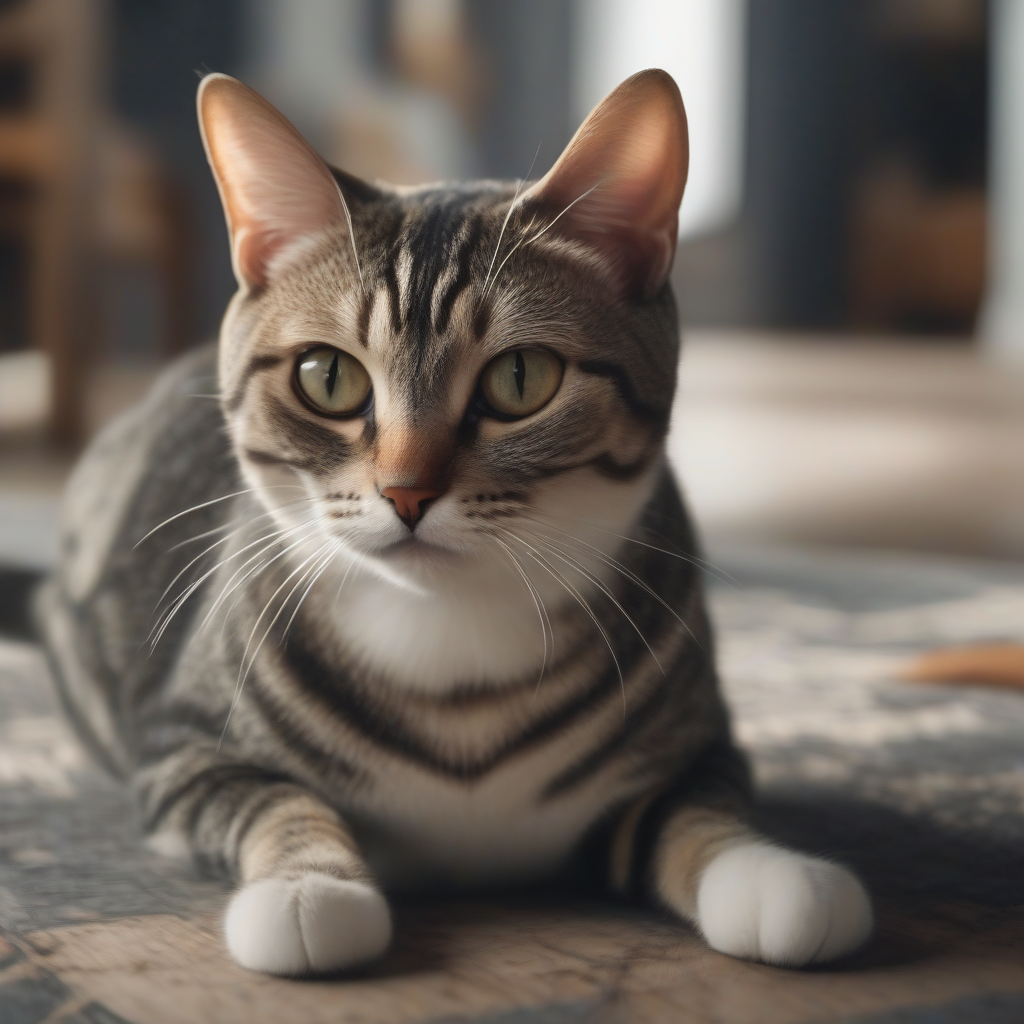
The European Shorthair: The Continent's Hidden Nobility and Grace
Behind that familiar face you might see on every street corner, perhaps mistaking it for a common house cat, lies a noble breed carrying the traces of thousands of years of natural selection and European history: the European Shorthair Cat. Although often confused with 'domestic cats' or 'alley cats', this breed actually possesses distinct standards, a robust build, and a captivating personality. At Sen YuDo Pet, we are ready to illuminate this often-overlooked gem for you. Let's delve into the depths of the European Shorthair and uncover every detail that makes it special.
History and Origin: Europe's Natural Heritage
The history of the European Shorthair Cat is as old as the European continent itself. Its origins trace back thousands of years to the Roman Empire, when domestic cats were first introduced to Europe. These cats earned their keep by hunting mice in farms and homes, adapting to geographical conditions and natural selection to develop their current strong build and resilient character. For many years, crossbreeding with other breeds was prevented, allowing it to develop as a purebred European native breed.
Official recognition of the breed occurred in the mid-20th century, specifically in 1949 in Sweden by FIFE (Fédération Internationale Féline). At that time, they were often confused with the British Shorthair, so FIFE registered them as a separate breed, ensuring the preservation of their unique characteristics. This made the European Shorthair not just a geographical designation, but an internationally recognized cat breed with specific physical and characteristic traits.
Physical Characteristics: A Robust and Aesthetic Appearance
The European Shorthair is a medium to large-sized cat with a muscular and athletic build. Its sturdy body and strong legs indicate that it is agile and an excellent hunter. Their heads are broad and round, with prominent cheeks. Their noses are medium-length and straight. The ears are medium-sized, slightly rounded at the tips, and set relatively close together.
One of their most striking features is their eyes. They typically have large, round eyes with vibrant and expressive colors (green, yellow, copper, or various shades) that usually match their coat color. Their gaze is intelligent and full of curiosity. Their short, dense, glossy, and resilient coat lies close to their body. These hairs provide good protection against cold and moisture. The range of coat colors and patterns is quite extensive: many variations can be seen, such as tabby, solid colors (black, white, cream, blue, etc.), bicolour, and even tricolour (calico). Each showcases the natural diversity of this breed.
Temperament and Personality: Intelligent, Playful, and Affectionate
European Shorthair Cats are known for their intelligence, adaptability, and friendliness. Being highly intelligent, they learn quickly and adapt easily to household routines. Their curious nature makes them enjoy exploring their surroundings and learning new things. They love to play; puzzle toys and interactive games are their favorites. Strong hunting instincts mean you'll often see them chasing mice or toys.
They form strong bonds with humans and can be quite affectionate. However, they also cherish their independence; rather than sitting on a lap for hours, they prefer to be by your side and receive attention. This doesn't mean they don't enjoy being cuddled, just that they prefer to make their own decisions. They generally get along well with children and other pets (especially if socialized early), making them a wonderful family cat. Their ability to easily adapt to new situations and changing environments makes them suitable for all types of home settings, from apartment living to rural life.
Care and Health: A Low-Maintenance Companion
European Shorthair Cats are generally a healthy and robust breed. Their development through natural selection has made them quite resistant to genetic diseases. Their average lifespan can extend up to 15 years. The most important steps to maintain their health are a balanced and high-quality diet, regular veterinary check-ups, and adherence to the vaccination schedule.
In terms of care, they are also quite low-maintenance. Their short, dense coats can be easily managed with a weekly brushing. This not only reduces shedding but also helps keep the skin healthy and the coat shiny. Dental and nail care should also be performed regularly. Being an active breed, they require sufficient physical activity. Scratching posts, toys, and daily play sessions are important for both their physical and mental well-being.
Why Should You Adopt a European Shorthair Cat?
The European Shorthair Cat is an ideal pet in many ways:
- Robust and Resilient: Thanks to natural selection, they are resistant to diseases and have a long lifespan.
- Easy Care: They don't require intensive coat care, making them suitable for busy individuals.
- Intelligent and Trainable: They learn quickly and enjoy puzzle games.
- Adaptable and Affectionate: They get along well with children and other pets, adapting easily to family environments.
- Unique Personality: Their independent spirit and playful nature ensure life with them is never boring.
Conclusion
The European Shorthair Cat is more than just a cat breed; it is a living part of Europe's natural and cultural heritage. With its striking patterns, athletic build, and loving, intelligent personality, it will bring warmth, joy, and adventure into your home. If you are looking for a robust, easy-to-care-for, intelligent, and affectionate companion, the European Shorthair Cat might be the perfect choice for you. Adopting one means not only getting a pet but also bringing a strong connection to history and nature into your home.