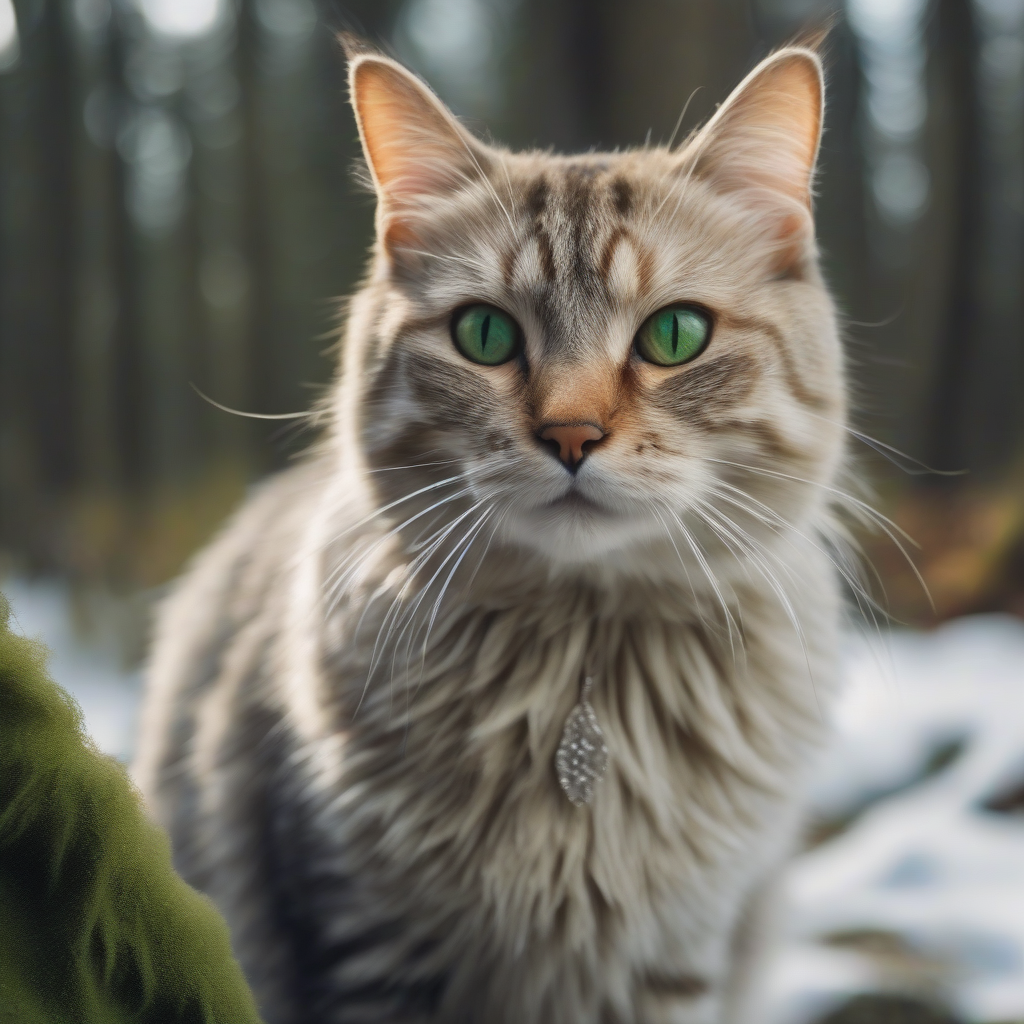
A to Z Cats: The Estonian Cat – A Graceful Heritage Defying the Baltic's Cold Winds
The world of cats is home to countless unique breeds shaped by diverse geographies and climates. Estonia, with its cool Baltic Sea waters and lush, dense forests, is also home to its own natural beauty: the strong and graceful Estonian Cat. Rather than being a widely recognized pedigreed breed, the Estonian Cat is a landrace that has evolved through natural selection over centuries in the Estonian countryside and cities, perfectly adapting to the country's climate and living conditions. In this article, we will embark on a journey into the mysterious world of these special felines, thoroughly examining their history, physical characteristics, temperament, and care.
History and Origins
The history of the Estonian Cat is as ancient and natural as the land of Estonia itself. These cats are not the product of a specific breeding program but have developed independently in Estonian farms, towns, and forests. Their vital role in controlling rodents and pests in agricultural societies ensured their popularity and protection among people. Their resilience to harsh Baltic winters and natural hunting abilities have been key to their survival and proliferation. This process of natural selection has endowed the Estonian Cat with its current resilient, intelligent, and independent character. While not fully recognized as a breed by official cat associations, they are held in deep affection and respect among cat lovers and locals in Estonia.
Physical Characteristics
The Estonian Cat typically has a medium-sized, athletic, and robust body structure. Their bodies are muscular and well-balanced, suitable for agile movements and hunting. Their physical attributes have evolved to withstand the challenges of the Baltic climate:
- Coat: One of their most striking features is their dense and waterproof coat. This fur protects them from cold and damp weather. They generally have short to medium-length hair and may shed more during seasonal molting periods. Coat color and pattern variety is quite extensive; tabby, black, white, grey, cream, and various bicolor combinations are common.
- Head: They have a proportionate head with rounded contours. Their medium-sized ears stand erect and sometimes have slightly pointed tips.
- Eyes: They often have large and expressive eyes. Eye colors are typically green, yellow, or amber tones, but different colors may be seen in some individuals.
- Tail: They possess a strong, medium-length tail that tapers towards the tip and can sometimes be slightly curled.
Temperament and Character
Estonian Cats, as a result of natural selection, have a very balanced and harmonious temperament. Some key character traits that make them unique include:
- Independence: By nature, they are quite independent. They enjoy spending time alone, and their instincts for exploration are well-developed. However, this does not mean they are unloving.
- Loyalty and Affection: They can be extremely loyal and affectionate towards the people they bond with. They particularly enjoy loving cuddles and close contact with those they trust.
- Intelligence and Hunting Prowess: They are highly intelligent and alert animals. Their natural hunting skills are well-developed, and they may even enjoy hunting mice or insects indoors. They require mental stimulation, and puzzle toys can keep them engaged.
- Adaptability: They can easily adapt to different living conditions, both in the city and in rural areas. They are generally calm and observant when faced with new situations.
- Quiet Nature: They are generally not very vocal cats. They meow when they need something or want attention, but overall they have a calm disposition.
Health and Care
Being a natural breed, Estonian Cats are generally quite robust and healthy. They are not known to be predisposed to specific genetic breed-related diseases, which often makes them long-lived and hardy.
- Nutrition: Feeding them high-quality cat food is essential for a healthy life. Food selection should be appropriate for their age, activity level, and health status.
- Coat Care: Due to their dense coat, regular grooming is important. Brushing several times a week helps reduce shedding and prevent the formation of hairballs. This frequency can be increased during seasonal shedding periods.
- Veterinary Check-ups: Like all cats, Estonian Cats require regular veterinary check-ups, vaccinations, and parasite treatments. Oral and dental health should also be regularly monitored.
- Exercise and Play: Being intelligent and active, they need physical and mental stimulation. Playtime, climbing trees, and puzzle toys ensure they expend their energy and avoid boredom.
Why an Estonian Cat?
The Estonian Cat, with its natural beauty, robust health, and balanced character, can be an excellent choice for those looking to add peace and joy to their homes. They are independent yet loving companions carrying centuries of natural heritage. If you wish to bring the resilient spirit of the Baltic into your home and seek intelligence, affection, and adaptability in a cat, the Estonian Cat could be your ideal companion.
The Estonian Cat is not just a pet, but also a living symbol of Estonia's natural history and resilient spirit. The bond you form with them will offer you a unique friendship experience stemming from the depths of nature.