March 2026's Viral Secret: Decode Your Cat's 'Inner Compass'! 7 Smart Ways to Understand Your Feline Friend's Natural Decision-Making Processes!
March 2026 marks the dawn of a new era in pet ownership. During this period, there's a growing awareness that cats are more than just cute furry companions; they are autonomous individuals with their own inner worlds and complex decision-making processes. Unlocking the "inner compass" behind their every movement is becoming key to deepening our bond with them and maximizing their well-being. Cats possess unique decision-making mechanisms, driven by innate hunting instincts, social structures, and adaptation capabilities to their environment. So, how can we understand these mysterious processes? Here are 7 smart methods, aligned with March 2026's latest trend, to help you decode your cat's inner compass!
1. The Art of Observation: Decision Moments Through Micro-Expressions and Body Language
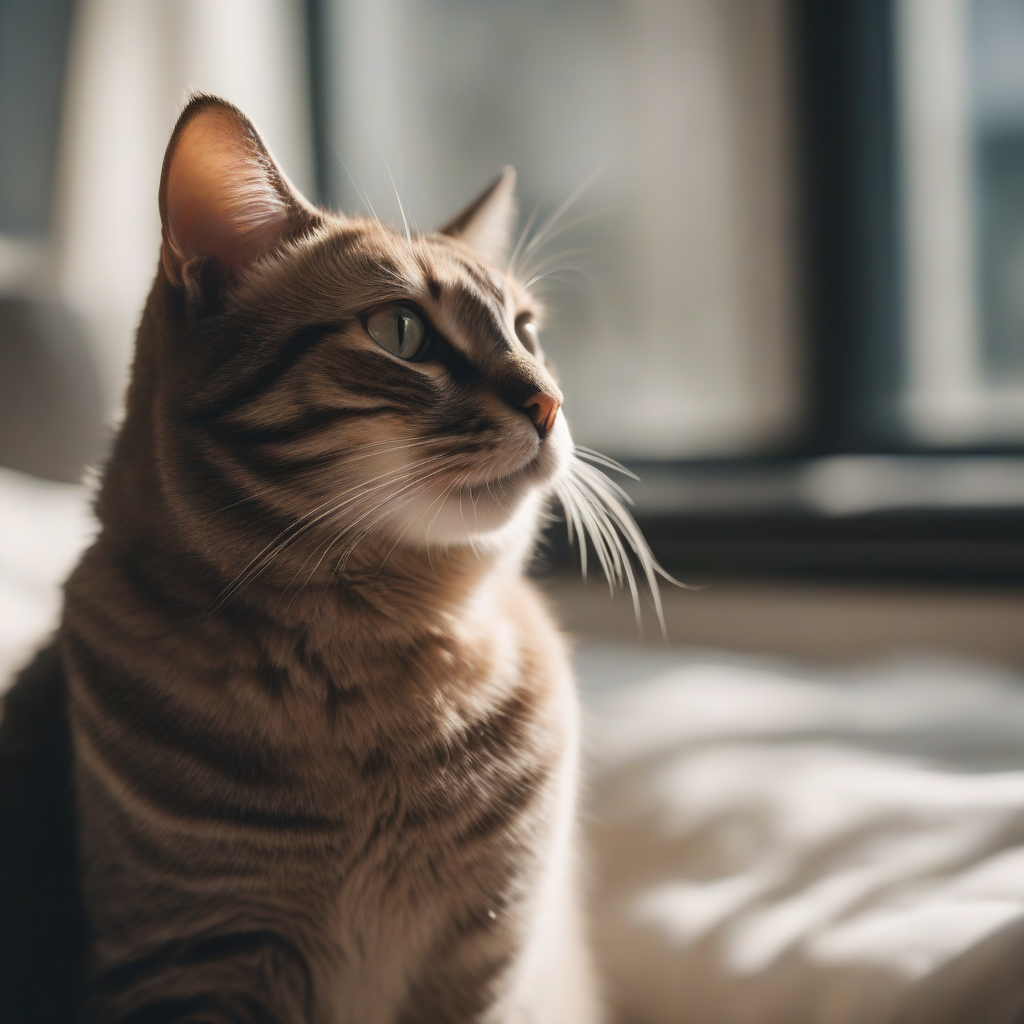
Cats often reveal their decision-making processes through subtle micro-expressions and body language signals that humans frequently miss. This goes beyond a simple meow or tail wag. Details such as their ears slightly turning back when approaching an object, the position of their whiskers (forward or backward movements), the size of their pupils, or the slight retraction of their claws, all indicate your cat's next step – their decision. For example, a sudden dilation of pupils while focusing on a toy might signal that they've entered hunting mode and decided to 'strike.' Carefully observing these instantaneous, conscious or subconscious reactions is the first and most critical step to understanding what your cat feels and what they have decided to do. These micro-expressions offer invaluable clues revealing your cat's immediate state and their upcoming behavioral decision.
Read Your Cat's Facial Expressions
Subtle details like the slight turn of the ears, whisker movements, and pupil size reveal your cat's decision moments.
The Meaning of Tail and Ear Positions
More apparent body language cues, such as tail uprightness or ears flattened back, indicate how your cat makes decisions in interactions with its environment or with you.
2. The Role of Environmental Stimulation: The Secret Power of Space Selection and Routines
Cats are significantly influenced by their environment in their decision-making processes. The decision to climb to safe, high places arises when they feel threatened or simply out of a desire to survey their surroundings. This reflects their inherent need for security and their quest for territorial dominance. Similarly, daily routines (feeding times, playtime, sleep schedule) play a central role in your cat's decision-making mechanism. Your cat plans its day according to routines, and any disruption can directly impact its subsequent decisions (e.g., anxious meows or undesirable behaviors). The new trend understood in March 2026 reveals how conscious cats are about environmental design; climbing trees, window perches, or hidden hiding spots are integral to their daily decision-making practice. Their decisions about when and how to use these areas form the foundation of their inner compass.
Creating Safe Spaces
High places or hiding spots where your cat feels secure and can use strategically enhance its decision-making ability.
The Place of Routines in Your Cat's Decisions
Routines like specific feeding or play times influence your cat's daily decisions and provide them with a sense of predictability.
3. Understanding the Hunter Instinct: Decisions in Play and Feeding Preferences
Hunting, one of cats' most fundamental instincts, is also at the heart of their decision-making processes. Decisions such as what strategy to adopt against a toy, when to stalk, and when to pounce, stem entirely from their hunter identity. Food puzzles or interactive toys stimulate these instinctive decision-making abilities. Your cat makes conscious decisions about which food to choose, which route to take, or how to overcome an obstacle. This process is not just a physical activity but also a mental challenge. March 2026's discovery in this area indicates that your cat needs satisfying hunting simulations, not just physically but mentally, and such activities sharpen their decision-making skills.
The Power of Hunt Simulation Games
Moving toys or laser pointers trigger your cat's hunting and strategy development decisions.
Food Puzzles and Preferences
The way your cat solves food puzzles reveals its problem-solving abilities and its decisions regarding feeding preferences.
4. Social Interaction and Boundaries: The Balance of Independence and Attachment
Cats make highly conscious decisions in social interactions. They decide when to approach you, when to prefer solitude, and with whom (human or other pet) to interact. This is a reflection of their quest for autonomy and their need for personal space. A cat's decision to rub against you or purr generally indicates a desire to bond, while hissing or retreating expresses a decision to set boundaries. Understanding your cat's social decision-making mechanisms reveals how it establishes the delicate balance between independence and attachment. March 2026 emphasizes the need for greater respect for cats' complex decision-making processes in social interactions.
Your Cat's Need for Social Space
Consciously chosen remote corners or the desire for solitude are part of the decisions it makes in social interactions.
Relationships with You and Other Pets
Your cat's decisions to rub, play, or avoid interaction with you or other pets are a reflection of its social instincts.
5. The Language of Sounds: Communicative Decisions Beyond Meows
Meows, purrs, hisses, and even growls are key communication tools through which cats express their inner decisions. The tone, duration, and intensity of each sound reflect your cat's immediate need or decision. For example, a deep, persistent meow may indicate a decision to ask for food, while a short, sharp meow may express a decision to seek attention. Your cat makes conscious decisions about which sound to use, when, and how, in interaction with you or its environment. The March 2026 trend emphasizes that these sounds are not just reactions, but strategic decisions made by the cat to achieve a goal. Understanding their "communicative decision-making" processes enables you to respond to their needs more quickly and accurately.
Various Meow Tones and Their Meanings
The intonation and rhythm of your cat's meows carry clues about what it wants or what it has decided.
Purring and Hissing Decisions
Purring is a decision of relaxation or affection, while hissing is a decision of self-preservation or a warning against a threat.
6. The World of Scent and Markings: The Foundation of Conscious Decisions
Cats' sense of smell is far more developed than humans', and it plays a vital role in their decisions about their environment. The decision to sniff, rub, or scratch an object stems entirely from the need to gather information through scent and to leave their own scent. Cats perceive their home as a scent map, and this map influences their decisions about where they are safe, where they can hunt, or where they can rest. Pheromones are one of the most important elements of this scent world; your cat may decide to release pheromones, especially when adapting to a new situation or seeking to calm itself. Developments in this area in March 2026 show that understanding your cat's scent world directly impacts its environmental decisions and overall well-being.
Your Cat's Scent Map
Your cat uses scent markings around the house to decide where it is safe and where it needs to move.
The Role of Pheromones
The decision to release pheromones during stressful moments or in new environments is part of your cat's self-comforting mechanism.
7. Individual Differences: Every Cat Is Unique and Has Its Own Compass
Every cat has a unique character, temperament, and past experiences. These individual differences directly influence how their inner compass operates. One cat might be adventurous and decide to explore every new object, while another might be more timid and prefer to stay in a safe zone. Age, health status, and previous traumatic experiences also play significant roles in your cat's decision-making processes. For example, an older cat might tend to make less risky decisions than a younger one. In March 2026, cat owners are becoming more aware of recognizing these individual differences and respecting each cat's inner compass. Understanding your cat's unique personality is the final step in decoding its decision-making mechanisms and providing it with the most suitable living environment.
Decoding your cat's "inner compass" will elevate the quality of your relationship with them to an entirely new level. In March 2026, reaching this awareness means acknowledging that cats are not merely cute companions, but individuals with deep instincts, complex thought processes, and a strong pursuit of autonomy. By applying these 7 smart methods, you will better understand your furry friend's world, helping you make decisions that prioritize their well-being and happiness. Remember, allowing your cat the freedom to make its own decisions is, in fact, the most beautiful expression of your love and respect for them.