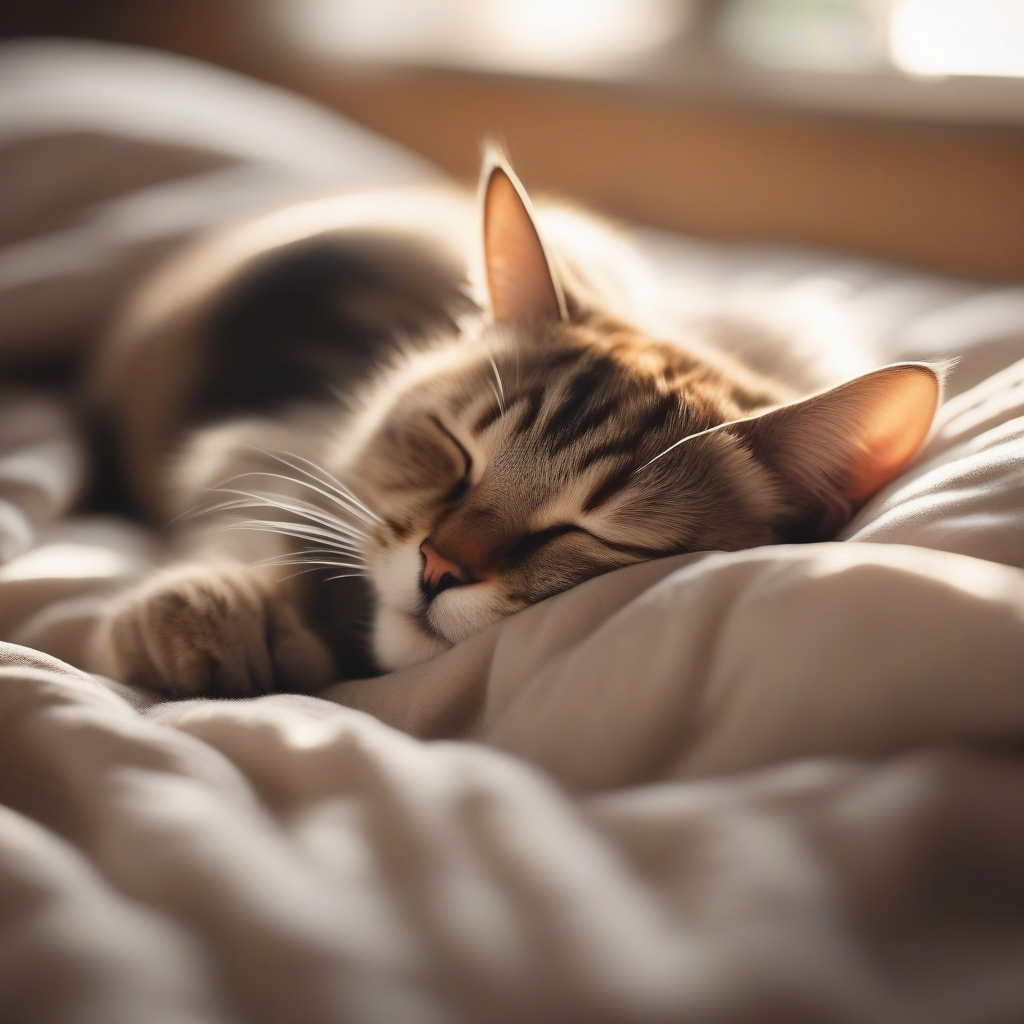
March 2026's Viral Secret: Decode Your Cat's Mysterious Sleep Cycle! 7 Scientific Secrets for Deeper Rest!
Cats have captivated us for centuries with their unique sleep habits. Spending a significant portion of their day sleeping doesn't mean they're lazy; on the contrary, it's a reflection of their distinct biology and innate predatory instincts. As we enter March 2026, we're focusing on ways to decode the scientific secrets of your cat's sleep cycle, helping your furry friend achieve deeper and higher-quality rest. This viral trend highlights just how critical sleep optimization is for your cat's overall health and happiness. With these 7 smart methods, you'll step into your cat's mysterious sleep world and elevate their rest quality to its peak!
Your Cat's Sleep Architecture: Why Do They Sleep So Much?
Cats typically spend an average of 12 to 16 hours a day sleeping. This can vary depending on their age, health, and lifestyle. This extensive sleep is due to their "polyphasic" sleep structure; meaning, unlike humans who have one long sleep period, cats experience multiple short sleep periods throughout the day. This adaptive sleep pattern is an inheritance from their wild ancestors, allowing them to be ready to hunt or escape at any moment.
Understanding Polyphasic Sleep
Polyphasic sleep helps cats maintain balanced energy levels. Short naps provide quick energy replenishment, while longer periods of deep sleep support mental and physical recovery. Seeing your cat frequently dozing off is a natural part of their behavior and not a cause for concern; rather, it indicates they have a healthy biological rhythm.
The Science of Deep and Light Sleep: REM and NREM Stages
Like humans, cats' sleep cycles consist of REM (Rapid Eye Movement) and NREM (Non-Rapid Eye Movement) stages. NREM includes lighter sleep phases, while REM sleep is the stage where dreams occur, and the brain is most active. Your cat's twitching, whisker tremors, or soft meows often indicate they are in REM sleep and dreaming.
Dreaming Cats: The Mystery of REM Sleep
REM sleep is vital for cats' learning, memory consolidation, and emotional processing. During this stage, they process information acquired during the day, strengthen muscle memory, and relieve stress. Ensuring they experience undisturbed REM sleep is a critical factor for their mental health.
Perfecting the Sleep Environment: Designing for Quality Rest
The quality of your cat's sleeping environment directly impacts their sleep quality. An ideal sleep area should make your cat feel safe, warm, and comfortable. Offering multiple sleeping spots allows your cat to choose according to their different moods and needs.
Creating Safe and Quiet Spaces
Cats love to sleep in high places where they feel secure, or in secluded, enclosed areas away from prying eyes. Soft blankets, warm beds, and sunlit spots can be their preferred sleeping areas. Corners free from household noise and excessive activity are ideal for deep rest.
The Magic of Daily Routine: Rhythms That Boost Sleep Quality
Cats are creatures of routine, and a consistent schedule helps stabilize their biological clocks. Regular feeding, play, and rest times regulate your cat's sleep cycle and contribute to a higher quality of sleep.
The Impact of Fixed Feeding and Play Times
Feeding at specific times in the morning and evening regulates your cat's digestive system and prevents them from waking up due to hunger at night. Similarly, interactive play sessions before bedtime help your cat expend energy and then fall into a deep sleep more easily.
The Role of Activity and Mental Stimulation: Beyond Tiredness to Vitality
Sufficient physical activity and mental stimulation not only keep your cat happy when awake but also improve their sleep quality. A bored or insufficiently active cat may be restless during the night or have difficulty falling asleep.
Satisfying the Hunter Instinct
Feather toys, laser pointers (when used correctly), and puzzle feeders satisfy your cat's predatory instincts, creating physical and mental fatigue. This helps them sleep deeper and more continuously throughout the night.
The Effect of Nutrition and Hydration on Sleep: Health from the Inside Out
Your cat's diet and water intake directly impact their sleep quality. A balanced and nutritious diet supports all bodily functions, optimizing energy levels and sleep patterns. Insufficient hydration or an unhealthy diet can lead to restlessness and sleep problems.
The Right Diet, Quality Sleep
Choosing a high-quality food rich in proteins, essential vitamins, and minerals helps your cat maintain stable blood sugar levels throughout the night. Consistent access to fresh water prevents dehydration and is crucial for overall health.
Sleep Disorders and When to Act
Sudden or significant changes in a cat's sleep habits can be a sign of an underlying health issue. Symptoms such as excessive napping, insomnia, nocturnal restlessness, difficulty breathing during sleep, or persistent meowing should be carefully observed.
Recognizing Symptoms and Seeking Professional Help
If you notice a significant change in your cat's sleep pattern or observe any of the above symptoms, it is important to consult a veterinarian. A veterinarian can diagnose potential health problems and recommend appropriate treatment or lifestyle changes to help your cat achieve a healthier sleep pattern. Remember, your cat's quality sleep is a fundamental requirement for a long and happy life.