A-Z Cat Breeds: Crimean Cat – The Hidden Graceful Hunter of the Black Sea
The world of cats hosts many unique breeds that carry characteristics specific to their geographies. One of the rare and fascinating examples of this diversity is the Crimean Cat, named after the Pearl of the Black Sea, the Crimean Peninsula. Although not yet fully recognized by international cat associations, this cat has existed in the natural environment of Crimea for centuries and is a living part of the region's unique ecosystem and history. Let's get to know the Crimean Cat, which has adapted to the harsh climate of the Black Sea and stands out with its elegance and resilience.
Origin and History of the Crimean Cat
As its name suggests, the Crimean Cat is a natural cat breed indigenous to the Crimean Peninsula. The region's geographical isolation and historical processes have ensured that the genetic structure of these cats has remained largely undisturbed. Living in the mountainous and forested areas of Crimea, as well as along the coastlines, these cats have coexisted with human settlements in the region for thousands of years. They have always been valued by the local population for their role in controlling rodents and pests. This breed, a product of natural selection, has perfectly adapted to the climatic conditions of the region.
While there are not many written records about the exact origins of the Crimean Cat, genetic analyses suggest that these cats are closely related to other local cat populations in the region. It is believed that Crimea, which has hosted different civilizations throughout history, played a significant role in the evolution of these cats. These felines have survived and continued their lineage, particularly in local farms and villages, thanks to their natural hunting abilities.
Physical Characteristics
The Crimean Cat is a medium-sized cat with an athletic and muscular build. They possess a strong physique, reflecting their ability to survive in the wild nature of the region. Their average weight ranges between 4 and 6 kilograms, and they have a robust bone structure.
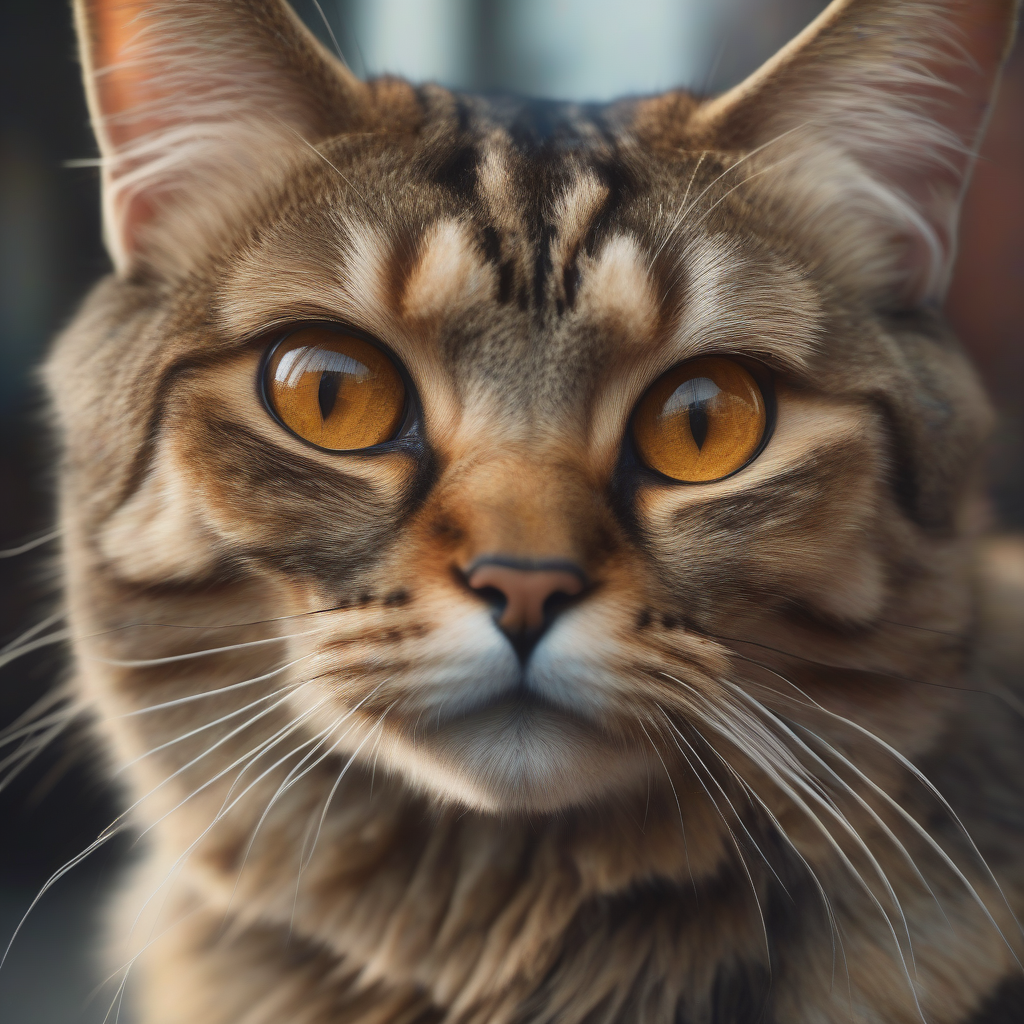
- Coat: Their coat is dense and double-layered, resilient to Crimea's variable climate. It thickens in winter to protect them from the cold and becomes thinner in summer. While mostly tabby patterned, different color and pattern combinations can also be seen. The most common colors are brown, grey, and black tones. The fur is usually short to medium in length and feels soft to the touch.
- Eyes: Their eyes are generally large and almond-shaped. Their color is mostly green, yellow, or copper tones, with amber sometimes observed. They have alert and intelligent gazes.
- Ears: Their ears are medium-sized, slightly pointed at the tips, and set relatively close together. They are positioned to support their excellent hearing abilities.
- Body: They have a flexible and well-balanced body structure. They possess strong hind legs that enhance their hunting skills and a nimble posture.
- Tail: Their tail is medium in length and tapers slightly towards the tip. It usually has a color and pattern harmonious with their coat.
Character and Behavioral Traits
Having adapted to survival in a natural environment, the Crimean Cat possesses strong instincts and an independent nature. However, with proper socialization, they can easily adapt to a home environment and become loving companions.
- Intelligence and Curiosity: They are extremely intelligent and curious cats. They enjoy exploring their surroundings and learning new things. Puzzle toys and interactive play will help stimulate them mentally.
- Independence: They have a more independent nature compared to other cat breeds. While they enjoy spending time with their owners, they also need time to themselves. This trait can make them ideal for working cat owners.
- Loyalty: They can be quite loyal and affectionate towards people they trust. They tend to form a deeper bond with one person but also get along well with family members.
- Playfulness: They are very playful cats from a young age. With strong hunting instincts, they love games like chasing balls and feather toys. Regular playtime will help them expend energy and stay happy.
- Sociability: They might be a bit reserved with strangers initially, but they become quite friendly once they get used to them. They can get along well with other pets and children, though individual character differences can always occur.
Care of the Crimean Cat
The Crimean Cat, being a natural and resilient breed, is generally easy to care for. However, meeting their basic needs is essential for them to live a healthy and happy life.
- Coat Care: Due to their dense coat, brushing them 2-3 times a week helps control shedding and prevent matting. Shedding may increase during seasonal changes.
- Nutrition: Feeding them high-quality cat food will meet their energy needs and ensure a healthy life. Portion control should be observed to prevent weight gain.
- Veterinary Check-ups: Regular vet visits, vaccinations, and parasite controls are vital for their overall health. While Crimean Cats are generally robust, regular check-ups are important for any potential genetic predispositions or age-related diseases.
- Exercise: Being active and energetic cats, they require regular exercise. Indoor climbing structures, toys, and interactive games can help them expend energy. A safe garden where they can go outside or walks on a leash would be very beneficial for them.
- Hygiene: Ear and eye cleaning should be done regularly, and dental health should be paid attention to. Nail trimming should also be done when needed.
The Crimean Cat is a uniquely beautiful and characterful cat breed, shaped by the rugged geography of the Black Sea. With its independent spirit, intelligence, and loyalty to its owners, it can make a wonderful companion in the right family. If you are sharing your life with a rare and natural cat breed, the Crimean Cat might be the perfect choice for you.