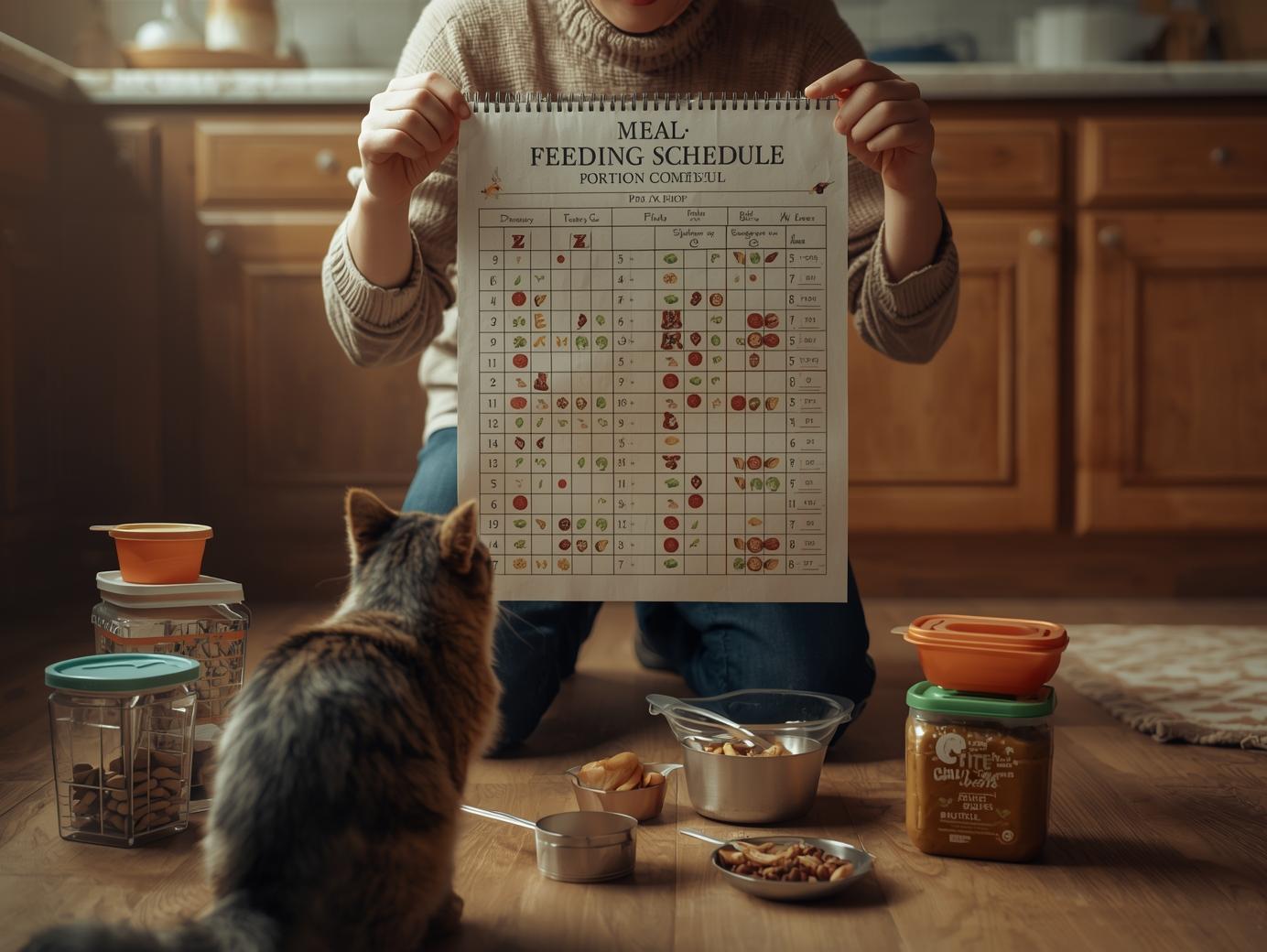
Creating a Home Feeding Program for Cats
Establishing a regular and balanced feeding program is very important for your cat to be healthy, energetic, and long-lived. A correct program ensures weight control, prevents digestive problems, and improves general health status.
Things to Consider When Preparing a Feeding Program
- Age, weight, and health status: Nutritional needs of kitten, adult, and elderly cats are different. Special foods should be preferred for neutered cats or cats with chronic diseases.
- Food selection: Choose foods that are of high quality, have a high protein ratio, and have few additives. Take your veterinarian's recommendations into account.
- Meal times and portion control: Feed in 2-3 meals a day, at fixed times and with measured portions. Free feeding (leaving the bowl full constantly) can lead to obesity.
- Water consumption: Cats generally drink little water. Refresh the water bowl every day, use a fountain-type water fountain if necessary.
Practical Tips
- Keep food and water bowls clean, wash them at least once a week.
- Develop your cat's palate by alternately using dry and wet food.
- Perform a gradual transition in food change.
> Remember: Regular and balanced nutrition is necessary for both your cat's physical and spiritual health. Plan the feeding program together with your veterinarian.