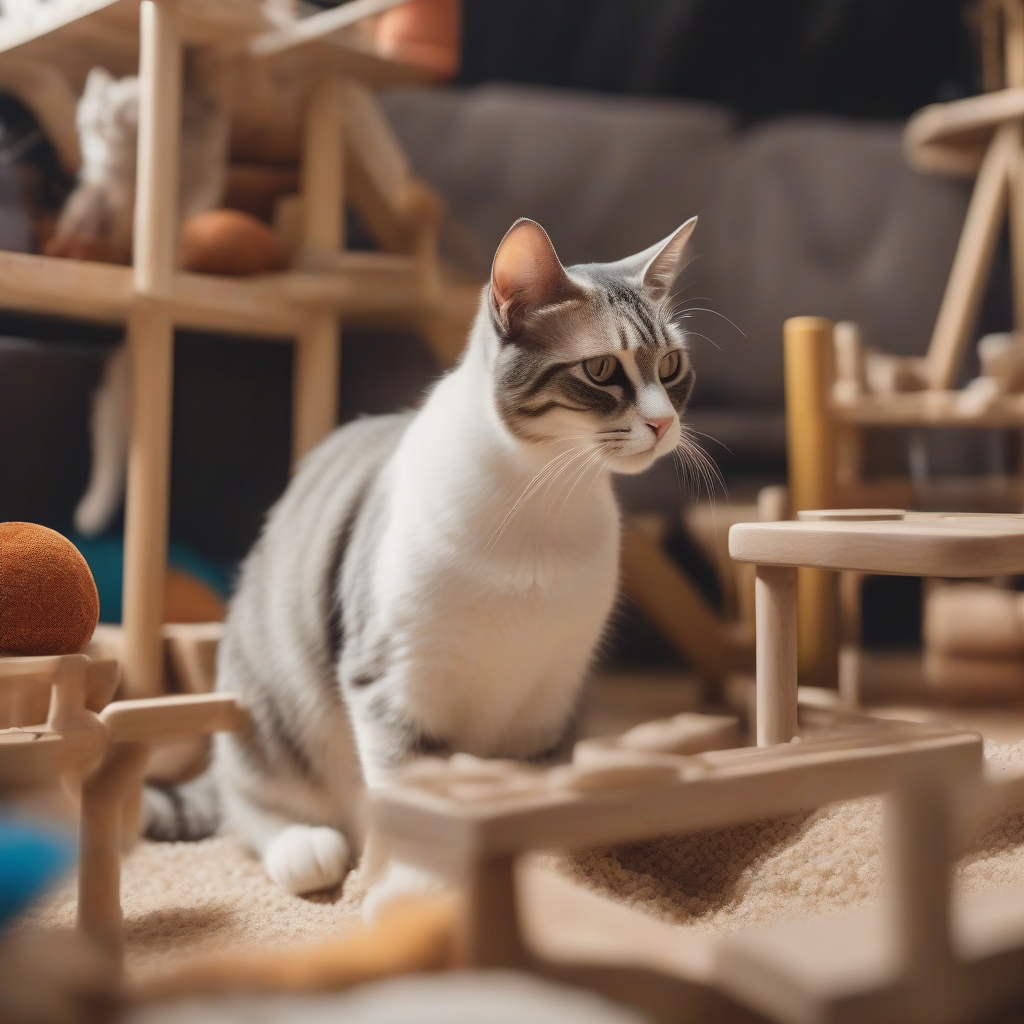
March 2026 Viral Trend: Your Cat's 'Super Sensory' Play Area Revolution!
March 2026 is seeing an exciting trend emerge in the pet world: 'super sensory' play areas for cats! We now understand that our feline friends need to be stimulated not just physically, but also sensorially. This innovative approach supports your cat's cognitive development while reducing stress and improving overall well-being. With this revolutionary trend, we'll explore ways to transform your home into a true paradise for your cat.
Why are 'Super Sensory' Play Areas So Important?
Cats, by nature, are inclined to explore and hunt. However, modern living conditions can prevent them from fully satisfying these instincts. 'Super sensory' play areas are designed to bridge this gap. By using different textures, scents, sounds, and visual stimuli, they pique your cat's curiosity and keep them active. This is vital, especially for cats living indoors.
1. Tactile Richness: Surfaces to Explore
The sense of touch is extremely important for cats. Floors made of different materials, climbing surfaces, and resting areas stimulate this sense. For tactilely rich play areas, you can try these ideas:
- Natural Materials: Natural materials like wood, wicker, and jute rugs are both aesthetically pleasing and sensorially appealing to cats.
- Varied Textures: Combine different textures such as velvet, plush, hard plastic, or rough surfaces. This offers a variety of sensations to your cat's paws.
- Climbing and Scratching Areas: Climbing panels at different angles and heights, along with scratching posts made from various materials (cardboard, sisal, wood), provide both physical and sensory satisfaction.
2. Scent Explorations: An Adventure Following Their Noses
Scent plays a central role in how cats perceive the world. Adding different and safe scents to play areas provides mental stimulation.
- Natural Herbs: Place cat-safe and attractive-smelling herbs like catnip, valerian, or chamomile near the play area.
- Special Scent Balls: Small, washable balls filled with catnip or other safe essences engage your cat's sense of smell.
- Sensory Bottles: Bottles with small holes containing different natural materials (dried leaves, small twigs) offer hidden surprises for your cat to sniff.
3. Auditory Stimulation: Gentle Melodies and Natural Sounds
Cats have a much more developed sense of hearing than humans. Soft sounds added to play areas can capture their attention and help them relax.
- Nature Sound Recordings: Short sound recordings of nature sounds like birds chirping, gentle water flow, or wind can pique your cat's interest.
- Quiet Toys: Toys with a subtle bell or rattle, but not irritating, encourage interactive play.
- Vibrating Toys (Use with Caution): Toys emitting very light and safe vibrations can offer an interesting sensory experience for some cats. However, use such toys while observing your cat's reaction.
4. Visual Richness: Light Play and Moving Elements
Cats have a natural interest in moving objects. A visually enriched space triggers their hunting instincts.
- Light Projectors: Moving light dots or shapes projected onto walls or the floor will encourage your cat to chase.
- Rotating Toys: Slowly rotating or gently swaying toys can keep your cat's attention engaged for a long time.
- Colorful and Patterned Objects: Cushions, tunnels, or toys in different colors and patterns offer visual variety.
5. High Observation Points: Surveying Their Kingdom
Cats love to observe their surroundings from high places. Elevated platforms, tunnels, and observation points integrated into the play area make them feel secure.
- Multi-Level Cat Trees: Cat trees offering resting and climbing areas at different levels create a space for your cat to explore both physically and visually.
- Wall Shelves and Bridges: Shelves or bridges mounted on walls offer your cat a vertical play area and allow them to discover different routes within the house.
6. Water Play (For Some Cats): The Magic of Liquids
While not all cats enjoy water, some are fascinated by the movement and sound of running water. Water play can be incorporated carefully and safely.
- Cat Fountains: Continuously flowing and filtered water attracts cats and encourages them to drink more. These fountains can be part of the play area.
- Floating Toys: Small, waterproof, and safe floating toys can enhance your cat's interaction with water.
7. Food and Treat Hiding Spots: Brain-Teasing Hunting Experience
Turning your cat's feeding routine into a game provides mental stimulation and satisfies their natural hunting instincts.
- Food Puzzles: Smart food puzzles where kibble or treats are placed, requiring your cat to use their paws to retrieve the food.
- Hidden Storage Spots: Place small boxes or tubes in different parts of the play area where a few kibbles can be hidden.
Safety First!
Remember, the most important thing when designing a 'super sensory' play area for your cat is safety. Ensure all materials you use are non-toxic, have no sharp edges, and do not contain small parts that your cat could swallow. Regularly inspect toys and the play area to eliminate potential hazards.
In March 2026, the most innovative way to show your love for your cat is to enrich its sensory world. With these 7 smart design ideas, you can create not just a play area, but an adventure course for your feline friend. Embrace this trend for your cat's happiness and health, and enjoy the joy of exploration together!